

The Enduring Allure of Wood in Communication
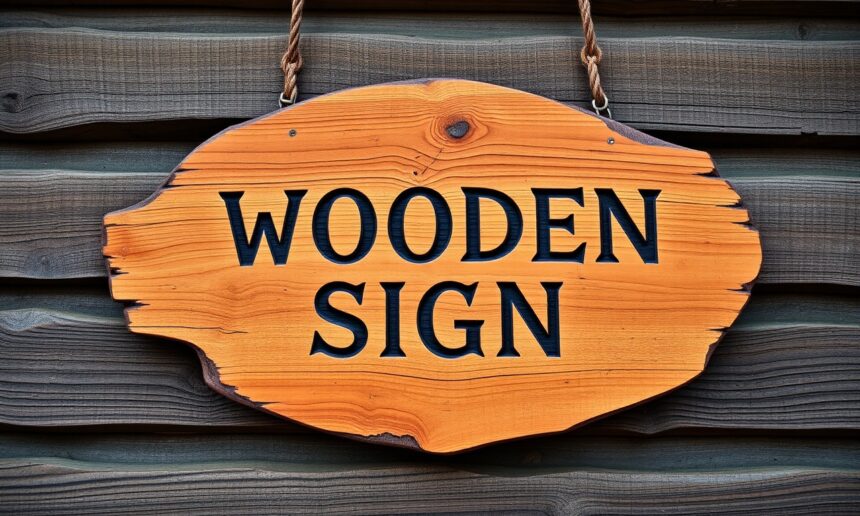
Wooden Sign. The very phrase conjures images of rustic charm, timeless appeal, and a sense of grounded authenticity. In an era saturated with ephemeral digital notifications and fleeting trends, the humble wooden sign stands as a steadfast testament to enduring communication. It’s a medium that transcends fleeting fads, resonating with a primal connection to nature and craftsmanship. Think of the welcoming sign outside a beloved local bakery, its weathered wood whispering stories of generations of baking, or the sturdy directional sign in a national park, guiding adventurers with unwavering reliability. These aren’t just markers; they are statements. They possess an inherent gravitas, a tangible presence that digital displays simply cannot replicate.
- The Enduring Allure of Wood in Communication
- A Legacy Carved in Timber: Historical Context and Evolution
- The Psychology of Wood: Why We Trust What We See
- Versatile Applications: Where Wooden Signs Shine
- Home and Garden Personalization
- Business Branding and Wayfinding
- Event Decor and Personal Milestones
- Educational and Informational Displays
- Craftsmanship and Customization: Tailoring Your Wooden Sign
- Navigating Challenges: Considerations for Wooden Signs
- Frequently Asked Questions
- What is the best type of wood for outdoor signs?
- How long do wooden signs typically last?
- Can wooden signs be customized with logos and intricate designs?
- What is the best way to clean and maintain a wooden sign?
- Are wooden signs eco-friendly?
- Final Recommendations: Embracing the Enduring Power of Wooden Signs
Wikipedia: Contents — Wikipedia
This inherent reliability stems from a confluence of aesthetic appeal, material resilience, and psychological resonance, making wooden signs a consistently powerful tool for creating lasting impressions.
Wooden signs offer a unique blend of natural beauty and enduring substance, making them an unparalleled medium for creating memorable and authentic communication.
This article explores the multifaceted reasons why wooden signs continue to captivate and serve as a remarkably effective communication tool. We will examine their historical significance, the psychological impact of their material, the diverse applications that highlight their versatility, and the practical considerations that underscore their reliability. Understanding these elements reveals why, despite technological advancements, the simple wooden sign remains a potent force in capturing attention and conveying meaning that resonates deeply.
A Legacy Carved in Timber: Historical Context and Evolution
The use of wood for signage is as old as civilization itself. Long before the advent of printing presses or digital screens, early humans etched messages onto wooden surfaces, utilizing readily available natural materials to convey information, warnings, and declarations. From ancient Roman waymarkers to medieval guild signs, wood served as the primary canvas for public and private communication. These early signs were not merely functional; they were often works of art, reflecting the skill of the carver and the character of the community. The inherent beauty of the wood grain, coupled with the deliberate craftsmanship, imbues these historical artifacts with a narrative depth that speaks volumes about their origins and purpose.
The evolution of wooden signage has mirrored broader societal and technological shifts. While intricate hand-carving was once the norm, advancements in woodworking technology, such as laser engraving and CNC routing, have expanded the possibilities for design and customization. Yet, even with these modern techniques, the fundamental appeal of wood remains. This enduring appeal is not accidental; it taps into a deep-seated human appreciation for natural materials and skilled artistry. Research suggests that exposure to natural materials like wood can reduce stress and improve cognitive function, indicating a subconscious positive association that translates to how we perceive signs made from them. This inherent psychological benefit contributes significantly to their effectiveness.
The historical trajectory of wooden signs demonstrates their adaptability. They have transitioned from essential tools of early communication to cherished elements of branding and personal expression. This journey underscores their fundamental strength: their ability to connect with audiences on a visceral, authentic level, a quality that remains as relevant today as it was centuries ago.
The Psychology of Wood: Why We Trust What We See
The materials we interact with profoundly influence our perceptions, and wood is no exception. Its tactile qualities, visual warmth, and association with nature evoke a sense of comfort, stability, and trustworthiness. Unlike the often sterile and impersonal feel of plastic or metal, wood possesses an organic character that feels more approachable and genuine. This inherent warmth can make a wooden sign feel more inviting and less intrusive, encouraging engagement rather than demanding it.
Research in environmental psychology has consistently shown that natural elements in our surroundings can foster positive emotional responses. Studies highlight that visual exposure to wood in indoor environments can lead to reduced blood pressure and heart rate, indicating a calming effect. This suggests that even the visual presence of wood, as in a sign, can subconsciously create a more positive and receptive mindset in viewers. Consequently, messages conveyed via wooden signs may be perceived as more credible and warmly received.
The natural texture and visual warmth of wood foster a subconscious sense of trust and authenticity, making messages displayed on wooden signs inherently more impactful.
Consider the difference in perception between a digitally printed vinyl banner and a hand-crafted wooden sign for a local artisan market. The vinyl banner might be bright and eye-catching, but it can also feel temporary and mass-produced. The wooden sign, on the other hand, with its visible grain and artisanal feel, immediately communicates dedication, quality, and a personal touch. This psychological advantage is crucial for businesses and individuals aiming to cultivate a specific brand image that values craftsmanship, tradition, or a connection to the natural world. The material itself becomes a silent, yet powerful, communicator of these values.
Material Resilience and Durability
Beyond aesthetics and psychology, the inherent physical properties of wood contribute significantly to the reliability of wooden signs. When properly treated and maintained, wood is an exceptionally durable material, capable of withstanding the elements for years, even decades. Its resistance to temperature fluctuations and UV radiation, when compared to some synthetic materials, ensures longevity. This makes wooden signs a cost-effective long-term investment, as they require less frequent replacement than their less robust counterparts.
Different types of wood offer varying degrees of durability. Hardwoods like oak, maple, and cherry are known for their density and resistance to decay, making them ideal for outdoor applications. Softer woods, like pine or cedar, while perhaps more easily worked, can also be treated to achieve excellent longevity. The choice of wood, combined with appropriate sealing and finishing techniques, ensures that a wooden sign can maintain its integrity and visual appeal through sun, rain, and wind. This resilience means the message remains visible and impactful, fulfilling its communicative purpose over an extended period.
Versatile Applications: Where Wooden Signs Shine
The adaptability of wooden signs is a key factor in their enduring popularity. Their aesthetic appeal and tangible presence make them suitable for an incredibly diverse range of applications, from personal touches to large-scale commercial ventures.
Home and Garden Personalization
For homeowners, wooden signs offer a charming way to personalize their living spaces. They can be used to:
- Welcome guests with custom-made “Welcome” signs, house numbers, or family name plaques.
- Designate areas in the garden with signs for vegetable patches, flower beds, or specific trees.
- Add decorative flair to patios, fences, or pergolas with quotes, artistic carvings, or seasonal messages.
- Create unique gifts for weddings, anniversaries, or housewarmings.
The ability to customize wooden signs with specific fonts, colors, and designs allows homeowners to reflect their individual style and personality, turning a simple sign into a meaningful piece of decor.
Business Branding and Wayfinding
For businesses, wooden signs convey a sense of established presence and quality. They are particularly effective for:
- Retail storefronts seeking a rustic, artisanal, or eco-friendly image. Boutique shops, cafes, and craft stores often benefit from this aesthetic.
- Restaurants and pubs aiming for a warm, inviting, and traditional atmosphere.
- Corporate campuses or parks for clear, aesthetically pleasing wayfinding and identification.
- Event signage for weddings, festivals, or farmers’ markets, adding a touch of natural elegance.
The tactile nature of a wooden sign can make a business stand out in a crowded marketplace, offering a memorable and distinctive brand experience. Research indicates that physical store aesthetics can significantly influence consumer perception of product quality and brand value, and a well-crafted wooden sign is a powerful component of this aesthetic.
Event Decor and Personal Milestones
Wooden signs are increasingly popular for special events, adding a personalized and memorable touch to significant life moments. They are frequently used for:
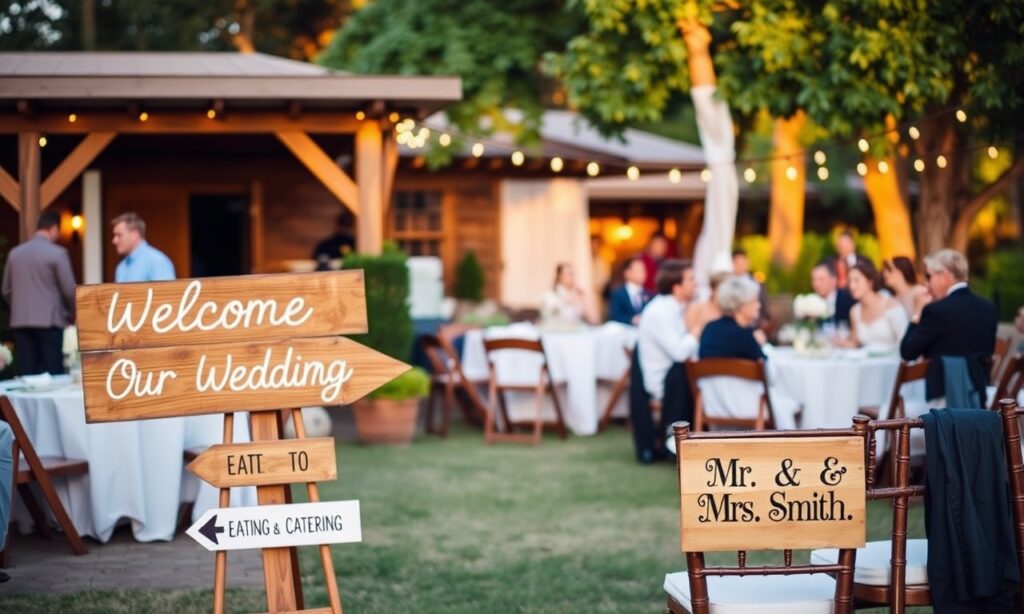
- Weddings: Directional signs to the ceremony or reception, seating charts, welcome messages, and personalized Mr. & Mrs. signs.
- Parties and Celebrations: Birthday signs, anniversary markers, and themed decorations that enhance the festive atmosphere.
- Baby Showers and Gender Reveals: Custom signs that announce the upcoming arrival or reveal the baby’s gender.
The ability to engrave or paint personal details onto wood makes these signs cherished keepsakes long after the event has passed.
Educational and Informational Displays
In outdoor settings like parks, nature centers, and historical sites, wooden signs serve as durable and informative displays. They can be used for:
- Trail markers and maps that blend seamlessly with the natural environment.
- Interpretive panels detailing local flora, fauna, or historical significance.
- Boundary markers and property identification that are both functional and aesthetically pleasing.
The natural character of wood makes these informational signs feel more integrated and less jarring in natural settings compared to plastic or metal alternatives.
Craftsmanship and Customization: Tailoring Your Wooden Sign
The true magic of a wooden sign often lies in the craftsmanship and the infinite possibilities for customization. The process of creating a wooden sign can range from simple DIY projects to elaborate, professionally designed pieces. This spectrum of creation allows for a sign to be perfectly tailored to its intended purpose, audience, and aesthetic.
Design and Material Choices
The initial design phase is crucial. It involves selecting the appropriate wood type, considering its grain, color, and natural durability. Factors such as the intended location (indoor vs. outdoor), exposure to the elements, and desired aesthetic all play a role. For instance, a sign intended for a coastal environment might benefit from a naturally rot-resistant wood like cedar, while an indoor sign might prioritize the rich grain of walnut.
The lettering style is another critical element. Options range from:
- Hand-painted letters: Offering a classic, artisanal look with unique brushstrokes.
- Carved letters: Providing depth and a tactile, three-dimensional effect.
- Engraved letters: Achieved through methods like laser engraving or CNC routing, offering precision and intricate detail.
- Applied letters: Such as metal or acrylic letters affixed to a wooden background for contrast.
The choice of font, size, and layout significantly impacts the sign’s readability and overall impact.
Finishing and Protection
Once the design and lettering are established, the finishing process is vital for both aesthetics and longevity. This typically involves:
- Sanding: To create a smooth surface and prepare the wood for finishing.
- Staining or Painting: To achieve the desired color and enhance the wood grain. Stains penetrate the wood, revealing its natural patterns, while paints provide a solid color.
- Sealing: Applying a protective topcoat, such as varnish, polyurethane, or specialized exterior sealants, to shield the wood from moisture, UV rays, and general wear and tear. For outdoor signs, multiple coats of a high-quality sealant are essential.
The right finish not only protects the wood but also amplifies its natural beauty, ensuring the sign remains vibrant and legible for years to come.
Navigating Challenges: Considerations for Wooden Signs
While wooden signs offer numerous advantages, it’s important to be aware of potential challenges and best practices to ensure their optimal performance and longevity. Understanding these aspects allows for informed decision-making and helps mitigate any drawbacks.
Environmental Factors and Maintenance
Wood is a natural material, and as such, it is susceptible to environmental factors like moisture, extreme temperatures, and UV radiation. Without proper treatment and maintenance, wooden signs can warp, crack, fade, or even rot over time.
- Moisture: Can lead to swelling, warping, and decay. Proper sealing is paramount, especially for outdoor signs. Regular inspection for any signs of water ingress is also advisable.
- UV Radiation: Prolonged exposure to sunlight can cause the wood to fade and the finish to degrade. Using finishes with UV inhibitors can help mitigate this.
- Temperature Fluctuations: Extreme heat and cold can cause the wood to expand and contract, potentially leading to cracks. Choosing stable wood types and ensuring proper acclimatization before installation can help.
Regular maintenance, including periodic cleaning, reapplication of protective sealants, and prompt repair of any damage, is crucial for preserving the appearance and structural integrity of wooden signs.
Pest Infestations
In certain climates, wooden signs can be vulnerable to insect infestations, such as termites or wood-boring beetles. While less common with treated hardwoods, it’s a consideration for long-term outdoor installations. Using pressure-treated wood or applying insect-repellent finishes can help prevent such issues. Regular inspection of the sign for any signs of pest activity is also a good preventative measure.
Installation and Placement
The method of installation and the chosen location significantly impact a wooden sign’s durability and visibility.
- Secure mounting: Ensure the sign is firmly attached to its support structure to prevent damage from wind or accidental impact.
- Proper elevation: For outdoor signs, elevating them slightly off the ground can prevent direct contact with moisture and soil, reducing the risk of rot.
- Consideration of sun exposure: Strategically placing signs to minimize prolonged, intense sun exposure can help preserve the finish.
By carefully considering these factors during the design, creation, and installation phases, the longevity and effectiveness of wooden signs can be maximized.
Frequently Asked Questions
What is the best type of wood for outdoor signs?
For outdoor signs, hardwoods like cedar, redwood, oak, and teak are generally considered superior due to their natural resistance to decay, insects, and weathering. Cedar and redwood are particularly valued for their natural oils that repel moisture and pests. Oak offers excellent durability and a classic look, while teak is exceptionally resistant to water and decay, though it is a more premium option. Properly treating any wood with exterior-grade sealants is crucial for maximizing its lifespan.
How long do wooden signs typically last?
The lifespan of a wooden sign can vary significantly depending on the type of wood used, the quality of craftsmanship, the protective finishes applied, and the environmental conditions it is exposed to. A well-maintained outdoor sign made from durable hardwood with high-quality exterior sealants can last anywhere from 10 to 20 years, or even longer. Indoor signs, being protected from the elements, can last indefinitely with minimal care.
Can wooden signs be customized with logos and intricate designs?
Absolutely. Modern woodworking technologies like laser engraving and CNC routing allow for highly detailed and intricate designs, including logos, custom fonts, and complex patterns, to be precisely etched into wooden surfaces. Hand-painting and carving also offer unique artistic possibilities for customization. The level of detail achievable depends on the chosen method and the skill of the craftsperson.
What is the best way to clean and maintain a wooden sign?
To clean a wooden sign, gently wipe it down with a soft, damp cloth. For more stubborn dirt, a mild soap solution can be used, followed by rinsing with a clean, damp cloth. Avoid abrasive cleaners or harsh chemicals that could damage the finish. Periodically, especially for outdoor signs, it is recommended to reapply a protective sealant or varnish to maintain its integrity and appearance. Inspect the sign regularly for any signs of wear, cracking, or moisture damage, and address these issues promptly.
Are wooden signs eco-friendly?
When sourced responsibly, wooden signs can be a very eco-friendly choice. Wood is a renewable resource, and using sustainably harvested timber ensures that forests are managed properly. Wood is also biodegradable, unlike many plastic or metal alternatives, which can contribute to landfill waste. The energy required to produce wood products is generally lower compared to manufacturing synthetic materials.
Final Recommendations: Embracing the Enduring Power of Wooden Signs
In a world constantly chasing the next technological innovation, the enduring appeal of the wooden sign serves as a powerful reminder that some of the most effective communication tools are rooted in tradition, nature, and genuine craftsmanship. Their ability to evoke trust, convey authenticity, and stand the test of time makes them an unparalleled choice for creating lasting impressions, whether for personal expression, business branding, or public information.
The inherent beauty of wood, coupled with its tactile warmth and psychological resonance, allows wooden signs to connect with audiences on a deeper level. They don’t just convey information; they tell a story, reflecting the values of quality, durability, and natural integrity. While modern technology offers rapid and diverse communication channels, the tangible presence and timeless charm of a well-crafted wooden sign offer a unique and powerful advantage in capturing attention and leaving a memorable mark.
Choosing a wooden sign is an investment in enduring quality and authentic communication. By understanding the material’s properties, appreciating the art of craftsmanship, and employing proper maintenance, you can harness the proven power of wood to create messages that resonate, endure, and truly make a lasting impression.
See also: Wooden Sign