

Shared Bedroom: A Symphony of Space, Or a Cacophony of Clutter?
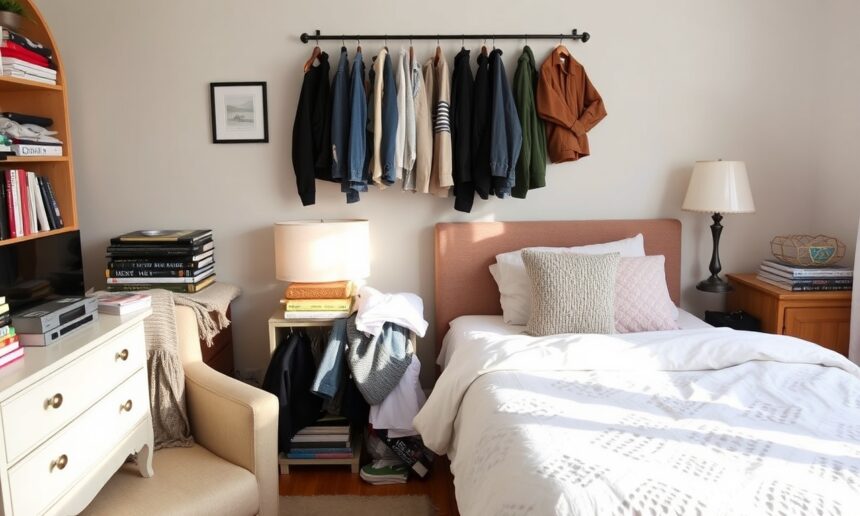
Picture this: The soft glow of morning light filters into a bedroom, but instead of serenity, you’re met with a visual assault. Clothes draped over chairs, books precariously stacked on nightstands, and a general sense of disarray that assaults the senses before the day has even truly begun. This isn’t just an aesthetic problem; for those sharing a bedroom, it’s a daily battleground where personal space and peace of mind are constantly under siege. The shared bedroom, whether for siblings, partners, or roommates, presents a unique organizational puzzle. It demands a delicate balance between individual needs and collective space, a feat that can feel insurmountable when faced with the relentless tide of everyday belongings.
- Shared Bedroom: A Symphony of Space, Or a Cacophony of Clutter?
- The Foundation: Communication and Compromise
- Strategic Decluttering: The Path to Serenity
- Smart Storage Solutions: Maximizing Every Inch
- Vertical Space is Your Ally
- Under-Bed Storage: The Hidden Gem
- Multi-Functional Furniture: The Space Saver’s Dream
- The Art of Personalization within a Shared Framework
- Maintaining Harmony: The Ongoing Process
- The Psychological Benefits of an Organized Shared Bedroom
- Key Insights & Takeaways
- Frequently Asked Questions
- How do I convince my roommate to get organized?
- What if we have very different organizational styles?
- How can I keep my shared bedroom organized when one person is messier than the other?
- What are the most effective storage solutions for small shared bedrooms?
- How often should we re-evaluate our shared bedroom organization system?
- Final Recommendations
Wikipedia: Contents — Wikipedia
When it comes to Shared Bedroom, Mastering this environment isn’t about achieving sterile perfection; it’s about cultivating a functional, harmonious sanctuary where both occupants can thrive.
Shared bedroom dynamics can significantly impact well-being. Research published in academic journals indicates that perceived crowding and lack of personal space in shared living environments can lead to increased stress and decreased satisfaction with one’s home. This underscores the critical importance of effective organization, not just for tidiness, but for psychological health. The challenge lies in the inherent subjectivity of “clutter” and the differing organizational styles individuals possess. What one person considers essential, another sees as unnecessary accumulation. Navigating these differences requires open communication, strategic planning, and a commitment to shared solutions.
The true art of shared bedroom organization lies not in eliminating every item, but in creating a respectful dialogue between belongings and inhabitants, ensuring each item has a designated purpose and place.
This guide equips you with proven strategies and expert insights necessary to transform your shared bedroom from a source of friction into a haven of order and tranquility. We explore the psychology of clutter in shared spaces, practical decluttering methodologies, and smart storage solutions tailored for dual occupancy.
The Foundation: Communication and Compromise
Before a single drawer is organized or a shelf is cleared, the bedrock of any successful shared bedroom setup is robust communication and a willingness to compromise. Without this, any organizational efforts are likely to unravel. It’s the unspoken agreement, the mutual understanding of boundaries, and the shared vision for the space that truly dictates its harmony.
Establishing Clear Boundaries
In a shared bedroom, personal space is a precious commodity. Defining and respecting these boundaries is paramount. This extends beyond physical territory to encompass personal belongings and even sensory preferences (e.g., light, noise).
- Personal Zones: Each occupant should have a clearly defined personal zone. This could be as simple as designating specific sides of the room, or more granularly, a particular set of drawers or a shelf.
- Respecting “Mine” vs. “Ours”: Understanding what belongs to whom is crucial. Openly discussing ownership of items, especially shared ones, prevents misunderstandings and accidental misplacements.
- Sensory Considerations: Discuss preferences regarding lighting, noise levels, and even scent. For instance, one person might be a light sleeper who needs complete darkness, while the other enjoys reading with a bedside lamp. Solutions like blackout curtains or noise-canceling headphones can be negotiated.
The Art of Compromise in Decluttering
In the context of Shared Bedroom, Decluttering a shared space requires a different approach than organizing a solo room. It’s a collaborative effort where each person’s needs and preferences must be considered.
- Joint Decluttering Sessions: Schedule dedicated times for decluttering together. This allows for immediate discussion and decision-making on items that are jointly owned or are causing conflict.
- “One In, One Out” Rule for Shared Items: For things like books, DVDs, or decorative items that are used by both, consider implementing a “one in, one out” policy to prevent accumulation.
- Negotiating “Sentimental Value”: Sentimental items can be a sticking point. Establish guidelines for how many sentimental pieces each person can keep and where they can be displayed without overwhelming the shared space.
Strategic Decluttering: The Path to Serenity
Around Shared Bedroom, Once communication channels are open, the next crucial step is tackling the clutter itself. This isn’t just about superficial tidying; it’s a process of mindful curation, ensuring that only items that serve a purpose or bring joy remain.
The “Four-Box Method” for Shared Spaces
This classic decluttering technique can be adapted for shared bedrooms, with slight modifications to accommodate multiple individuals.
- Keep: Items that are actively used, essential, or deeply cherished by both occupants. These items will find a permanent home within the organized space.
- Donate/Sell: Items that are in good condition but are no longer needed by either occupant. This is a great way to responsibly rehome unwanted belongings.
- Trash/Recycle: Items that are damaged, worn out, or have reached the end of their useful life.
- Relocate: Items that belong elsewhere in the house. This box is crucial for preventing a shared bedroom from becoming a dumping ground for misplaced items from other rooms.
Categorization and Curating Belongings
Regarding Shared Bedroom, Beyond the four-box method, a deeper dive into categorization can reveal redundancies and unnecessary items.
- Clothing Audit: Go through each person’s wardrobe together. Discuss items that haven’t been worn in a year, ill-fitting garments, or those that no longer align with current style.
- Books and Media: If multiple copies of books exist, decide which one to keep. Consider digitizing media where possible to save physical space.
- “Just In Case” Items: This category often harbors the most clutter. For items that are rarely used but kept “just in case,” consider if their potential future use outweighs the current space they occupy.
When it comes to Shared Bedroom, 
Smart Storage Solutions: Maximizing Every Inch
With the clutter significantly reduced, the focus shifts to implementing storage solutions that are both functional and aesthetically pleasing, catering to the needs of two distinct individuals within a shared environment.
Vertical Space is Your Ally
In most bedrooms, especially smaller ones, the walls are underutilized real estate. Harnessing vertical space can dramatically increase storage capacity without encroaching on floor area.
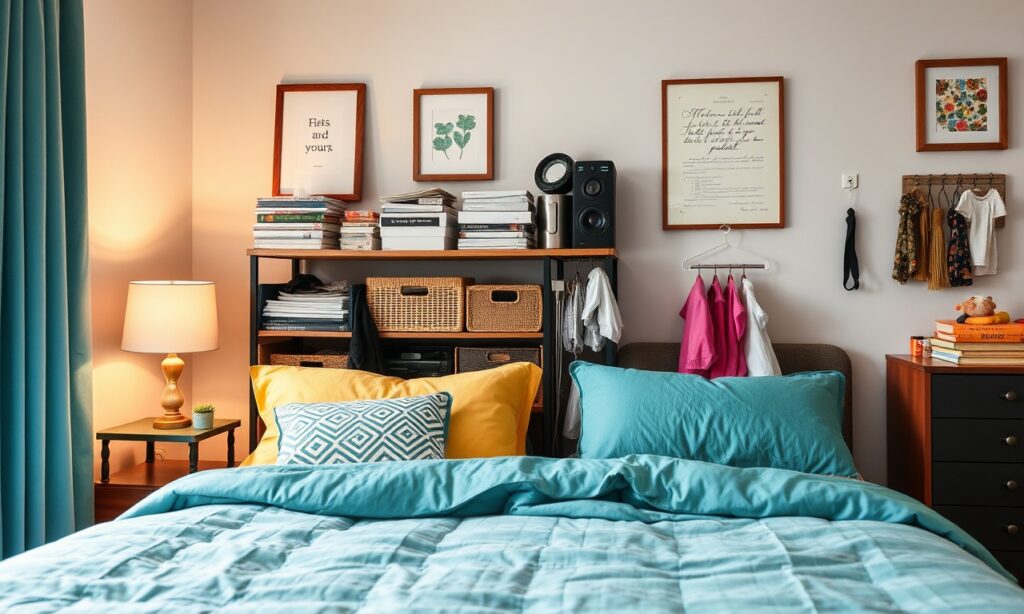
- Tall Bookcases and Shelving Units: These provide ample storage for books, decorative items, and even folded clothing if equipped with bins.
- Wall-Mounted Shelves: Ideal for displaying personal items, keeping nightstands clear, or storing frequently accessed items like medications or skincare.
- Over-the-Door Organizers: Excellent for shoes, accessories, or toiletries, these utilize often-neglected vertical space.
Under-Bed Storage: The Hidden Gem
The area beneath the bed is often a forgotten storage frontier. Utilizing it effectively can free up valuable closet and drawer space.
- Storage Bins with Wheels: These are ideal for seasonal clothing, extra bedding, or items not accessed daily. Opt for low-profile bins that fit snugly under the bed frame.
- Drawers Built into the Bed Frame: If purchasing a new bed, consider models with integrated storage drawers. This offers a streamlined and accessible storage solution.
Multi-Functional Furniture: The Space Saver’s Dream
Investing in furniture that serves multiple purposes can be a breakthrough for shared bedrooms.
- Ottomans with Storage: These provide extra seating and a discreet place to store blankets, extra pillows, or even toys.
- Beds with Built-in Desks or Shelving: Especially useful in smaller rooms, these combine sleeping and working/storage areas.
- Nesting Tables: These can be pulled out when needed for extra surface space and tucked away to save room.
The Art of Personalization within a Shared Framework
While organization fosters harmony, it’s crucial that the shared bedroom still reflects the personalities and tastes of its occupants. This is where personalization comes into play, ensuring the space feels like a true sanctuary for both individuals.
Designating Personal Display Areas
Each person should have a designated space to showcase items that are meaningful to them, whether it’s artwork, photographs, or cherished collectibles. This fosters a sense of individual ownership and pride in the shared environment.
- Wall Art and Photos: Allocate specific sections of the wall for each person’s chosen decor.
- Desk or Nightstand Vignettes: Encourage each individual to curate a small display on their personal surface area.
Tailoring Storage to Individual Needs
While shared storage solutions are essential, there’s also room for individual customization within those systems.
- Drawer Dividers: Within shared drawers, individual dividers can help each person keep their items separate and organized.
- Personalized Bins and Containers: Using distinct colors or labels for bins can help differentiate personal items within larger storage units.
A recent survey indicated that a significant percentage of people find it challenging to balance personal style with shared living spaces, highlighting the widespread need for solutions that allow for individual expression within a collective environment.
Maintaining Harmony: The Ongoing Process
Organization is not a one-time event; it’s an ongoing commitment. Establishing routines and habits is key to maintaining the hard-won harmony of the shared bedroom.
Daily Tidy-Up Rituals
Even a few minutes of daily tidying can prevent clutter from accumulating.
- “Five-Minute Frenzy”: Dedicate five minutes each evening to putting away items that are out of place.
- Making Beds: A made bed instantly makes a room look tidier and more organized.
- Clearing Surfaces: Ensure nightstands and dressers are cleared of daily clutter.
Weekly or Bi-Weekly Deep Cleans
Schedule more thorough cleaning and organizing sessions to address areas that tend to accumulate mess.
- Laundry Management: Ensure dirty laundry goes directly into the hamper and clean laundry is put away promptly.
- Surface Wipes and Dusting: Regularly clean surfaces to maintain a fresh and hygienic environment.
Regular Re-evaluation and Adjustment
As life changes, so do our needs and the items we possess. Periodically reassessing the organizational system is crucial.
- Seasonal Decluttering: Just as you might change out seasonal clothing, take the opportunity to declutter items that are no longer relevant.
- Addressing New Habits: If a new hobby or habit emerges that introduces new items into the room, immediately find a suitable storage solution.
The Psychological Benefits of an Organized Shared Bedroom
The impact of an organized shared bedroom extends far beyond mere aesthetics. It plays a significant role in the psychological well-being of its occupants.
Reduced Stress and Anxiety
A cluttered environment can be a constant source of low-level stress. Visual disorder can translate into mental disorder, making it harder to relax and focus. An organized space provides a sense of calm and control, reducing feelings of overwhelm.
Improved Sleep Quality
The bedroom should be a sanctuary for rest. Clutter can disrupt sleep by creating a visually stimulating and chaotic environment. An organized room promotes relaxation, making it easier to fall asleep and enjoy more restful slumber. Studies consistently link organized living spaces with better sleep outcomes.
Enhanced Relationships
When a shared bedroom is chaotic and disorganized, it can become a source of conflict and tension between occupants. An organized space, achieved through collaboration and compromise, fosters a sense of mutual respect and teamwork, strengthening relationships. It demonstrates a commitment to creating a pleasant shared environment for everyone.
Key Insights & Takeaways
The foundation of a harmonious shared bedroom is built not on perfect order, but on consistent communication, a willingness to compromise, and the shared commitment to maintaining a space that serves both inhabitants.
- Prioritize Communication: Open dialogue about boundaries, preferences, and needs is the non-negotiable first step.
- Embrace Collaborative Decluttering: Tackle clutter as a team, using methods like the four-box system with shared decision-making.
- Maximize Vertical and Under-Bed Space: Utilize often-overlooked areas with smart storage solutions like tall shelving and under-bed bins.
- Integrate Personalization: Ensure each occupant has designated areas for personal expression within the organized framework.
- Establish Sustainable Routines: Daily tidy-ups and regular deep cleans are essential for long-term harmony.
Frequently Asked Questions
How do I convince my roommate to get organized?
Convincing a roommate requires a gentle, collaborative approach. Start by expressing your own desire for a more organized space and its benefits (e.g., reduced stress, easier to find things). Suggest a joint decluttering session using a method like the four-box system, emphasizing that it’s a team effort. Focus on the positive outcomes for both of you, rather than making it feel like a criticism of their habits. Offer to take the lead on certain tasks or find solutions that work for both of you.
What if we have very different organizational styles?
This is a common challenge. The key is compromise and finding a system that accommodates both styles as much as possible. Designate personal zones where each person can organize according to their preference within broader shared guidelines. For example, one person might prefer meticulously folded clothes while the other is fine with rolled items, but both agree to keep their clothes within their designated drawer space. Focus on the shared goals (e.g., clear floor space, accessible items) rather than rigidly adhering to one person’s exact method.
How can I keep my shared bedroom organized when one person is messier than the other?
This requires consistent, gentle communication and shared responsibility. Revisit the established boundaries and routines. If one person consistently struggles, try to understand the underlying reasons without judgment. Perhaps they need simpler systems or more frequent reminders. Consider implementing “quick tidy” sessions before bed where both individuals spend five minutes putting away stray items. The goal is to foster shared accountability rather than assigning blame.
What are the most effective storage solutions for small shared bedrooms?
In small spaces, think vertically and multi-functionally. Utilize wall-mounted shelves, tall bookcases, and over-the-door organizers. Invest in furniture that offers dual purpose, such as ottomans with storage, beds with built-in drawers, or nesting tables. Under-bed storage bins with wheels are excellent for seasonal items. Maximizing closet space with modular systems and shelf dividers can also make a significant difference.
How often should we re-evaluate our shared bedroom organization system?
A good rule of thumb is to conduct a more thorough review every 3-6 months, or whenever a significant life change occurs (e.g., new job, change in habits). However, smaller, more frequent adjustments can be made as needed. If you notice clutter accumulating in a specific area or a particular storage solution isn’t working, address it promptly. Daily and weekly tidy-up routines are crucial for ongoing maintenance.
Final Recommendations
Transforming a shared bedroom from a source of clutter and potential conflict into a haven of harmony is an achievable goal. It demands more than just tidying; it requires a strategic, empathetic, and collaborative approach. Begin by fostering open communication and establishing clear boundaries. Embrace a joint decluttering process, purging what no longer serves a purpose, and then invest in smart storage solutions that maximize space and cater to individual needs. Remember that organization is an ongoing journey, not a destination, and maintaining your newly found order requires consistent effort and periodic reassessment.
By prioritizing these principles, you can cultivate a shared bedroom that not only looks good but also feels good, enhancing peace, productivity, and the overall quality of life for everyone within its walls.
See also: Shared Bedroom