
The Enduring Allure of Modern Wooden Accents
There was a time when wood in interior design conjured images of heavy, dark, and perhaps even slightly staid furnishings. Think of oak-paneled studies or overly ornate mahogany dining sets that felt more like museum pieces than functional furniture. However, the landscape of home décor has undergone a seismic shift, and at its forefront is the re-emergence of wood, reimagined through the lens of contemporary design. Modern wooden elements have become the embodiment of effortless style, infusing spaces with warmth, texture, and a sophisticated, organic aesthetic that resonates deeply with today’s homeowner. This transformation is about a conscious embrace of natural materials and a move towards creating environments that feel both grounded and elegant.
- The Enduring Allure of Modern Wooden Accents
- Understanding the Spectrum of Modern Wooden Design
- The Versatility of Modern Wooden Accents
- Integrating Modern Wooden Elements: Practical Strategies
- Styling Modern Wooden Accents for Maximum Impact
- Frequently Asked Questions
- What is the difference between traditional and modern wooden furniture?
- How can I maintain my modern wooden accents to ensure longevity?
- Can I mix different types of wood in my decor?
- Are modern wooden signs suitable for outdoor use?
- Final Recommendations: Embracing the Warmth of Modern Wooden Style
Wikipedia: Contents — Wikipedia
The true power of modern wooden accents lies in their ability to bridge the gap between the organic and the sophisticated, offering a tactile warmth that mass-produced materials simply cannot replicate.
The appeal of Modern Wooden accents today stems from a growing appreciation for sustainable and natural materials, a desire for interiors that feel more personal and less sterile, and the inherent versatility of wood. It’s no longer confined to rustic cabins or traditional farmhouses. Instead, sleek, minimalist wooden shelving, beautifully crafted wooden wall art, and subtly integrated wooden furniture pieces are gracing stylish urban apartments and avant-garde architectural marvels. This guide is designed to make the most of these elements, providing you with the knowledge and inspiration to integrate Modern Wooden touches seamlessly into your living spaces, achieving a look that is both timeless and undeniably chic.
Understanding the Spectrum of Modern Wooden Design
When we speak of “Modern Wooden,” we are not referring to a monolithic style. Rather, it encompasses a broad spectrum of aesthetics, each with unique characteristics and applications. The key lies in understanding how different wood types, finishes, and design principles converge to create these contemporary looks. Modern design emphasizes clean lines, simplicity, and functionality. Modern Wooden elements achieve this by often featuring smooth surfaces, geometric forms, and a deliberate absence of excessive ornamentation.
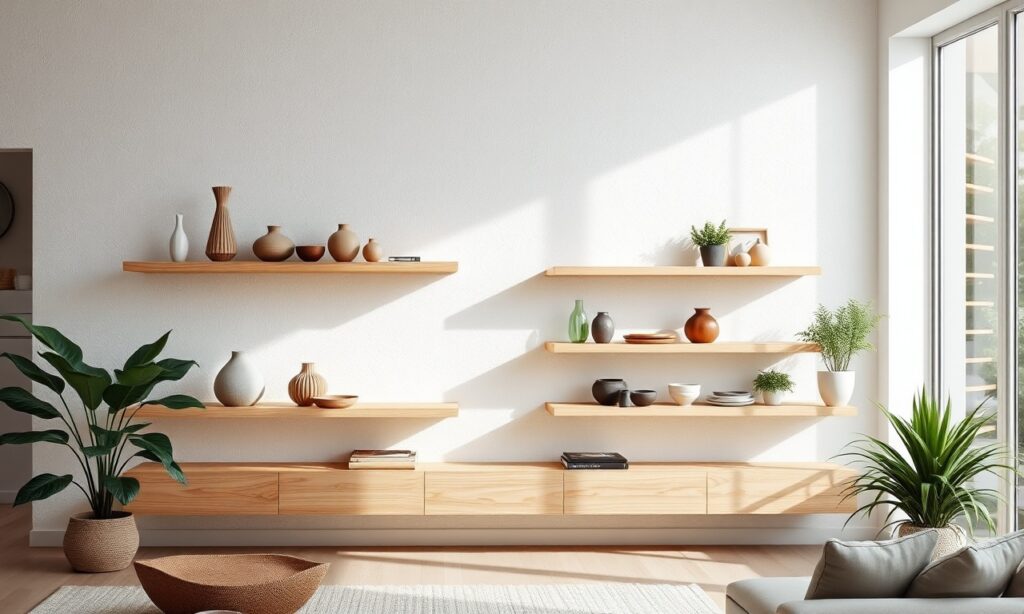
One prevalent trend is the use of lighter-toned woods like birch, maple, or ash, often paired with natural or matte finishes. These woods lend an airy, Scandinavian-inspired feel, promoting a sense of calm and spaciousness. Think of floating shelves, minimalist side tables, or integrated cabinetry that appears to melt into the wall. These pieces are characterized by understated elegance and their ability to enhance, rather than dominate, a room’s existing décor. Their inherent lightness prevents them from overwhelming smaller spaces, making them ideal for apartments or homes where a sense of openness is paramount.
Conversely, darker woods like walnut or teak, when treated with a refined finish, can offer a more opulent and dramatic modern aesthetic. Here, the emphasis might be on the richness of the grain and the depth of the color. A statement console table in rich walnut, a sleek dining table with a minimalist base, or intricately carved wooden wall panels can introduce a sense of grounded luxury. The key is execution: the lines remain clean, the forms are often sculpted rather than carved, and the finish is typically smooth and sophisticated, avoiding the heavy gloss or distressed look of older styles. This approach demonstrates that Modern Wooden design can be both demure and powerfully impactful.
The Versatility of Modern Wooden Accents
The true genius of Modern Wooden elements lies in their remarkable versatility. They are not confined to a single room or a specific function. From the entryway to the bedroom, these pieces can adapt and enhance, bringing their unique brand of style and warmth to every corner of the home. Their adaptability makes them a strategic choice for designers and homeowners alike, offering a reliable way to inject personality and sophistication without committing to a single, potentially fleeting, trend.
Consider the entryway, often the first impression a home makes. A simple, elegantly crafted wooden console table can provide a functional surface for keys and mail, while also serving as a display for a striking piece of wooden art or a beautifully potted plant. A minimalist wooden coat rack, with its clean lines and natural material, can elevate this utilitarian necessity into a design statement. Even smaller touches, like a wooden doormat or a set of wooden-framed mirrors, can begin to weave the narrative of a home that values natural materials and thoughtful design.
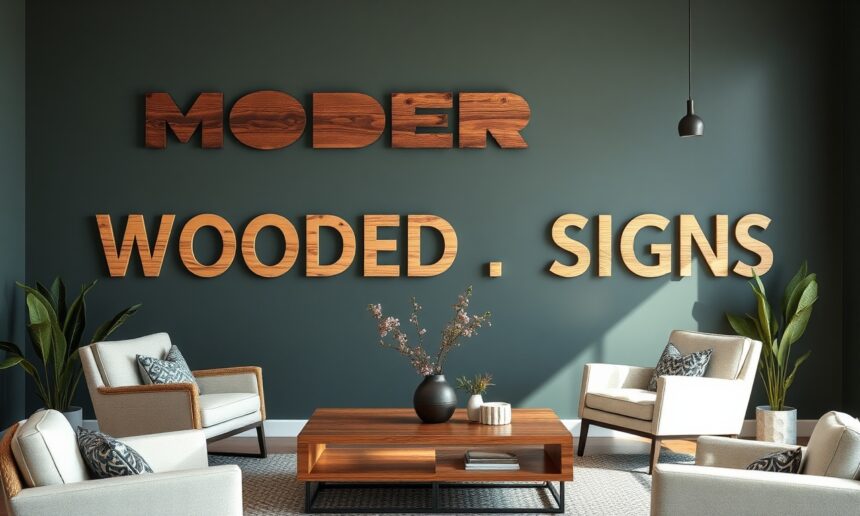
Moving into the living area, Modern Wooden accents can range from substantial furniture pieces to subtle decorative touches. A coffee table with a clean, geometric wooden top and a minimalist metal or wood base can anchor the seating arrangement. Floating wooden shelves can showcase books, photographs, and cherished objects, creating a personalized gallery wall that feels both organized and inviting. Wooden accent chairs, with their sculpted forms and natural warmth, can provide comfortable and stylish seating options that complement upholstery.
In the dining room, a well-proportioned wooden dining table, whether a sleek slab of walnut or a lighter, more organic shape, forms the heart of the space. Paired with minimalist chairs, it creates an inviting atmosphere for shared meals and conversations. Wooden sideboard or buffet cabinets, with their clean lines and ample storage, can blend seamlessly into the décor while providing essential functionality.
Even the bedroom, often a sanctuary of soft textures, can benefit from the grounding influence of Modern Wooden elements. A minimalist wooden bed frame, a sleek wooden nightstand, or a simple wooden dresser can introduce a sense of organic calm. Consider the subtle addition of wooden picture frames on the wall or a small wooden jewelry box on a dresser – these small details contribute to a cohesive and tranquil environment.
A Comparative Look: Wood vs. Other Materials in Modern Design
To truly appreciate the impact of Modern Wooden accents, it’s helpful to compare them with other materials commonly used in contemporary interiors. Metal, for instance, often provides a sleek, industrial, or minimalist edge. A metal frame sofa or a chrome-legged side table speaks of urban sophistication and clean lines. However, metal can sometimes feel cold or sterile, lacking the inherent warmth and tactile appeal that wood provides. While metal excels at creating sharp, defined forms, wood offers a softer, more approachable aesthetic.
Glass is another prevalent material, valued for its ability to create a sense of openness and lightness. Glass tabletops and shelving can make a space feel larger and more airy. Yet, glass can also be prone to showing fingerprints and smudges, requiring more frequent cleaning. Furthermore, it lacks the organic texture and unique grain patterns that make each piece of wood singular.
Plastics and synthetics offer immense design flexibility, allowing for bold colors and unusual shapes. They are often cost-effective and durable. However, they can sometimes lend a less sophisticated or less sustainable feel to a space. The inherent beauty of natural wood, with its unique grain, subtle variations, and the story it tells of growth and nature, is difficult to replicate with man-made materials.
The advantage of Modern Wooden accents lies in their ability to combine the best of both worlds. They offer the clean lines and sophisticated forms of modern design, while simultaneously imparting the warmth, texture, and natural beauty that synthetic materials often lack. They can be both sleek and inviting, grounded and elegant, making them an exceptionally well-rounded choice for contemporary interiors. According to recent research, wood continues to be a preferred building material for its aesthetic appeal and perceived durability among homebuyers, underscoring its enduring popularity.
Integrating Modern Wooden Elements: Practical Strategies
Successfully incorporating Modern Wooden accents into your home doesn’t require a complete overhaul. It’s about thoughtful integration, choosing pieces that complement your existing décor and enhance the overall ambiance. The key is to avoid overwhelming the space and instead, use wood to add strategic points of interest and warmth.
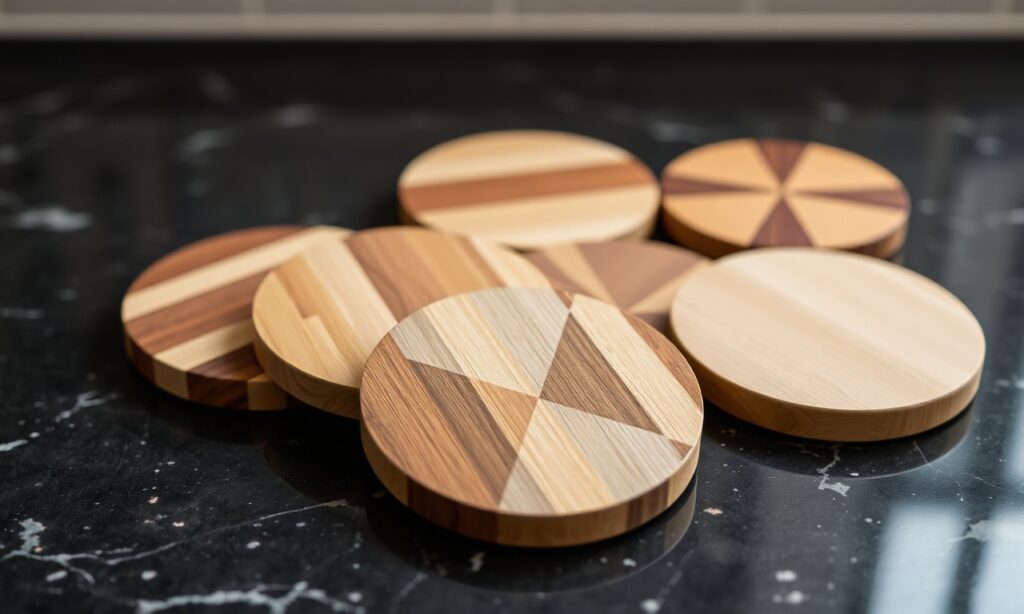
One of the most accessible ways to begin is with smaller decorative items. Wooden picture frames, a set of elegantly carved wooden coasters, a minimalist wooden bowl on a coffee table, or a small wooden sculpture can introduce the material without demanding significant commitment. These pieces serve as subtle introductions, allowing you to test the waters and see how the material resonates within your space.
For a more impactful statement, consider a piece of Modern Wooden furniture. A side table with clean lines, a minimalist bookshelf, or a small accent chest can serve as a focal point. When selecting furniture, pay attention to the scale and proportion relative to the room. A piece that is too large can make a small room feel cramped, while a piece that is too small can get lost in a larger space.
Wall treatments offer another avenue for incorporating wood. Wooden wall panels, whether in a sleek slatted design or a more minimalist flat profile, can add significant warmth and texture to a room. This can be used to create an accent wall, define a specific zone within an open-plan living area, or even to add a touch of sophistication to a hallway.
Lighting fixtures are often overlooked but can be a powerful way to introduce Modern Wooden elements. Pendant lights with wooden shades, table lamps with wooden bases, or sconces with subtle wooden accents can cast a warm, inviting glow and add a natural touch to the room’s illumination.
When combining Modern Wooden elements with other materials, strive for balance. If you have a predominantly upholstered living room, a wooden coffee table or shelving unit can provide a welcome contrast. If your space features a lot of metal and glass, introducing wood can soften the edges and add a layer of organic warmth. The goal is to create a harmonious dialogue between materials, rather than a clash.
Choosing the Right Finish and Wood Type
The finish and type of wood you choose will profoundly impact the overall aesthetic of your Modern Wooden elements. Understanding these choices is crucial for achieving the desired look.
- Wood Types:
- Light Woods (Ash, Birch, Maple, Oak): These are excellent for creating a bright, airy, and Scandinavian-inspired feel. They are versatile and pair well with a wide range of colors. Oak, in particular, offers a subtle grain that adds texture without being overpowering.
- Mid-Toned Woods (Walnut, Cherry): These woods offer a richer, warmer feel and are ideal for creating a more sophisticated and grounded atmosphere. Walnut is a popular choice for its deep, luxurious color and elegant grain patterns. Cherry develops a beautiful patina over time.
- Dark Woods (Mahogany, Ebony): While less common in overtly minimalist modern design, darker woods can be used strategically for dramatic effect, especially when paired with clean, geometric forms and a smooth finish. They lend an air of gravitas and luxury.
- Finishes:
- Natural/Matte Finish: This is perhaps the most quintessential modern wood finish. It allows the natural grain and color of the wood to shine through, offering a tactile, understated elegance. It avoids high gloss or overly distressed looks.
- Clear Lacquer/Polyurethane: These finishes provide a protective layer while maintaining a natural appearance. They offer a subtle sheen that enhances the wood’s depth without being overly reflective.
- Stained Finishes: Stains can be used to alter the color of the wood, but for a modern aesthetic, opt for subtle, tone-on-tone stains that enhance the natural grain rather than mask it. Avoid overly dark or opaque stains that obscure the wood’s inherent character.
- Painted Finishes: While less common for showcasing wood’s natural beauty, painting wooden elements in muted, sophisticated colors (like soft grays, deep blues, or off-whites) can still contribute to a modern aesthetic, particularly for geometric-designed pieces.
Styling Modern Wooden Accents for Maximum Impact
Beyond selection, the art of styling Modern Wooden elements is what truly elevates a space. It’s about creating vignettes that are both aesthetically pleasing and functional, allowing the wood to be appreciated for its inherent beauty.
When arranging items on Modern Wooden shelves or surfaces, embrace the principle of “less is more.” Avoid clutter. Curate a selection of objects that are visually interesting and varied in texture and form. Consider grouping items by color or theme. A collection of ceramic vases in varying shades of white and earthy tones, a stack of artfully chosen books, or a few carefully placed plants can create a dynamic and engaging display.
The interplay of textures is also crucial. Pair smooth Modern Wooden surfaces with contrasting textures like soft textiles (linen, velvet, chunky knits), brushed metals, or artisanal ceramics. This creates visual interest and depth, making the space feel more layered and inviting. For example, a sleek wooden coffee table can be softened by a plush rug and a collection of textured cushions.
Consider the role of light in highlighting Modern Wooden elements. Natural light is always best, as it accentuates the wood’s grain and warmth. Strategic placement of accent lighting, such as a spotlight directed at a wooden wall panel or a well-placed table lamp, can create dramatic shadows and highlight the material’s texture in the evening.
Scale and proportion are paramount when styling. Ensure that the objects you place on wooden surfaces are in proportion to the surface itself and the surrounding furniture. A tiny object on a vast wooden table can look lost, while an oversized item can overwhelm a delicate wooden shelf. Aim for a balanced composition that feels intentional and harmonious.
Finally, remember that Modern Wooden accents are about creating a feeling. They evoke a sense of nature, calm, and authenticity. Style them in a way that reinforces this feeling, creating a sanctuary that is both beautiful and deeply comforting.
The Role of Sustainability in Modern Wooden Design
In an era where environmental consciousness is paramount, the sustainability of materials plays a significant role in design choices. Modern Wooden elements, when sourced responsibly, align perfectly with this ethos. Wood is a renewable resource, and its use in interiors can contribute to a healthier and more sustainable built environment.
Look for wood that is certified by reputable organizations. Such certification ensures that the wood comes from responsibly managed forests that protect biodiversity and respect the rights of workers and local communities. This commitment to responsible sourcing adds an extra layer of value and integrity to Modern Wooden pieces.
Furthermore, the longevity of well-crafted wooden furniture is proof of its sustainability. Unlike disposable furniture made from less durable materials, quality wooden pieces can last for generations, reducing waste and the need for constant replacement. This inherent durability, combined with timeless design, makes Modern Wooden accents a wise and eco-conscious investment.
The production of wood generally requires less energy compared to materials like metal or plastic, and wood also sequesters carbon dioxide, helping to mitigate climate change. Opting for Modern Wooden elements is, therefore, not just a stylistic choice but also a conscious decision to support a more sustainable future.
Frequently Asked Questions
What is the difference between traditional and modern wooden furniture?
Traditional wooden furniture often features ornate carvings, heavier forms, and darker, more polished finishes. It tends to be more formal and decorative. Modern wooden furniture, in contrast, emphasizes clean lines, simpler silhouettes, and often lighter or more natural finishes. It prioritizes functionality and a minimalist aesthetic, allowing the natural beauty of the wood to be the primary decorative element.
How can I maintain my modern wooden accents to ensure longevity?
Regular dusting with a soft, dry cloth is essential. For deeper cleaning, use a slightly damp cloth, followed by immediate drying. Avoid harsh chemicals or abrasive cleaners, which can damage the finish. For wooden furniture, consider using a wood polish or conditioner specifically designed for your wood type and finish, applying it sparingly as per product instructions. Protect surfaces from direct sunlight and extreme temperature fluctuations, which can cause drying, cracking, or fading.
Can I mix different types of wood in my decor?
Absolutely. Mixing wood tones can add depth and visual interest to a room. The key is to do so intentionally. A common approach is to choose one dominant wood tone and then introduce secondary wood elements that complement it. For example, if you have a walnut dining table, you might introduce ash or maple accents in chairs or shelving. Alternatively, you can embrace an eclectic approach where the different wood tones create a visually diverse mix, ensuring that there’s a unifying element, such as a consistent style or color palette, to tie them together.
Are modern wooden signs suitable for outdoor use?
This depends entirely on the type of wood and the finish applied. Many woods, when properly treated with outdoor-specific sealants and finishes, can withstand the elements. However, untreated wood will degrade over time. For outdoor Modern Wooden signs, look for naturally durable woods like cedar or redwood, and ensure they have a robust, waterproof sealant. It’s crucial to clarify the intended use with the manufacturer.
Final Recommendations: Embracing the Warmth of Modern Wooden Style
The enduring appeal of Modern Wooden accents lies in their ability to infuse any space with a sense of warmth, authenticity, and effortless style. They offer a tactile connection to nature, a grounding presence in our increasingly digital lives, and a timeless elegance that transcends fleeting trends. Whether you choose to introduce a single statement piece or weave wood throughout your entire home, the impact is undeniable.
The journey to integrating Modern Wooden elements is one of mindful selection and thoughtful styling. By understanding the nuances of different wood types, finishes, and design principles, you can create spaces that are not only visually stunning but also deeply resonant and comfortable. Embrace the imperfections, celebrate the natural grain, and allow the inherent beauty of wood to transform your surroundings. The result will be a home that feels more alive, more inviting, and more uniquely you.
See also: Modern Wooden