

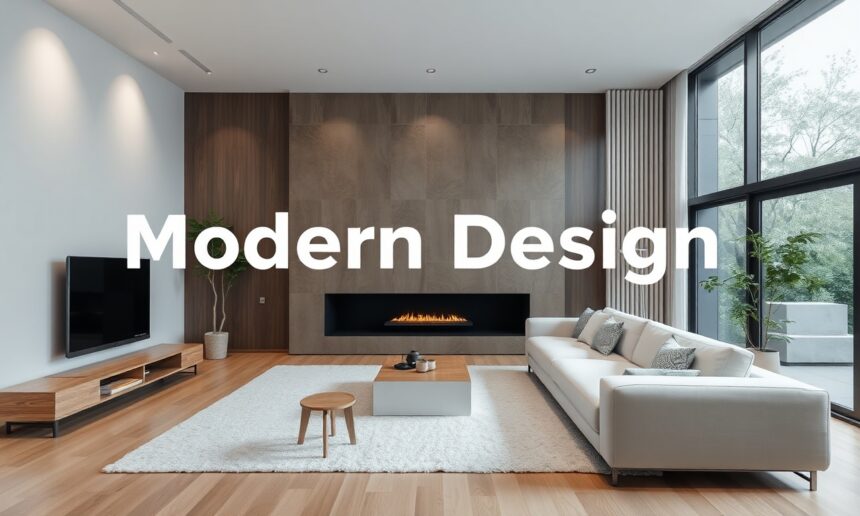
Modern Design: Beyond Aesthetics, A Foundation for Well-being
Modern Design, often misconstrued as stark minimalism or cold, impersonal spaces, is, in fact, a profoundly human-centric approach to living. It’s not merely about the visual appeal of clean lines and neutral palettes; it’s a deliberate architectural and interior philosophy aimed at enhancing functionality, promoting mental clarity, and fostering a deeper connection with our surroundings. The core tenet of Modern Design is the intelligent simplification of form and space to create environments that are both beautiful and inherently conducive to focus, productivity, and a sense of calm. This isn’t about stripping away personality, but rather about curating elements that serve a purpose, both aesthetically and functionally, thereby reducing cognitive load and allowing inhabitants to thrive.
- Modern Design: Beyond Aesthetics, A Foundation for Well-being
- The Pillars of Modern Design for a Focused Sanctuary
- 1. Uncluttered Simplicity: The Essence of Clarity
- 2. Functional Form: Purpose Over Pretence
- 3. Honest Materials: Tactility and Truth
- 4. Strategic Lighting: Illuminating Focus
- 5. Neutral Palettes with Intentional Accents: A Calm Foundation
- Case Study: The Architect’s Home Office
- Transforming Your Home: Actionable Strategies for a Focused Modern Design
- 1. Declutter Ruthlessly: The Foundation of Serenity
- 2. Define Zones: Creating Purposeful Areas
- 3. Invest in Smart Storage: The Art of Concealment
- 4. Select Multi-Functional Furniture: Efficiency in Design
- 5. Embrace Natural Light and Layered Artificial Lighting: Illuminating Your World
- 6. Curate Your Decor: Quality Over Quantity
- The Psychological Impact of a Focused Modern Design Home
- Frequently Asked Questions
- What is the primary goal of Modern Design in creating a focused home?
- How can I incorporate Modern Design principles if I have a small living space?
- Is Modern Design only about minimalism and neutral colors?
- How does Modern Design impact mental well-being?
- What are the key materials used in Modern Design?
- Final Recommendations: Cultivating Your Personal Haven of Focus
Wikipedia: Contents — Wikipedia
Modern Design transcends mere decoration; it’s a strategic framework for cultivating environments that actively support mental clarity and purposeful living.
The genesis of Modern Design can be traced back to the early 20th century, a period of rapid industrialization and societal change. Architects and designers sought to break away from ornate, historically-driven styles, embracing new materials, technologies, and a more egalitarian ethos. Movements like the Bauhaus in Germany championed the idea that form should follow function, a principle that remains the bedrock of contemporary Modern Design. This philosophy rejects superfluous ornamentation, favoring instead honest materiality, efficient spatial planning, and a considered use of light and space. The result is an aesthetic that is timeless, adaptable, and deeply resonant with the needs of modern life, where our homes increasingly serve multiple roles – sanctuary, office, and personal retreat.
The Pillars of Modern Design for a Focused Sanctuary
Achieving a focused home environment through Modern Design hinges on understanding and implementing its foundational principles. These are not arbitrary rules, but rather well-considered strategies that work in concert to create spaces that are both visually appealing and psychologically beneficial. By prioritizing these elements, one can transform a dwelling from a mere collection of rooms into a carefully orchestrated habitat that supports a more intentional and productive lifestyle.
1. Uncluttered Simplicity: The Essence of Clarity
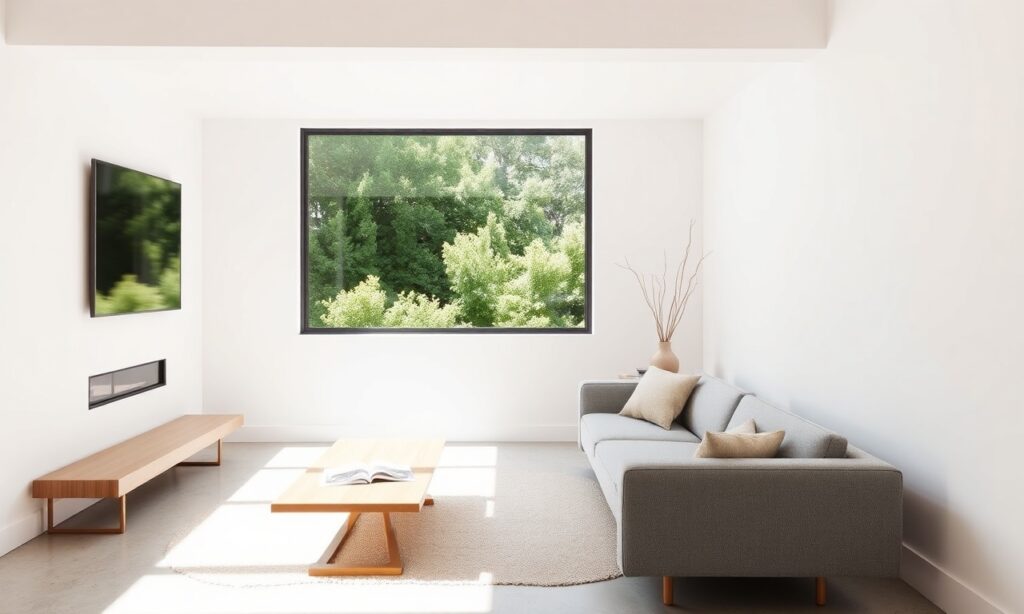
The most immediate characteristic of Modern Design is its emphasis on simplicity and the elimination of visual clutter. This is not an aesthetic whim but a psychological imperative. A cluttered environment bombards the senses with extraneous information, taxing cognitive resources and making it difficult to concentrate. Modern Design addresses this by advocating for clean surfaces, defined zones, and a curated selection of furnishings and decor. Storage solutions are integrated seamlessly, often hidden from view, ensuring that the essential items are accessible while the everyday detritus of life remains out of sight. This deliberate paring down creates a sense of spaciousness and visual calm, allowing the mind to settle and focus on the task at hand.
2. Functional Form: Purpose Over Pretence
A cornerstone of Modern Design is the principle that form must follow function. Every element within a space should have a clear purpose, contributing to the overall utility and comfort of the inhabitants. This means furniture is chosen not just for its appearance, but for its ergonomic qualities, its durability, and its ability to serve specific needs. In a home office designed with Modern Design principles, this might translate to a desk with ample, integrated storage, an ergonomic chair that supports long hours of work, and task lighting that minimizes eye strain. The emphasis is on intelligent design that enhances usability, making everyday tasks more efficient and enjoyable.
3. Honest Materials: Tactility and Truth
Modern Design embraces materials in their natural state, celebrating their inherent textures, colors, and durability. Think of the warmth of natural wood, the coolness of concrete or stone, the sleekness of glass, and the subtle sheen of brushed metal. These materials are not hidden or disguised; their qualities are highlighted to add depth and sensory richness to a space. The tactile experience of these materials can ground individuals, providing a sense of connection to the physical world. This honesty in material selection contributes to the timeless appeal of Modern Design, creating spaces that feel authentic and enduring.
4. Strategic Lighting: Illuminating Focus
Light is perhaps the most powerful tool in a designer’s arsenal, and Modern Design wields it with precision. Natural light is maximized through large windows, strategically placed openings, and the use of reflective surfaces. Artificial lighting is layered and adaptable, with ambient, task, and accent lighting working in harmony. For a focused home environment, this means ensuring that workspaces are well-lit with appropriate task lighting, while living areas can be softened with ambient light for relaxation. The interplay of light and shadow can define spaces, create mood, and enhance the perception of depth and spaciousness, all contributing to a more dynamic and engaging environment.
5. Neutral Palettes with Intentional Accents: A Calm Foundation
While often associated with neutral color schemes – whites, greys, beiges, and blacks – Modern Design uses these palettes not for austerity, but for their ability to create a sense of calm and spaciousness. These neutral backdrops allow other elements, such as artwork, natural materials, or carefully chosen accent pieces, to take center stage without overwhelming the senses. The absence of visual noise allows the eye to rest, promoting mental clarity and focus. When color is introduced, it is typically done with intention, serving as a deliberate focal point or to evoke a specific mood or feeling.
Case Study: The Architect’s Home Office
Consider the home office of a renowned architect known for her minimalist yet highly functional designs. Her workspace, bathed in natural light from a floor-to-ceiling window overlooking a tranquil garden, exemplifies Modern Design principles for focus. The desk, crafted from a single slab of reclaimed oak, features discreet, built-in drawers that conceal all stationery and cables. The chair is an iconic ergonomic piece, chosen for its supportive structure and clean lines. Lighting is a carefully considered system: recessed ceiling lights provide general illumination, while a sleek, adjustable task lamp sits beside her monitor. The walls are painted a soft, matte white, punctuated by a single, large abstract painting in muted blues and greys.
Storage for architectural models and books is provided by a custom-built, floor-to-ceiling shelving unit with integrated doors, ensuring a perpetually uncluttered appearance. The overall effect is a space that feels both serene and highly conducive to deep work, where every element serves a purpose without creating distraction.
Transforming Your Home: Actionable Strategies for a Focused Modern Design
Embarking on a journey to create a focused home through Modern Design requires a thoughtful, step-by-step approach. It’s about making conscious decisions that align your living space with your goals of clarity, productivity, and well-being. This is not an overnight transformation, but a process of intentional curation.
1. Declutter Ruthlessly: The Foundation of Serenity
Before any aesthetic changes are made, a thorough decluttering is paramount. Go through every room, every drawer, and every shelf with a critical eye. Ask yourself: does this item serve a purpose? Does it bring me joy? Is it necessary? Research suggests that visual clutter can significantly impair cognitive function by distracting the brain. Items that don’t meet these criteria should be donated, sold, or discarded. This process is not just about tidiness; it’s about freeing up mental space and reducing the visual noise that can impede focus.
2. Define Zones: Creating Purposeful Areas
In open-plan living or multi-functional rooms, clearly defining zones is crucial for focus. Use furniture placement, rugs, and subtle changes in lighting or wall color to delineate areas for specific activities, such as working, relaxing, or dining. For instance, in a living room that doubles as a home office, a stylish rug can anchor the seating area, while a minimalist desk and task lamp can clearly signal the workspace. This zoning prevents the mental diffusion that occurs when boundaries are unclear, allowing you to transition more easily into different modes of activity.
3. Invest in Smart Storage: The Art of Concealment
Effective storage is the unsung hero of Modern Design. Opt for furniture with integrated storage, such as ottomans with hidden compartments, beds with drawers, or wall units that conceal clutter behind sleek doors. Vertical storage is also key; tall, slender shelving units can maximize space without encroaching on the feeling of openness. The goal is to keep surfaces clear and essential items readily accessible but out of sight, maintaining the visual tranquility that is so vital for focus.
4. Select Multi-Functional Furniture: Efficiency in Design
In smaller spaces or homes that serve multiple purposes, multi-functional furniture can enhance efficiency. Consider a coffee table that can be raised to dining height, a sofa bed that accommodates guests, or modular shelving units that can be reconfigured as your needs evolve. These pieces maximize utility without adding to the visual clutter, embodying the spirit of intelligent design inherent in Modern Design.
5. Embrace Natural Light and Layered Artificial Lighting: Illuminating Your World
Maximize natural light by keeping windows unobstructed and using sheer or light-colored window treatments. For artificial lighting, invest in a layered approach. Ambient lighting provides general illumination, task lighting is focused on specific activities (like reading or working), and accent lighting can highlight artwork or architectural features. Dimmable switches allow for mood adjustment, creating versatile environments. Studies suggest that appropriate lighting can significantly impact mood and performance.
6. Curate Your Decor: Quality Over Quantity
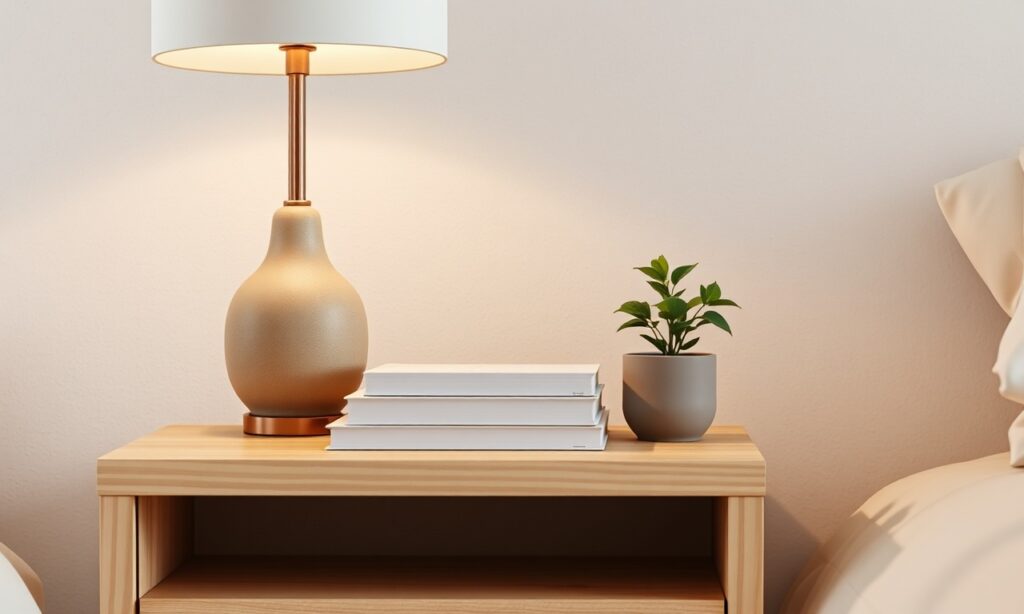
Modern Design encourages a mindful approach to decor. Instead of accumulating numerous decorative items, select a few pieces that hold genuine meaning or aesthetic appeal. This could be a striking piece of art, a beautifully crafted ceramic vase, or a carefully chosen plant. These select items become focal points, adding personality and interest without creating clutter. This curated approach ensures that your decor enhances, rather than detracts from, your sense of focus.
The Psychological Impact of a Focused Modern Design Home
The benefits of a Modern Design home extend far beyond its aesthetic appeal; they are deeply rooted in its psychological impact. By intentionally crafting spaces that are uncluttered, functional, and harmonious, we create environments that actively support our mental and emotional well-being.
Studies indicate that employees in well-designed, uncluttered workspaces report higher levels of job satisfaction and productivity. While these studies may focus on commercial spaces, the principles are directly applicable to residential settings. A home designed with Modern Design principles can reduce stress by minimizing visual distractions, allowing the mind to relax and recharge more effectively. This reduction in cognitive load can lead to improved concentration, enhanced creativity, and a greater sense of control over one’s environment.
Furthermore, the emphasis on natural materials and light in Modern Design can foster a stronger connection to nature, which has been shown to reduce anxiety and improve mood. The inherent order and predictability of a well-designed space can also provide a sense of stability and security, crucial for mental resilience in a chaotic world.
Frequently Asked Questions
What is the primary goal of Modern Design in creating a focused home?
The primary goal of Modern Design in creating a focused home is to cultivate environments that actively support mental clarity, reduce stress, and enhance productivity by prioritizing functionality, simplicity, and intentionality in every aspect of the space.
How can I incorporate Modern Design principles if I have a small living space?
For small spaces, focus on multi-functional furniture, smart, integrated storage solutions, and maximizing natural light. Employ a neutral color palette to create a sense of spaciousness and select a few carefully chosen decor items rather than many small ones. Vertical storage can also be highly effective.
Is Modern Design only about minimalism and neutral colors?
While minimalism and neutral palettes are common characteristics, Modern Design is fundamentally about functionality and intentionality. Color can be incorporated strategically as accents, and personal touches can be added through carefully curated artwork or objects that hold significance. The core principle is purposeful selection, not the absence of elements.
How does Modern Design impact mental well-being?
By reducing visual clutter and creating ordered, functional spaces, Modern Design minimizes cognitive overload and stress. The emphasis on natural light and materials can also foster a connection to nature, promoting relaxation and improving mood. A well-designed modern space can provide a sense of calm and control.
What are the key materials used in Modern Design?
Key materials in Modern Design include natural wood, concrete, stone, glass, steel, and sometimes, high-quality plastics. These materials are often used in their natural state to showcase their textures and inherent qualities, contributing to the honest and tactile nature of the design.
Final Recommendations: Cultivating Your Personal Haven of Focus
The pursuit of a focused home through Modern Design is a rewarding endeavor that yields lasting benefits for your well-being and productivity. It is a journey of mindful curation, where every decision, from furniture selection to the placement of a single object, contributes to the overall harmony and functionality of your sanctuary. Embrace the principles of simplicity, functionality, and honest materiality not as restrictive rules, but as guiding philosophies that empower you to create a living space that truly supports your aspirations. Remember that a focused home is not about perfection, but about intentionality – a space that reflects your values and allows you to thrive.
See also: Modern Design