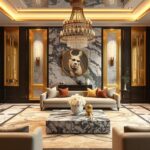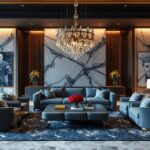

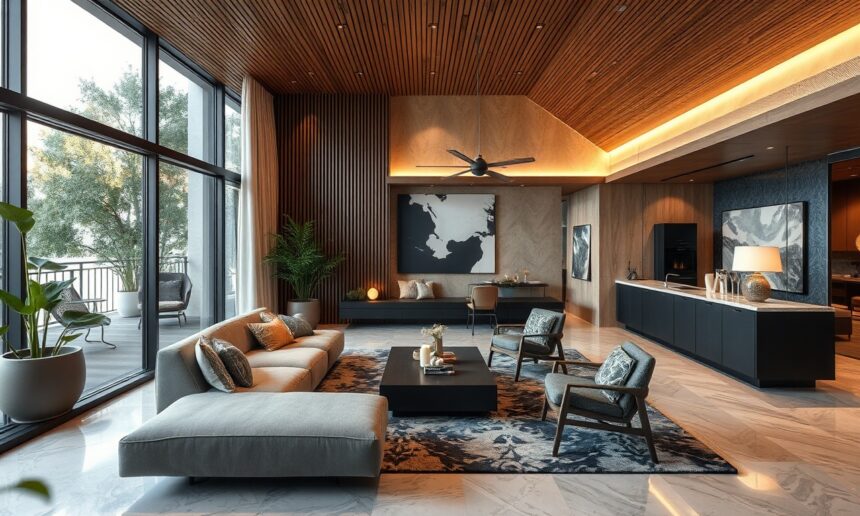
“Luxury is not a thing, it is a feeling.” – Unknown
- The Evolving Landscape of Modern Luxury
- Defining Your Personal Vision of Modern Luxury
- The Pillars of Exceptional Design: Materials, Craftsmanship, and Sustainability
- Integrating Technology Seamlessly for Enhanced Living
- The Power of Sensory Experience: Ambiance, Scent, and Sound
- Curating the Perfect Narrative: Art, Décor, and Personal Touches
- Expert Steps to Creating Your Modern Luxury Dream Space
- The Future of Dream Spaces: Adaptability and Well-being
- Frequently Asked Questions
- What is the most common mistake people make when trying to create a modern luxury space?
- How can I incorporate sustainability into my modern luxury design without compromising on aesthetics?
- Is it necessary to hire an interior designer to achieve a modern luxury aesthetic?
- How important is scale and proportion in modern luxury design?
- What are the key differences between modern luxury and traditional luxury?
- Final Recommendations for Your Dream Space
The Evolving Landscape of Modern Luxury
Modern Luxury is no longer solely defined by ostentatious displays of wealth or adherence to rigid, traditional aesthetics. Instead, it has evolved into a deeply personal, nuanced expression of an individual’s values, aspirations, and desired lifestyle. This shift signifies a move from mere opulence to a more profound, experiential form of elegance. It’s about curating environments that not only look stunning but also feel profoundly comfortable, functional, and reflective of one’s identity. The ultimate truth about creating your dream space lies in understanding this evolution and applying its principles with intention.
Wikipedia: Contents — Wikipedia
Key Takeaways
- Modern Luxury prioritizes personalization and experience over ostentatious display.
- Authenticity and sustainability are increasingly integral to defining luxury.
- The ‘dream space’ is a dynamic concept, evolving with individual needs and technological advancements.
- Thoughtful curation of materials, technology, and sensory elements is paramount.
The contemporary interpretation of luxury is intrinsically linked to quality, craftsmanship, and a sense of timelessness. It’s found in the meticulous attention to detail, the provenance of materials, and the stories embedded within objects and spaces. This discerning approach means that what one person considers luxurious, another might find uninspiring. Therefore, the journey to creating one’s dream space under the banner of Modern Luxury is a deeply introspective one, requiring a clear vision of what truly resonates on a personal level. This pursuit demands more than just financial investment; it requires thoughtful consideration, informed decision-making, and a commitment to creating an environment that enhances well-being and enriches daily life.
Defining Your Personal Vision of Modern Luxury
Before embarking on any design project, the most critical step is to articulate a personal definition of Modern Luxury. This is not a prescriptive exercise dictated by trends or external validation, but rather an honest exploration of what brings you genuine comfort, joy, and a sense of fulfillment. Consider the emotions you wish to evoke in your space: serenity, invigoration, creativity, or perhaps a profound sense of belonging. Are you drawn to minimalist serenity, or do you thrive in an environment rich with texture and curated artifacts?
The essence of Modern Luxury in residential design, for instance, often manifests in bespoke solutions tailored to individual needs. This could be a state-of-the-art home office designed for peak productivity, a gourmet kitchen equipped for the most ambitious culinary endeavors, or a sanctuary-like master suite that offers unparalleled rest and rejuvenation. Research consistently shows that personalized environments positively impact mental well-being. Experts note that control over one’s surroundings, including aesthetic choices and functional arrangements, significantly reduces stress levels and increases feelings of satisfaction. This underscores the importance of making design decisions that align with your personal needs and preferences.
The Pillars of Exceptional Design: Materials, Craftsmanship, and Sustainability
At the heart of Modern Luxury lies an unwavering commitment to superior materials and exceptional craftsmanship. This isn’t about fleeting trends but about investing in elements that possess intrinsic value, durability, and an enduring aesthetic appeal. Think of the tactile richness of natural stone, the warmth of sustainably sourced hardwoods, or the subtle elegance of hand-woven textiles. These are materials that age gracefully, developing a patina that tells a story and adds character over time.
When it comes to Modern Luxury, Craftsmanship is the art of bringing these materials to life. It’s evident in the precision of joinery, the flawless finishing of surfaces, and the thoughtful integration of form and function. In an era of mass production, bespoke craftsmanship stands out as a true hallmark of luxury. It signifies human skill, dedication, and an understanding of timeless techniques. Investing in custom-made furniture, artisanal lighting, or hand-finished architectural details can elevate a space from merely beautiful to truly exceptional.
Furthermore, the discourse around Modern Luxury is increasingly shaped by a consciousness of sustainability. True luxury today often involves making responsible choices that minimize environmental impact without compromising on quality or aesthetics. This can translate to using recycled or reclaimed materials, opting for energy-efficient technologies, or supporting brands that prioritize ethical sourcing and production. The concept of “conscious luxury” is gaining traction, reflecting a growing understanding that true indulgence can coexist with a respect for our planet. According to recent research, a significant percentage of luxury consumers consider sustainability a key factor in their purchasing decisions.
In the context of Modern Luxury, 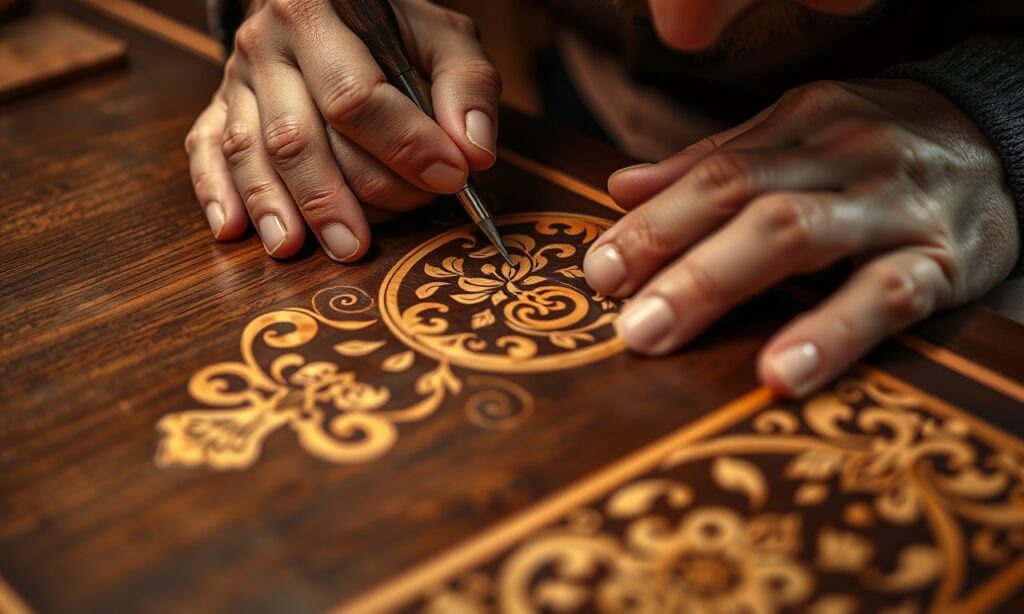
Integrating Technology Seamlessly for Enhanced Living
Technology matter significantly in modern living, and its integration into our homes should be sophisticated and intuitive, enhancing rather than dominating the experience. The concept of “smart homes” has moved beyond novelty to become an essential component of contemporary luxury, offering unparalleled convenience, security, and efficiency. However, the key to successful technological integration lies in its seamlessness. Technology should serve the occupants, anticipating needs and simplifying tasks without being obtrusive or overly complex.
Consider smart lighting systems that adjust ambiance based on the time of day or activity, automated climate control that optimizes energy usage and comfort, or integrated audio-visual systems that provide immersive entertainment experiences. The most sophisticated implementations are often invisible, controlled via discreet interfaces or voice commands, preserving the aesthetic integrity of the space. This thoughtful approach ensures that technology amplifies the feeling of ease and sophistication that defines Modern Luxury.
The burgeoning field of home automation allows for unprecedented levels of personalization. Imagine waking up to gentle light, your favorite music playing softly, and the coffee maker already brewing – all orchestrated by a system that understands your routine. This level of personalized control contributes significantly to the sense of bespoke comfort that is central to the Modern Luxury ethos. It’s about creating an environment that responds to you, rather than you having to constantly adapt to it.
The Power of Sensory Experience: Ambiance, Scent, and Sound
Beyond the visual, Modern Luxury engages all the senses to create a holistic and immersive experience. The ambiance of a space is profoundly influenced by lighting, color palettes, and textures. Warm, layered lighting can transform a room, creating an inviting and intimate atmosphere, while strategic accent lighting can highlight architectural features or artwork. Color psychology also matter significantly; calming blues and greens can promote tranquility, while richer hues can evoke a sense of opulence and drama.
Texture adds depth and tactile interest. The contrast between smooth, cool surfaces like marble or polished metal and the softness of velvet, linen, or natural wood creates a rich sensory tapestry. These elements work in harmony to create a space that feels inviting and luxurious to the touch as well as to the eye.
Scent is another powerful, often underestimated, element of luxury. A subtle, sophisticated fragrance can define the character of a home and evoke specific moods. Whether it’s the crisp notes of citrus, the warmth of sandalwood, or the freshness of eucalyptus, a well-chosen scent can enhance the feeling of well-being and create a memorable sensory signature for your space. Similarly, sound design is crucial. Minimizing intrusive noise and incorporating elements that promote acoustic comfort, such as sound-absorbing materials or carefully curated background music, contribute to a serene and tranquil environment.
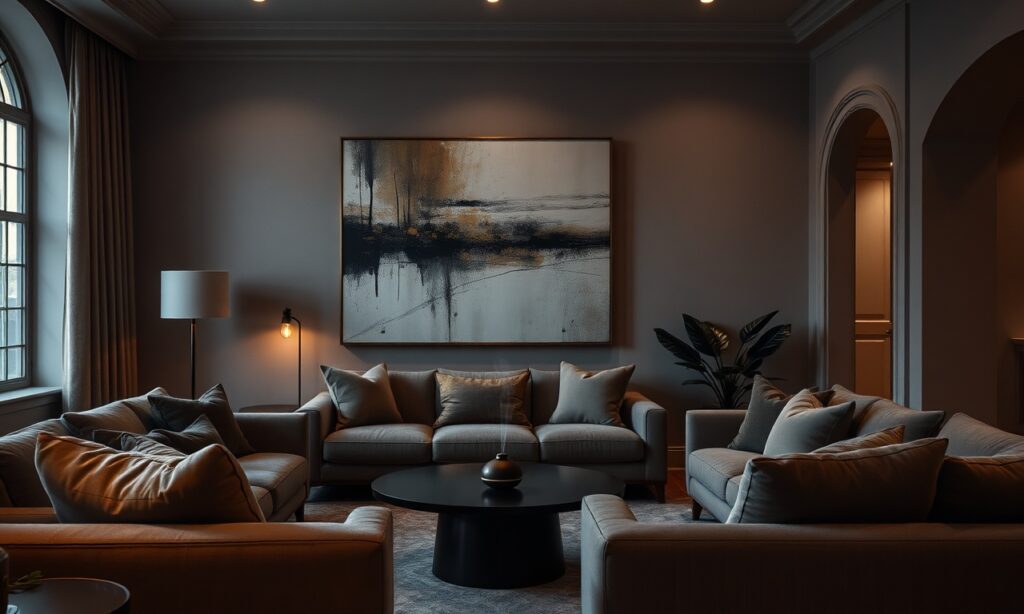
Curating the Perfect Narrative: Art, Décor, and Personal Touches
The final layer of Modern Luxury is the curation of art, décor, and personal touches that imbue a space with soul and individuality. This is where a dream space truly transforms into a reflection of its inhabitants. Art, whether it’s a statement contemporary piece, a collection of vintage photographs, or subtly placed sculptures, adds personality, sparks conversation, and elevates the aesthetic. The selection of art should be deeply personal, resonating with your tastes and experiences.
Décor items should be chosen with intention, serving as accents that complement the overall design rather than overwhelming it. Think of carefully selected decorative objects, luxurious throws and cushions, and high-quality tableware. Each item should contribute to the narrative of the space, telling a story or evoking a memory. This is not about accumulating possessions but about thoughtfully selecting pieces that hold meaning and enhance the lived experience.
Personal touches are what make a house a home, and in Modern Luxury, they are essential. These can range from cherished family heirlooms and travel mementos to custom-designed pieces that are uniquely yours. They are the elements that speak of your journey, your passions, and your life. The most luxurious spaces are those that feel lived-in, authentic, and deeply personal, proof of the individuals who inhabit them.
Expert Steps to Creating Your Modern Luxury Dream Space
Embarking on the creation of a Modern Luxury dream space can feel daunting, but by breaking it down into manageable steps, the process becomes both achievable and enjoyable. These steps are designed to guide you through a thoughtful and intentional design journey.
- Define Your Core Values and Lifestyle Needs: Begin by deeply understanding what “luxury” means to you. This involves introspection about your daily routines, your aspirations, and the emotions you wish to cultivate in your home. Consider how you use your space and what functionalities are paramount. Do you entertain frequently? Do you require a dedicated wellness area? Answering these questions provides the foundation for all subsequent decisions.
- Develop a Cohesive Vision and Aesthetic Direction: Based on your values, create a mood board or visual reference that captures your desired aesthetic. This could involve color palettes, material samples, architectural styles, and inspirational imagery. Consistency in vision prevents design drift and ensures a harmonious outcome. This step is crucial for maintaining focus throughout the project.
- Prioritize Quality Over Quantity in Materials and Furnishings: Instead of filling your space with numerous items, invest in fewer, high-quality pieces. This applies to everything from flooring and countertops to furniture and decorative accessories. Focus on durable, aesthetically pleasing materials and well-crafted items that will stand the test of time. This approach not only enhances the luxury feel but also proves more sustainable in the long run.
- Integrate Technology Thoughtfully and Seamlessly: Identify areas where technology can enhance convenience, security, and comfort. Opt for systems that are intuitive and can be discreetly integrated into the design. Consider smart lighting, climate control, and home entertainment systems. The goal is for technology to serve you, not to dominate the aesthetic or overwhelm the user experience.
- Engage All Senses in the Design Process: Beyond the visual, consider how light, sound, scent, and texture contribute to the overall atmosphere. Layer lighting to create different moods, choose calming or invigorating scents, and incorporate a variety of textures to add depth and tactile interest. Acoustic comfort is also vital for creating a truly serene environment.
- Curate Art, Décor, and Personal Touches with Intention: Select art and decorative items that resonate with your personal narrative and complement your aesthetic vision. These elements should feel deliberate and meaningful, rather than purely decorative. Cherished objects and personal mementos are what truly bring a dream space to life and make it uniquely yours.
- Seek Expert Guidance When Necessary: While personal vision is key, don’t hesitate to consult with interior designers, architects, or specialized craftspeople. Their expertise can help refine your vision, navigate complex technical aspects, and ensure the highest standards of execution. An expert can often bring innovative solutions you might not have considered.
- Embrace the Iterative Nature of Design: Creating a dream space is often a journey, not a destination. Be open to adjustments and refinements as you live in the space. What you initially envisioned may evolve, and that’s part of the creative process. The most luxurious spaces often bear the mark of thoughtful evolution.
The Future of Dream Spaces: Adaptability and Well-being
The concept of the dream space is not static; it is perpetually evolving, influenced by technological advancements, societal shifts, and a deepening understanding of human well-being. As we look ahead, the most luxurious environments will be those that are not only aesthetically pleasing and technologically advanced but also inherently adaptable and deeply supportive of their occupants’ physical and mental health.
The rise of flexible living concepts, driven by changing work patterns and a desire for multi-functional spaces, means that future dream homes will likely feature modular designs and adaptable layouts. Furniture that can be reconfigured, rooms that can serve multiple purposes, and smart systems that learn and anticipate needs will become increasingly common. This adaptability ensures that a space can evolve with its inhabitants, remaining a sanctuary and a source of comfort throughout their lives.
Furthermore, the integration of biophilic design principles—connecting inhabitants with nature—will become even more pronounced. This includes incorporating natural light, living plants, natural materials, and views of the outdoors to foster a sense of calm and improve air quality. Studies have indicated that incorporating just a few houseplants can significantly boost productivity and reduce stress. As our understanding of the profound impact of our environment on our well-being grows, the definition of Modern Luxury will undoubtedly expand to encompass spaces that actively promote health, happiness, and a profound sense of peace.
Frequently Asked Questions
What is the most common mistake people make when trying to create a modern luxury space?
A frequent pitfall is mistaking opulence for luxury. This often results in spaces that feel cluttered, impersonal, or trend-driven rather than genuinely sophisticated and comfortable. Another common error is overreliance on technology without considering its user experience or aesthetic integration. True Modern Luxury is about thoughtful curation, not just accumulation of expensive items.
How can I incorporate sustainability into my modern luxury design without compromising on aesthetics?
Sustainability and luxury are increasingly intertwined. Opt for high-quality, ethically sourced natural materials like reclaimed wood, recycled metals, or organic textiles. Invest in energy-efficient appliances and lighting systems. Many high-end brands now offer sustainable collections that are as beautiful and durable as their conventional counterparts. Choosing bespoke pieces from local artisans can also reduce carbon footprint and support ethical practices.
Is it necessary to hire an interior designer to achieve a modern luxury aesthetic?
While not strictly necessary, an experienced interior designer can be invaluable. They possess the expertise to translate your vision into a cohesive, functional, and aesthetically superior design. They have access to a wider range of resources, can navigate complex technical challenges, and ensure that the final result reflects the highest standards of quality and craftsmanship. However, with thorough research and a clear personal vision, achieving a luxurious outcome independently is also possible.
How important is scale and proportion in modern luxury design?
Scale and proportion are absolutely critical. They dictate the balance and harmony within a space. Oversized or undersized furniture can disrupt the flow and create an uncomfortable atmosphere. Thoughtful consideration of how elements relate to each other and to the overall dimensions of the room is essential for creating a sense of elegant spaciousness and visual comfort. It’s about creating a space that feels perfectly proportioned for its intended use and inhabitants.
What are the key differences between modern luxury and traditional luxury?
Traditional luxury often emphasizes historical styles, ornate details, and opulent materials, often with a more formal and grand presentation. Modern Luxury, conversely, prioritizes clean lines, minimalist aesthetics, functional design, and personalized experiences. While both value quality and craftsmanship, Modern Luxury often incorporates advanced technology, sustainable practices, and a more understated, yet deeply comfortable, elegance. It’s a shift from ostentation to a more nuanced, experiential form of refinement.
Final Recommendations for Your Dream Space
Creating your dream space through the lens of Modern Luxury is a deeply rewarding endeavor. It’s a journey of self-discovery, an investment in your well-being, and an opportunity to craft an environment that truly nurtures your soul. Remember that authenticity is the ultimate currency of luxury. Strive to create spaces that are not only visually stunning but also deeply functional, comfortable, and reflective of your unique narrative. Embrace quality, prioritize craftsmanship, and integrate technology and sensory elements with intention. Your dream space should be a sanctuary, a source of inspiration, and proof of a life lived with purpose and refined taste.
See also: Modern Luxury