
The Genesis of a Harmonious Home
Imagine walking into a room that instantly soothes your senses, a space that mirrors your personality and whispers tales of comfort and elegance. This isn’t a fantasy; it’s the profound impact of thoughtful home decor. It’s more than just arranging furniture or selecting paint colors; it’s the art of curating an environment that enhances your well-being, fosters connection, and reflects your unique journey. For many, the prospect of styling their home can feel daunting, a labyrinth of trends, budgets, and personal taste. Yet, at its core, the pursuit of a beautifully styled space is an exploration of self, an opportunity to imbue your surroundings with intention and joy.
- The Genesis of a Harmonious Home
- Key Insights & Takeaways
- Foundational Pillars of Exceptional Home Decor
- Balance: The Art of Visual Equilibrium
- Scale and Proportion: The Harmony of Size
- Color Theory: Painting Your Emotional Landscape
- Rhythm and Repetition: Creating Flow and Cohesion
- Crafting Your Personal Style: Beyond Fleeting Trends
- The Power of Personalization
- Exploring Diverse Aesthetic Avenues
- The Art of Curation: Selecting Pieces with Intention
- The Crucial Role of Lighting in Home Decor
- Bringing it All Together: Texture, Art, and Personal Touches
- Budget-Friendly Strategies for a Styled Space
- Frequently Asked Questions
- What is the most important principle in home decor?
- How do I find my personal home decor style?
- Is it better to follow home decor trends or stick to timeless design?
- How can I make a small space feel larger with home decor?
- What are the best ways to incorporate color into my home decor?
- Final Recommendations for a Styled Sanctuary
Wikipedia: Contents — Wikipedia
When it comes to Home Decor, A truly beautiful home isn’t merely decorated; it’s an extension of the soul, a curated narrative of lived experiences and aspirations.
In the context of Home Decor, This guide is designed to demystify the process, offering an expert perspective on how to achieve a home that is both aesthetically pleasing and deeply personal. We will navigate the essential principles, explore practical strategies, and uncover the nuanced details that elevate a house into a cherished home.
Key Insights & Takeaways
- Purposeful Curation: Home decor is an act of intentionality, reflecting personality and enhancing well-being, not just aesthetics.
- Foundation First: Understanding core design principles like balance, scale, and color theory provides a robust framework for any style.
- Layered Approach: Building a compelling space involves layering textures, lighting, and personal elements over a solid foundation.
- Authenticity Over Trends: While trends can inspire, a truly timeless and beautiful home prioritizes personal style and comfort.
Foundational Pillars of Exceptional Home Decor
Around Home Decor, Before diving into specific styles or trends, a solid understanding of fundamental design principles is paramount. These are the invisible threads that weave cohesive and visually pleasing spaces together. Neglecting them can lead to rooms that feel disjointed, overwhelming, or simply “off,” regardless of how expensive the individual pieces are. Mastering these concepts allows for flexibility and personal expression within a structured, harmonious framework.
Balance: The Art of Visual Equilibrium
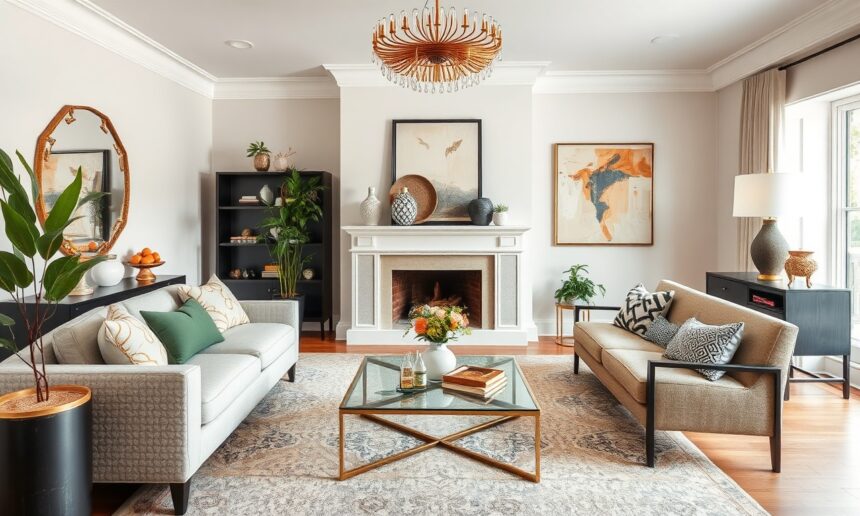
Balance in home decor refers to the distribution of visual weight within a space. It’s about creating a sense of stability and harmony. There are three primary types: symmetrical, asymmetrical, and radial. Symmetrical balance involves mirroring elements on either side of a central axis, creating a formal and traditional feel. Think of two identical sofas flanking a fireplace. Asymmetrical balance, on the other hand, achieves equilibrium using dissimilar objects with equal visual weight. A large sofa balanced by two armchairs and a side table on the opposite side exemplifies this. This approach often feels more dynamic and contemporary. Radial balance centers elements around a focal point, like a round dining table with chairs arranged around it.
Regarding Home Decor, Understanding these types helps prevent a room from feeling lopsided or visually heavy in one area.
Scale and Proportion: The Harmony of Size
When it comes to Home Decor, Scale refers to the size of an object in relation to the overall space, while proportion concerns the relationship between the sizes of different objects within the space. A colossal sofa in a tiny living room will overwhelm the area, making it feel cramped. Conversely, a minuscule armchair in a vast room can look lost and insignificant. Similarly, if your artwork is too small for the wall it hangs on, it will appear disproportionate and insignificant. Proportions are also critical; the height of a coffee table relative to your sofa, or the width of a rug compared to your seating arrangement, all contribute to the visual coherence of the room.
In the context of Home Decor, Aim for pieces that feel appropriate in size for the room and in relation to each other.
Color Theory: Painting Your Emotional Landscape
Color is arguably the most powerful tool in home decor. It influences mood, perception of space, and overall ambiance. Understanding the color wheel, the concepts of warm and cool colors, and the impact of saturation and value is crucial. Warm colors (reds, oranges, yellows) tend to advance and create a sense of coziness and energy, while cool colors (blues, greens, purples) recede, making spaces feel larger and more serene. Neutrals (whites, grays, beiges, blacks) provide a versatile backdrop and can be layered to create depth and sophistication. The 60-30-10 rule is a widely accepted guideline: 60% of the room should be a dominant color, 30% a secondary color, and 10% an accent color.
This ensures a balanced and pleasing color scheme.
Rhythm and Repetition: Creating Flow and Cohesion
Around Home Decor, Rhythm in design is achieved through the repetition of elements – colors, shapes, or textures – to create a sense of movement and visual interest. This repetition guides the eye through the space, connecting different elements and preventing monotony. For example, repeating a specific accent color in throw pillows, artwork, and decorative objects can tie a room together beautifully. The same can be true for repeating a particular shape, like a curved leg on a chair and a circular motif in a rug. This creates a visual flow that makes the space feel more intentional and less chaotic.
Regarding Home Decor, 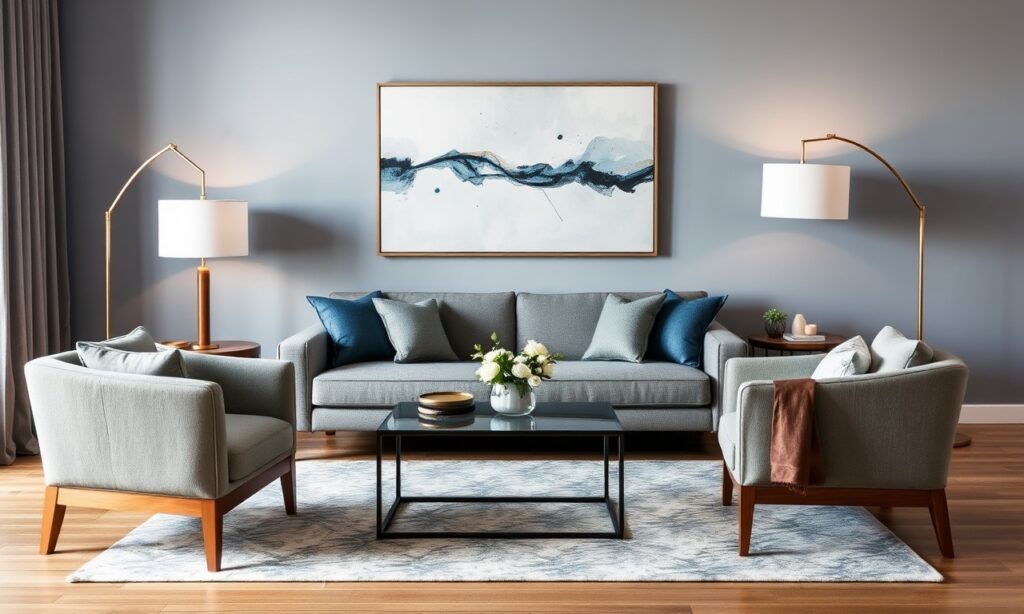
Crafting Your Personal Style: Beyond Fleeting Trends
While trends can offer inspiration and a refreshing perspective, a truly beautiful and enduring home decor style is deeply personal. It’s about curating a space that resonates with your life, your memories, and your aspirations, rather than simply chasing the latest fad. Developing this personal style requires introspection and a willingness to experiment.
The Power of Personalization
Authentic home decor goes beyond assembling perfectly matched furniture. It’s about infusing your space with elements that tell your story. This includes displaying cherished photographs, showcasing souvenirs from travels, or incorporating inherited pieces that hold sentimental value. These personal touches are what transform a house into a home, creating a unique sanctuary that reflects your journey and identity. Research consistently shows that personalized environments contribute to a greater sense of belonging and psychological well-being. Studies suggest that individuals report higher levels of satisfaction and comfort in spaces that they have been able to personalize.
Exploring Diverse Aesthetic Avenues
When it comes to Home Decor, The world of interior design offers a diverse mix of styles, each with its own philosophy and aesthetic. Understanding these can help you identify what resonates most with you.
- Modern: Characterized by clean lines, minimalist aesthetics, and a focus on functionality. Materials like metal, glass, and polished wood are common.
- Contemporary: This style is always evolving, reflecting current design trends. It often blends elements of modernism with organic shapes and softer finishes.
- Bohemian (Boho): Embraces a relaxed, eclectic, and unconventional approach, often featuring vibrant colors, layered textiles, and an abundance of plants.
- Scandinavian: Emphasizes simplicity, functionality, and a connection to nature. Think light wood tones, neutral palettes, and cozy textiles.
- Industrial: Draws inspiration from warehouses and factories, featuring exposed brick, metal accents, and raw, unfinished materials.
- Transitional: A harmonious blend of traditional and modern design elements, offering a timeless and comfortable aesthetic.
In the context of Home Decor, Consider which of these descriptions, or combinations thereof, sparks your interest. What colors, textures, and moods do you find most appealing? Often, your personal style is a nuanced fusion rather than a strict adherence to a single category.
The Art of Curation: Selecting Pieces with Intention
Around Home Decor, Once you have a clearer sense of your desired aesthetic, the art of selection becomes paramount. Instead of impulse purchases, focus on acquiring pieces that serve a purpose, align with your style, and are built to last. This might mean investing in a high-quality sofa that will be the centerpiece of your living room, or finding a unique vintage armchair that adds character. Prioritize quality over quantity, and remember that each item you bring into your home should contribute positively to the overall vision.
The Crucial Role of Lighting in Home Decor
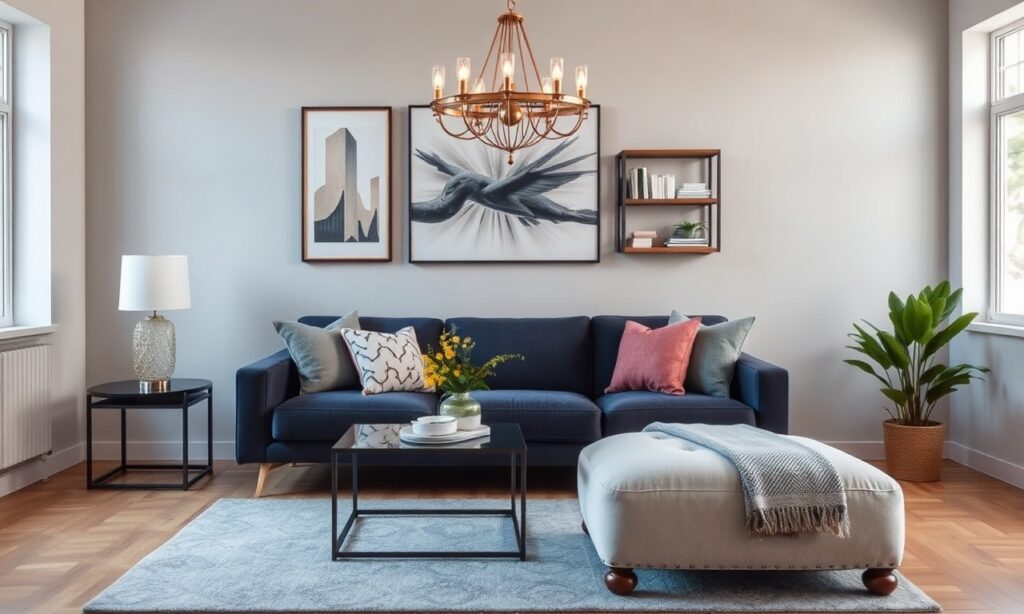
Lighting is often an overlooked yet critical component of successful home decor. It has the power to transform the mood, highlight architectural features, and enhance the functionality of a space. Poor lighting can make even the most beautifully furnished room feel cold, unwelcoming, or even claustrophobic. A well-lit space, conversely, feels inviting, dynamic, and comfortable.
Layering Light for Ambiance and Functionality
Regarding Home Decor, Effective lighting design typically involves layering different types of light to create a well-rounded and adaptable environment.
- Ambient Lighting: This is the general, overall illumination of a room. Think ceiling fixtures, recessed lighting, or floor lamps that cast a broad light. It provides the base level of brightness.
- Task Lighting: This is focused light directed at specific areas where activities take place, such as reading, cooking, or working. Examples include pendant lights over a kitchen island, desk lamps, or sconces next to a reading chair.
- Accent Lighting: This type of lighting is used to highlight specific features or objects, such as artwork, architectural details, or plants. Track lighting, spotlights, or picture lights fall into this category, adding depth and visual interest.
The interplay between these layers allows you to adjust the mood of a room throughout the day and for different occasions. Dimming capabilities on ambient lights, for instance, can easily transition a space from a bright daytime setting to a cozy evening ambiance.
The Impact of Color Temperature
Beyond the quantity of light, its quality, specifically its color temperature, significantly impacts the perceived atmosphere. Color temperature is measured in Kelvin (K).
- Warm White (2700K-3000K): Emits a soft, yellowish light that mimics natural candlelight or incandescent bulbs. It’s ideal for creating a cozy, relaxing, and inviting atmosphere in living rooms, bedrooms, and dining areas.
- Cool White (3500K-4100K): Offers a more neutral, slightly bluish-white light. It’s good for kitchens, bathrooms, and workspaces where clarity and brightness are important.
- Daylight (5000K-6500K): Provides a bright, crisp, bluish-white light that closely resembles natural daylight. This is best for task-oriented areas like garages or workshops where high visibility is crucial.
Choosing the right color temperature for different areas of your home is essential for achieving the desired mood and functionality. For example, using daylight bulbs in a bedroom can make it feel sterile and uninviting, while warm white in a kitchen might make food preparation feel less precise.
Bringing it All Together: Texture, Art, and Personal Touches
With a grasp of foundational principles and a clear sense of personal style, the next step involves layering elements that add depth, character, and warmth to your home decor. Texture, art, and carefully chosen personal items are the elements that truly bring a space to life.
The Symphony of Textures
Texture adds a tactile and visual dimension that can make a room feel richer and more inviting. Without varied textures, a space can feel flat and uninteresting. Think about incorporating a mix of smooth and rough, soft and hard, matte and shiny surfaces.
- Soft Textures: Plush rugs, velvet or chenille upholstery, knitted throws, and linen curtains introduce comfort and coziness.
- Natural Textures: Wood grain, rattan, jute, stone, and exposed brick add organic warmth and a connection to nature.
- Smooth/Sleek Textures: Polished metal, glass, lacquered finishes, and smooth ceramics can add a touch of modern sophistication and contrast.
The key is to create a balanced interplay. For instance, a room with a lot of hard surfaces like a leather sofa and a glass coffee table might benefit from the addition of a soft, woven rug and some chunky knit pillows to soften the overall feel.
The Power of Art and Wall Decor
Art is a powerful form of self-expression and a crucial element in home decor. It can serve as a focal point, add color, introduce personality, and evoke emotion. Whether you prefer bold abstract paintings, delicate watercolors, striking photography, or even a curated gallery wall of personal photos, art has the ability to elevate a space. When selecting art, consider the scale of your walls, the existing color palette, and the overall mood you wish to create. Don’t be afraid to mix and match styles or to choose pieces that speak to you on a personal level.
The Intangible Elements: Scent and Sound
While not visually apparent, scent and sound play a significant role in the overall sensory experience of a home and are integral to creating a truly inviting atmosphere. The subtle aroma of a favorite candle or diffuser can enhance feelings of relaxation or alertness, depending on the chosen fragrance. Similarly, the right background music or the quiet hum of a well-functioning home can contribute to a sense of peace and well-being. These elements, though intangible, are powerful tools in shaping the emotional landscape of your living space.
Budget-Friendly Strategies for a Styled Space
Achieving a beautifully styled home doesn’t necessitate an exorbitant budget. With creativity and strategic planning, you can create a sophisticated and personalized space without overspending.
The Art of Strategic Shopping
- Thrift Stores and Flea Markets: These are treasure troves for unique furniture pieces, decorative accents, and vintage finds that can add character and save money.
- DIY Projects: Revamping old furniture with paint, updating hardware, or creating your own wall art can be incredibly rewarding and cost-effective.
- Sales and Discount Retailers: Keep an eye out for seasonal sales, clearance events, and discount home goods stores for significant savings on furniture and decor.
- Prioritize Key Pieces: Invest in one or two high-quality, impactful pieces that will anchor your room (e.g., a comfortable sofa, a statement rug) and fill in the rest with more budget-friendly items.
The Impact of Paint and Greenery
A fresh coat of paint is one of the most transformative and affordable ways to update a space. It can instantly change the mood and perceived size of a room. Similarly, incorporating plants not only adds a touch of nature and vibrancy but also improves air quality. Many common houseplants are relatively inexpensive and can significantly enhance the aesthetic appeal of your home decor.
Embrace Imperfection and Character
Not every item needs to be brand new or perfectly matched. Embracing vintage pieces, slightly worn items with character, or even a few DIY imperfections can lend a unique and authentic charm to your home. This approach often results in a more lived-in and welcoming atmosphere than a space that feels overly curated and sterile.
Frequently Asked Questions
What is the most important principle in home decor?
While all design principles are interconnected, arguably the most crucial is understanding balance. Achieving visual equilibrium ensures that a space feels harmonious and comfortable. Without balance, even the most beautiful individual elements can feel jarring or out of place, detracting from the overall aesthetic and the user’s experience within the space.
How do I find my personal home decor style?
Discovering your personal style involves introspection and exploration. Start by saving images of rooms you admire from magazines, Pinterest, or Instagram. Look for common themes in color palettes, furniture styles, and overall moods. Consider what makes you feel most comfortable and inspired in your current surroundings. Experimenting with different elements and seeing how they make you feel is also key. Don’t be afraid to blend styles; most people have a unique fusion rather than a single, strict aesthetic.
Is it better to follow home decor trends or stick to timeless design?
A balanced approach is often best. Timeless design principles and classic pieces provide a strong foundation that will endure for years. Trends can offer exciting ways to update your space and inject personality, but it’s wise to incorporate them through more easily changeable elements like accessories, throw pillows, or artwork, rather than expensive, large-scale furniture. This allows you to stay current without committing to something you might outgrow quickly.
How can I make a small space feel larger with home decor?
Several home decor strategies can make a small space feel more expansive. Use light, neutral colors on walls and for large furniture pieces to create an airy feel. Employ mirrors strategically to reflect light and create an illusion of depth. Opt for furniture with legs, which allows light and air to flow underneath, making the room feel less crowded. Vertical storage solutions can also draw the eye upward, creating a sense of height. Decluttering and minimizing unnecessary items are also paramount.
What are the best ways to incorporate color into my home decor?
Color can be introduced in numerous ways, from bold statements to subtle accents. The 60-30-10 rule is a good guideline: 60% of your room in a dominant color (often walls or large furniture), 30% in a secondary color, and 10% as an accent color in smaller decorative items like pillows, vases, or artwork. You can also experiment with accent walls, colorful rugs, or vibrant upholstery. Consider the mood you want to create; warm colors are energizing, while cool colors are calming.
Final Recommendations for a Styled Sanctuary
Embarking on the journey of styling your home is an ongoing, rewarding process. It’s about creating a space that not only looks beautiful but also feels like a true sanctuary, a place that nurtures your spirit and supports your lifestyle. Remember to approach home decor with intention, allowing your personality to guide your choices. Don’t be afraid to experiment, to mix and match, and to infuse your space with elements that hold personal meaning. The most successful homes are those that tell a story – your story. Prioritize quality, layer thoughtfully, and always, always listen to what makes *you* feel most at home.
See also: Home Decor