
Shared Bedroom: Beyond the Basics – Crafting a Sanctuary of Style
The shared bedroom. For many, it conjures images of cramped quarters, clashing personalities, and a constant negotiation for personal space. Yet, for countless individuals, couples, and families, it’s a necessity, a fundamental aspect of living. The true artistry of a shared bedroom lies not in its inherent limitations, but in the thoughtful design that transforms it from a mere functional space into a harmonious sanctuary. What elevates a shared bedroom from merely adequate to truly sharp? It’s a nuanced blend of psychological understanding, aesthetic intelligence, and practical ingenuity, all woven together to cater to the distinct needs and desires of its occupants.
- Shared Bedroom: Beyond the Basics – Crafting a Sanctuary of Style
- The Foundational Pillars of a Striking Shared Bedroom
- Maximizing Space and Functionality: Clever Design Solutions
- Aesthetic Harmony: Blending Styles for Cohesive Design
- Integrating Technology and Smart Solutions
- Frequently Asked Questions
- What is the most crucial factor in designing a shared bedroom?
- How can I visually divide a shared bedroom without building walls?
- Is it advisable to use bold colors in a shared bedroom?
- What are the best storage solutions for a shared bedroom?
- How can technology improve a shared bedroom experience?
- Final Recommendations: Crafting Your Personal Sanctuary
Wikipedia: Contents — Wikipedia
This isn’t about simply shoving two beds into a room and calling it a day. It’s about creating an environment where individuals can coexist peacefully, find personal respite, and even foster a deeper sense of connection. The most successful shared bedrooms are those that acknowledge the inherent duality of their purpose: providing individual comfort while fostering collective harmony. They are spaces that speak to compromise, creativity, and a profound understanding of the people who inhabit them.
“The art of a shared bedroom is mastering the delicate balance between individual sanctuary and collective harmony, transforming necessity into an intentional design statement.”
The Foundational Pillars of a Striking Shared Bedroom
Before a single piece of furniture is moved or a paintbrush is selected, the most crucial element of shared bedroom design is understanding the inhabitants. This is where experience and expertise truly converge. Who are the occupants? What are their ages, lifestyles, and, most importantly, their individual needs and preferences? A shared bedroom for siblings will differ vastly from one for a couple, or even two friends sharing an apartment. The foundational understanding of these dynamics dictates every subsequent design decision.
For instance, siblings might require distinct zones for play and study, each with its own storage solutions and visual cues to delineate personal territory. A couple, on the other hand, might prioritize a sense of romance, calm, and shared relaxation, with elements that promote intimacy and comfort. Ignoring these fundamental human factors is the quickest route to a design that feels sterile, functional but devoid of soul, or worse, a source of ongoing friction.
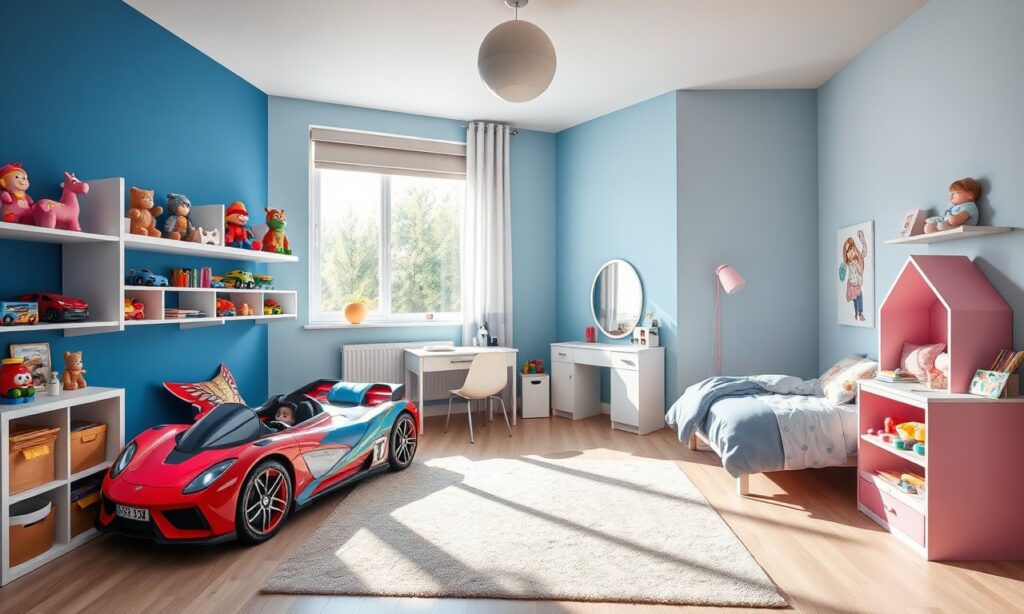
A critical aspect often overlooked is the psychological impact of color and light. Research consistently shows that color palettes can profoundly influence mood and perception. According to recent research, blues and greens are often associated with calmness and relaxation, making them excellent choices for a shared sleeping space where rest is paramount. Conversely, vibrant reds or oranges, while energizing, might be better reserved for accent pieces rather than dominant wall colors in a shared bedroom environment, unless specifically desired by the occupants for specific therapeutic reasons. The interplay of natural and artificial light also plays a significant role.
Maximizing natural light can make a room feel larger and more inviting, while carefully chosen artificial lighting can create different moods for various activities, from bright task lighting for reading to soft ambient light for winding down.
Defining Individual Territories: The Art of Personalization
Within the shared space, the creation of distinct personal zones is paramount to fostering a sense of ownership and respect. This doesn’t necessarily mean building literal walls, but rather employing clever design strategies to demarcate individual areas. This can be achieved through various means, from the strategic placement of furniture to the use of color, texture, and lighting. For instance, the headboard of each bed can act as a natural divider, especially if supplemented by a small bedside table or a strategically placed floor lamp.
Consider a shared bedroom occupied by two university students. One might be an early riser who needs a quiet corner for studying with ample task lighting, while the other might be a night owl who prefers a dimmer ambiance for reading. The design must accommodate these differing rhythms. This could involve using a room divider – perhaps a stylish bookshelf or a decorative screen – to create a visual and psychological separation between their sleeping and study areas. Each zone can then be personalized with elements that reflect the individual’s taste, such as posters, artwork, or unique decorative items.
The concept of “visual clutter” is also a significant consideration. In a shared space, what one person finds organized, another might see as chaos. Therefore, robust and clearly defined storage solutions are non-negotiable. This means ample drawer space, closet organizers, and perhaps even under-bed storage solutions. Each individual should have their own dedicated storage that is clearly labeled or understood, preventing the encroachment of one person’s belongings into another’s space. This fosters a sense of order and minimizes potential conflict arising from disorganization.
Maximizing Space and Functionality: Clever Design Solutions
The reality of many shared bedrooms is limited square footage. This is where ingenious design solutions become the cornerstone of a sharp aesthetic. Multifunctional furniture is not just a trend; it’s a necessity. Think about beds with built-in drawers or storage ottomans that serve as both seating and repositories for linens or seasonal clothing. Vertical space is also your ally. Tall bookshelves, wall-mounted shelving units, and even loft beds can significantly expand usable floor space, creating distinct zones for sleeping, storage, and even a small seating area.
One particularly effective strategy is the use of a shared dresser or wardrobe that is clearly divided into sections for each occupant. This avoids the awkwardness of sharing drawers and ensures that personal items remain private and organized. When space is at an absolute premium, consider the innovative use of Murphy beds or sofa beds, especially if the shared bedroom also serves as a guest room or a multipurpose space. These can be cleverly integrated into custom cabinetry, appearing as a bookshelf or a decorative wall unit when not in use, thus reclaiming valuable floor space during waking hours.
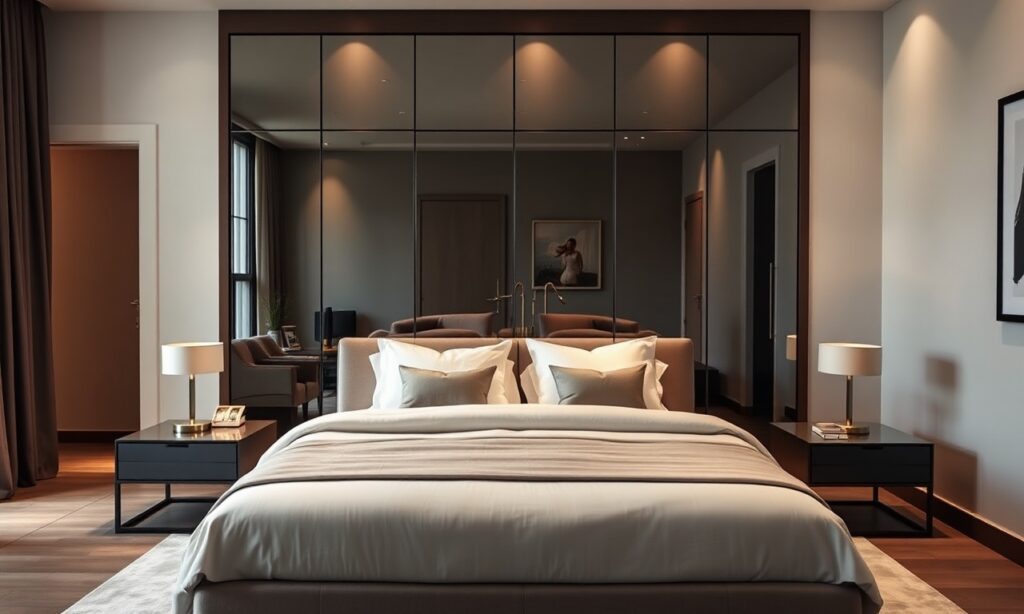
The strategic placement of mirrors can also work wonders in a small shared bedroom. As noted by interior design experts, mirrors not only provide a practical function but also create an illusion of greater space by reflecting light and the room’s existing features. A well-placed full-length mirror can make a compact room feel significantly larger and more open. Furthermore, consider the impact of furniture scale. Oversized, bulky furniture can quickly overwhelm a small room, making it feel cramped and claustrophobic. Opt for pieces with clean lines and a smaller footprint that are proportionate to the room’s dimensions.
Lighting is often the most underestimated element in shared bedroom design, yet it holds immense power in shaping the room’s atmosphere and functionality. A single overhead light fixture rarely suffices. Instead, a layered lighting approach is essential, incorporating ambient, task, and accent lighting. Ambient lighting provides general illumination, typically from ceiling fixtures or wall sconces. Task lighting is crucial for specific activities like reading or working, with bedside lamps or desk lamps being prime examples. Accent lighting can highlight decorative features or create a mood, such as small LED strip lights under a bed frame or within shelves.
For shared bedrooms, individual control over lighting is a significant advantage. This means ensuring each occupant has their own bedside lamp with an independent switch, allowing them to read or work without disturbing their partner or sibling. Smart lighting systems offer an even more advanced level of control, allowing for customizable schedules, brightness levels, and even color temperatures, catering to diverse needs and preferences throughout the day and night.
The type of bulb used also matters. Warmer color temperatures (around 2700K-3000K) tend to create a more relaxing and cozy atmosphere, ideal for bedrooms, while cooler temperatures (above 4000K) are more stimulating and better suited for task lighting. A thoughtful combination of these can transform the shared bedroom from a utilitarian space into a haven of personalized comfort.
Aesthetic Harmony: Blending Styles for Cohesive Design
One of the most significant challenges in shared bedroom design is reconciling potentially divergent aesthetic preferences. The key to achieving aesthetic harmony isn’t about one person completely dominating the other’s style, but rather finding common ground or creating a neutral backdrop that allows for individual expression within a cohesive whole. This often involves establishing a base color palette and then layering in personalized elements.
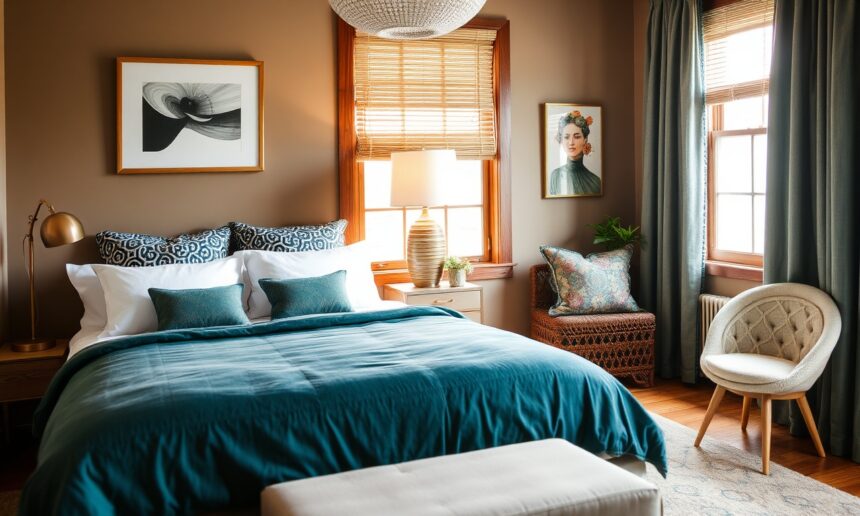
A neutral base – think soft grays, muted blues, or warm beiges – can serve as an excellent canvas. From there, each occupant can introduce their preferred colors and textures through bedding, throw pillows, curtains, and artwork. For instance, if one occupant prefers a minimalist aesthetic and the other leans towards a more bohemian style, a neutral base allows for the introduction of clean-lined furniture alongside more textured, organic accessories. The goal is to create a balanced look that feels intentional, not chaotic.
Consider the power of texture. Introducing a variety of textures – from soft throws and plush rugs to woven baskets and smooth wooden furniture – can add depth and visual interest without relying solely on bold colors. This can bridge stylistic gaps by appealing to different sensory preferences. Furthermore, consistent hardware and finishes can unify disparate pieces of furniture, creating a more polished and cohesive appearance. If one person loves antique brass and the other prefers brushed nickel, finding a middle ground or using one finish predominantly while incorporating the other as an accent can maintain a sense of unity.
While neutral palettes offer a safe and effective foundation, strategic use of color and pattern can inject personality and dynamism into a shared bedroom. If both occupants have a fondness for a particular color, it can be used liberally. However, if tastes diverge significantly, consider a compromise: one person’s favorite color could be the dominant hue in their designated zone, while the other’s preference is used as an accent in theirs, or both colors are incorporated thoughtfully into shared elements like a rug or a piece of art.
Patterns, too, can be a point of contention. Bold, geometric patterns might appeal to one person, while another prefers delicate florals or abstract designs. The trick here is scale and balance. A large, bold pattern on one wall can be balanced by smaller, more subdued patterns in soft furnishings. Alternatively, a neutral pattern, such as a subtle stripe or a tone-on-tone damask, can provide visual interest without overwhelming the space.
Ultimately, the most successful shared bedroom designs are those that feel like a collaborative effort. Open communication and a willingness to compromise are as vital as any design tool. When both occupants feel their preferences have been acknowledged and integrated, the space becomes a true reflection of their shared life, rather than a battleground of competing tastes.
Integrating Technology and Smart Solutions
In the modern era, technology plays an increasingly integral role in our living spaces, and the shared bedroom is no exception. Smart home devices can offer unprecedented levels of convenience and personalization, further enhancing the functionality and comfort of a shared environment. This can range from smart lighting systems that allow for individual control and customizable schedules to smart thermostats that maintain optimal sleeping temperatures for each occupant.
Consider the integration of charging stations for multiple devices. Instead of a tangle of cords on bedside tables, a well-designed charging hub or integrated USB ports in furniture can streamline the space and reduce visual clutter. For shared bedrooms where one occupant might be a light sleeper, noise-canceling technology, such as high-quality earbuds or even integrated sound machines, can be invaluable. Similarly, smart blinds or curtains can be programmed to open and close at specific times, gently waking occupants and allowing natural light to flood the room without manual intervention.
The placement of technology is also a design consideration. Integrated speakers for music or ambient sound can enhance relaxation or provide a gentle wake-up call. Smart displays can offer weather updates, news, or even act as digital photo frames, adding a personal touch. However, it’s crucial to strike a balance. Too much technology can make a bedroom feel less like a sanctuary and more like an office or control center. The key is to integrate technology seamlessly and unobtrusively, ensuring it serves to enhance comfort and convenience without becoming a distraction.
Frequently Asked Questions
What is the most crucial factor in designing a shared bedroom?
The most crucial factor is understanding and respecting the individual needs, preferences, and lifestyles of all occupants. This foundational understanding guides all subsequent design decisions, ensuring the space is both functional and harmonious.
How can I visually divide a shared bedroom without building walls?
Visual division can be achieved through strategic furniture placement (e.g., using the headboard as a divider), room screens, tall bookshelves, differing rug placements, or even distinct color palettes within designated zones.
Is it advisable to use bold colors in a shared bedroom?
Bold colors can be effective if used thoughtfully as accents or within specific zones, especially if both occupants agree on their use. However, for the primary color palette, neutrals often provide a more harmonious and adaptable base in shared spaces.
What are the best storage solutions for a shared bedroom?
Prioritize multifunctional furniture with built-in storage, utilize vertical space with shelving, and ensure clearly defined, individual storage compartments for each occupant to prevent clutter and maintain order.
How can technology improve a shared bedroom experience?
Technology can enhance comfort through smart lighting with individual controls, smart thermostats for personalized temperature settings, integrated charging stations, and sound machines or noise-canceling solutions for better sleep.
Final Recommendations: Crafting Your Personal Sanctuary
The shared bedroom, far from being a compromise, can be an opportunity for creative expression and enhanced living. By prioritizing open communication, understanding individual needs, and employing clever design strategies, you can transform any shared sleeping space into a sanctuary of style, comfort, and harmony. Remember that the most successful designs are not about imposing a single vision, but about a collaborative effort that respects the individuality of each occupant while fostering a sense of unity. Embrace the challenge, experiment with solutions, and most importantly, create a space that truly reflects the people who call it home.
See also: Shared Bedroom