

The Subtle Power of Minimalism in Home Design
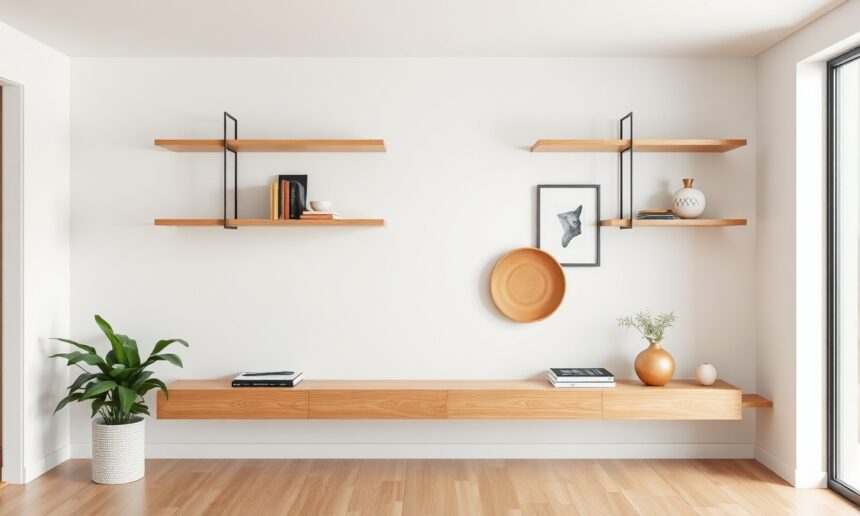
Imagine walking into a room where every item feels intentionally placed, where the walls breathe with a quiet elegance, and where storage solutions don’t scream for attention but rather recede into the background. This is the promise of minimalist design, and at its heart lies the art of the minimalist floating shelf. These seemingly simple architectural elements possess a remarkable capacity to declutter, display, and define a space, offering a sophisticated solution for modern living. They are not merely functional; they are statements of refined taste, capable of elevating a humble abode into a curated sanctuary.
- The Subtle Power of Minimalism in Home Design
- Minimalist Floating Shelves: Defining the Aesthetic
- Choosing the Right Minimalist Floating Shelf for Your Space
- Material Matters: Wood, Metal, and Beyond
- Size and Scale: Proportion is Key
- Weight Capacity: Functionality First
- Installing Minimalist Floating Shelves: A Step-by-Step Approach
- Gathering Your Tools and Materials
- Locating Wall Studs and Planning Placement
- Securing the Bracket and Mounting the Shelf
- Integrating Minimalist Floating Shelves into Your Décor
- Creating Visually Appealing Displays
- Strategic Placement for Maximum Impact
- The Art of the Single Statement Piece
- Maintenance and Longevity of Minimalist Floating Shelves
- Minimalist Floating Shelves vs. Traditional Shelving
- Frequently Asked Questions
- Can minimalist floating shelves support heavy items?
- What is the best material for minimalist floating shelves?
- How do I clean minimalist floating shelves without damaging them?
- Are minimalist floating shelves difficult to install?
- How far apart should minimalist floating shelves be placed?
- Final Recommendations for a Polished Home
Wikipedia: Contents — Wikipedia
When it comes to Minimalist Floating, The allure of floating shelves lies in their inherent ability to appear as if they are magically suspended, their support systems ingeniously concealed, creating an illusion of lightness and an uncluttered aesthetic that is paramount in today’s design-conscious world.
Minimalist Floating Shelves: Defining the Aesthetic
Minimalist floating shelves are characterized by their clean lines, absence of visible hardware, and often, their slender profiles. Unlike traditional bracketed shelves, the mounting mechanism for floating shelves is concealed within the shelf itself or the wall, allowing the shelf to appear as if it’s an extension of the wall. This smoothly connect is what lends them their minimalist appeal. They are designed to be unobtrusive, allowing the objects displayed upon them to take center stage. The material choice is also crucial; natural woods, sleek lacquered finishes, or even subtle metals can contribute to the minimalist ethos. The key is simplicity and a focus on form and function, eschewing ornamentation for pure, unadulterated design.
In the context of Minimalist Floating, Studies show that the perception of space can be significantly enhanced by the strategic use of visual elements that minimize perceived clutter, with floating shelves being a prime example of such an element.
Minimalist floating shelves don’t just hold your belongings; they curate your life, transforming mere objects into intentional displays that speak to your personal style and appreciation for understated elegance.
This principle extends beyond mere aesthetics. In a world increasingly saturated with visual noise, the clarity and order provided by minimalist floating shelves can foster a sense of calm and control within the home environment. They encourage a more mindful approach to possessions, prompting homeowners to select and display items that are truly meaningful or visually pleasing, rather than allowing clutter to accumulate. This intentional curation is a cornerstone of sophisticated interior design and contributes to a palpable sense of tranquility.
The Psychology of Space and Decluttering
The psychological impact of a well-organized and uncluttered living space cannot be overstated. Research indicates a strong correlation between organized environments and reduced stress levels, improved mood, and enhanced cognitive function. Minimalist floating shelves are instrumental in achieving this psychological benefit by providing a dedicated, visually appealing space for storage and display that actively combats the tendency towards clutter. By creating distinct zones for items, they make it easier to maintain order and a sense of calm. The visual “breathing room” that floating shelves create can make even small spaces feel larger and more open, contributing to an overall feeling of spaciousness and ease.
Choosing the Right Minimalist Floating Shelf for Your Space
The selection process for minimalist floating shelves involves several key considerations, each contributing to the overall success of the installation and the aesthetic outcome. It’s not simply about picking a shelf; it’s about understanding how it will integrate with your existing décor, the weight it needs to support, and the intended function.
Material Matters: Wood, Metal, and Beyond
Around Minimalist Floating, The material of your floating shelf will profoundly influence its visual impact and its suitability for different environments.
- Wood: Natural wood shelves, whether solid oak, walnut, or pine, bring warmth and organic texture. They can be finished in various stains or left natural to highlight the wood grain, aligning perfectly with biophilic design principles. For a truly minimalist look, consider a smooth, matte finish.
- Lacquered Finishes: High-gloss or matte lacquered shelves offer a sleek, contemporary feel. They are excellent for a modern, sophisticated aesthetic and can be found in a spectrum of colors, allowing for subtle integration or a deliberate design accent.
- Metal: Brushed aluminum, stainless steel, or powder-coated steel shelves provide an industrial or ultra-modern edge. They are exceptionally durable and can offer a striking contrast to softer interior elements.
- Composite Materials: Engineered wood or MDF shelves are often more budget-friendly and can be finished to mimic higher-end materials, offering versatility in design and a lighter weight for installation.
Size and Scale: Proportion is Key
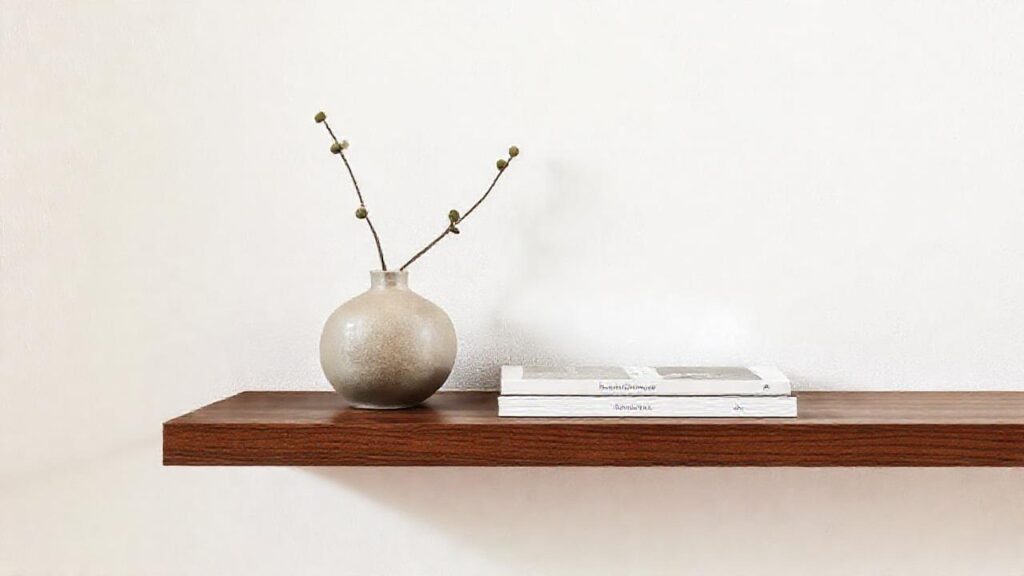
Regarding Minimalist Floating, The dimensions of your floating shelves should be in harmony with the wall space and the overall room scale. Oversized shelves can overwhelm a small room, while undersized ones can look lost on a large expanse of wall.
- Depth: A typical floating shelf depth ranges from 6 to 10 inches. Deeper shelves can accommodate larger items, but shallower shelves often enhance the minimalist aesthetic by appearing more delicate.
- Length: Consider the length of the wall and the visual balance. A single, long shelf can create a dramatic horizontal line, while multiple shorter shelves can offer a more dynamic arrangement.
- Thickness: Thicker shelves convey a sense of solidity and strength, suitable for heavier items. Thinner shelves project a more ethereal, modern feel.
Weight Capacity: Functionality First
When it comes to Minimalist Floating, Before falling in love with a shelf’s appearance, it’s imperative to understand its weight-bearing capabilities. This is directly related to the mounting hardware and the wall structure.
- Internal Brackets: Most high-quality floating shelves utilize robust internal metal brackets that are secured to wall studs or use heavy-duty drywall anchors. The manufacturer’s stated weight capacity is a critical piece of information.
- Wall Type: Installation in drywall requires finding studs for maximum support. Plaster or concrete walls may require different anchoring systems.
- Intended Use: If you plan to display heavy items like substantial books, pottery, or electronics, prioritize shelves with a higher weight capacity and professional installation.
Installing Minimalist Floating Shelves: A Step-by-Step Approach
The installation of minimalist floating shelves, while appearing deceptively simple, requires precision and attention to detail to ensure both safety and aesthetic perfection. The hidden hardware is the magic, but it also demands a secure foundation.
Gathering Your Tools and Materials
In the context of Minimalist Floating, A successful installation begins with having the right equipment at hand. This proactive step prevents frustrating pauses and ensures a professional finish.
- Stud Finder: Essential for locating wall studs, which provide the strongest support for your shelves.
- Level: A long spirit level (24 inches or more) is crucial for ensuring your shelves are perfectly horizontal.
- Drill and Drill Bits: For pre-drilling holes and driving screws.
- Screwdriver: Appropriate for the type of screws used in your shelf hardware.
- Measuring Tape: For accurate placement and spacing.
- Pencil: For marking drilling points.
- Safety Glasses: To protect your eyes during drilling.
- The Floating Shelf Kit: This typically includes the shelf itself and its internal mounting bracket.
- Wall Anchors (if not mounting into studs): Heavy-duty anchors specifically designed for your wall type and the shelf’s weight capacity.
Locating Wall Studs and Planning Placement
Around Minimalist Floating, This is arguably the most critical step. Mounting into studs provides unparalleled stability and allows for the highest weight capacities.
- Scan the Wall: Use your stud finder to locate the center of at least two wall studs where you plan to install the shelf. Mark these locations lightly with a pencil. Most studs are 16 inches apart on center, but this can vary.
- Determine Shelf Height: Decide on the desired height for your shelf. Consider the items you’ll display and the overall visual balance within the room.
- Position the Bracket: Hold the mounting bracket against the wall at your desired height, ensuring it is perfectly level. Mark the screw hole locations on the wall, aligning them with the stud locations you found.

Securing the Bracket and Mounting the Shelf
With the bracket accurately positioned and secured, the final steps involve attaching the shelf.
- Drill Pilot Holes: Using a drill bit slightly smaller than your screws, drill pilot holes into the wall studs at your marked locations. This makes driving the screws easier and prevents wood splitting. If not hitting studs, follow the anchor manufacturer’s instructions for pilot hole size.
- Attach the Bracket: Align the bracket with the pilot holes and secure it firmly to the wall using the provided screws. Ensure the bracket is snug against the wall and does not move. Double-check with your level.
- Slide on the Shelf: Carefully slide the floating shelf onto the mounted bracket. Most brackets have prongs or a channel that engages with the shelf.
- Secure the Shelf (if applicable): Some shelves have small set screws on the underside that secure the shelf to the bracket, preventing it from accidentally sliding off. Tighten these gently.
Integrating Minimalist Floating Shelves into Your Décor
The true artistry of minimalist floating shelves lies not just in their installation, but in how they are styled. They offer a blank canvas for displaying your favorite objects, transforming them into curated vignettes.
Creating Visually Appealing Displays
The goal is to create a harmonious composition, not a cluttered surface.
- The Rule of Odds: Grouping items in odd numbers (three or five) is often more visually pleasing than even numbers.
- Vary Heights and Textures: Combine items of different heights, shapes, and textures to add visual interest. A tall vase next to a stack of books, for instance.
- Negative Space is Your Friend: Don’t feel compelled to fill every inch of the shelf. Ample “breathing room” enhances the minimalist aesthetic and prevents a cluttered look.
- Thematic Groupings: Curate items around a theme, such as travel souvenirs, art books, or a collection of ceramics.
- Consider the Object’s Importance: Let your most prized possessions take pride of place.
Strategic Placement for Maximum Impact
The location of your floating shelves can dramatically alter the perception of a room.
- Above a Sofa or Bed: A well-placed shelf can provide a subtle focal point, displaying artwork or decorative objects without overwhelming the primary furniture.
- In a Niche or Alcove: Floating shelves can maximize the utility and visual appeal of often-underutilized spaces.
- As a Bookcase Alternative: For a lighter, more open feel than traditional bookshelves, arrange books artfully on floating shelves. Consider arranging some books vertically and others horizontally for visual rhythm.
- In the Kitchen: Open floating shelves can display everyday dishes, glassware, or cookbooks, offering a stylish alternative to upper cabinets. Ensure they are easily accessible and regularly cleaned.
- Entryway Storage: A slim floating shelf near the entrance can hold keys, mail, and a small decorative item, providing practical functionality with an elegant touch.
The Art of the Single Statement Piece
Sometimes, the most powerful minimalist statement is made with a single, carefully chosen object. A striking piece of pottery, a unique sculpture, or a beautifully framed photograph can command attention and become a focal point when placed on a floating shelf. This approach embodies the core tenet of minimalism: less is more. The shelf acts as a pedestal, drawing the eye to the singular item and allowing its form and essence to be fully appreciated. This is particularly effective in spaces that already possess strong architectural features or bold color palettes, where a minimalist shelf and a single object can provide a moment of visual respite.
Maintenance and Longevity of Minimalist Floating Shelves
While minimalist floating shelves are designed for enduring style, proper care ensures their continued aesthetic appeal and structural integrity.
Cleaning and Care
Regular, gentle cleaning is key to preserving the finish and material of your shelves.
- Dusting: Use a soft, dry microfiber cloth to regularly dust the shelves. For wood, move the cloth with the grain.
- Wiping: For light smudges or spills, use a slightly damp cloth. For wood, ensure it is thoroughly dried afterward to prevent water damage. Avoid abrasive cleaners or harsh chemicals, which can damage finishes.
- Deep Cleaning: For more stubborn marks, use a cleaner specifically formulated for the material of your shelf (e.g., wood cleaner, glass cleaner for glass elements). Always test in an inconspicuous area first.
Checking for Stability
Periodically, especially if the shelves hold significant weight, it’s wise to check their stability.
- Wiggle Test: Gently try to rock the shelf. If there is any significant movement, it may indicate loose mounting hardware.
- Visual Inspection: Look for any signs of strain at the bracket points or any sagging in the shelf itself.
- Tighten Hardware: If screws appear loose, carefully tighten them. If you are unsure about the integrity of the mounting, it’s best to consult a professional or re-evaluate the installation.
The longevity of a floating shelf is directly tied to the quality of its installation and the materials used. A properly installed shelf, made from durable materials, can last for decades, providing a timeless and elegant storage solution. The invisible support system, when correctly implemented, is remarkably strong, allowing these shelves to bear considerable weight with grace. This enduring quality is a hallmark of good design and a key reason for their continued popularity in interior decorating.
Minimalist Floating Shelves vs. Traditional Shelving
The choice between minimalist floating shelves and traditional shelving often boils down to aesthetic preference and functional requirements. While both serve the purpose of storage and display, their impact on a room’s overall feel is markedly different.
Aesthetic Differences
Traditional shelving, with its visible brackets, posts, or frames, often contributes a more substantial or rustic feel to a room. It can feel grounded, robust, and even imposing depending on the design. Floating shelves, conversely, offer an ethereal, weightless quality. They recede visually, making the wall appear cleaner and the items displayed more prominent. This lightness is particularly advantageous in smaller spaces where traditional shelving might make the room feel cramped. The clean lines of floating shelves align with contemporary and minimalist design trends, promoting an uncluttered and serene atmosphere.
Functional Considerations
While floating shelves excel in aesthetic lightness, traditional shelving can sometimes offer greater weight-bearing capacity and easier installation for very heavy loads, especially if the brackets are robust and widely spaced. However, modern floating shelf systems are engineered to support significant weight, often rivaling their traditional counterparts when properly installed into wall studs. The primary functional difference lies in the visual impact: floating shelves prioritize an unobstructed view of the wall and the displayed items, whereas traditional shelves often introduce their own visual structure into the design.
For instance, a wall of traditional, dark wood bookshelves in a study can create a sense of gravitas and intellectual depth. In contrast, a series of sleek, white floating shelves in a living room can offer a more airy and gallery-like presentation for art pieces or decorative objects. The choice is therefore deeply intertwined with the desired mood and purpose of the space. Reports indicate that the perceived spaciousness of a room can increase with the strategic use of visual tricks, including the installation of floating shelves.
Frequently Asked Questions
Can minimalist floating shelves support heavy items?
Yes, minimalist floating shelves can support heavy items, provided they are installed correctly into wall studs or using appropriate heavy-duty anchors, and the shelf itself has a sufficient weight capacity rating. Always check the manufacturer’s specifications and ensure your installation method is robust enough for the intended load. For exceptionally heavy items, seeking professional installation advice is recommended.
What is the best material for minimalist floating shelves?
The “best” material depends on your aesthetic and functional needs. For a warm, natural look, solid wood (like oak or walnut) is excellent. For a sleek, modern feel, lacquered MDF or high-quality composite materials work well. Metal offers an industrial or contemporary edge. Consider the overall décor and the desired durability when making your choice.
How do I clean minimalist floating shelves without damaging them?
Always use a soft, dry microfiber cloth for regular dusting. For light cleaning, a slightly damp cloth is sufficient. Avoid abrasive cleaners or excessive moisture, especially on wood. Use specialized cleaners for the specific material if necessary, and always test in an inconspicuous area first. Promptly wipe up any spills.
Are minimalist floating shelves difficult to install?
Installation requires basic DIY skills and tools. The most crucial step is locating wall studs for secure mounting. While many kits come with straightforward instructions, ensuring the shelf is perfectly level and securely attached is paramount. If you are uncomfortable with drilling or unsure about wall structure, professional installation is advised.
How far apart should minimalist floating shelves be placed?
The spacing depends on what you intend to display. For books, allow enough height for the books to stand comfortably without hitting the shelf above (typically 10-14 inches). For decorative items, you can adjust spacing based on visual balance and the height of the objects. There’s no strict rule, but aim for proportions that feel right for your space and décor.
Final Recommendations for a Polished Home
Minimalist floating shelves are more than just a trend; they are a fundamental element of sophisticated, modern home design. They offer an elegant solution to clutter, a refined way to display personal treasures, and a means to enhance the perceived spaciousness of any room. By carefully selecting materials, considering scale, and ensuring a secure installation, you can harness the transformative power of these shelves. Remember that the essence of minimalism lies in intention and careful curation. Let your floating shelves become a canvas for thoughtful display, contributing to a home that is not only organized but also a true reflection of refined taste and tranquility.
See also: Minimalist Floating