

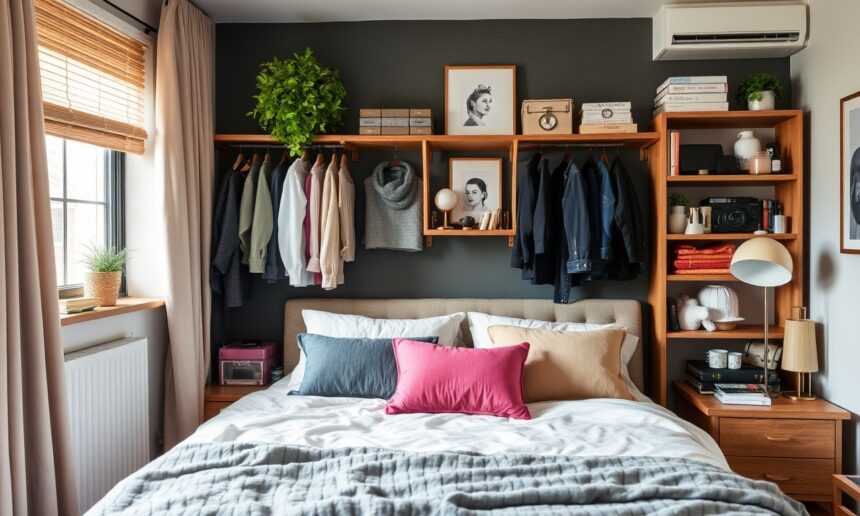
Shared Bedroom: The Unspoken Arena of Domestic Harmony (or Discord)
The shared bedroom, a space ostensibly designed for rest and intimacy, often devolves into a battleground of clutter, proof of the logistical nightmares of cohabitation. It’s a scenario familiar to countless couples, siblings, and even roommates, where the delicate balance between personal belongings and shared space is perpetually tested. Forget the romanticized notions of perfectly curated sanctuaries; the reality for most is a constant, subtle negotiation over drawer space, closet real estate, and the ever-encroaching tide of miscellaneous possessions. This isn’t merely an aesthetic issue; it’s a fundamental challenge to creating a functional, peaceful environment that supports well-being. The prevailing wisdom often suggests a minimalist approach, but for many, life necessitates a more robust, strategic intervention.
- Shared Bedroom: The Unspoken Arena of Domestic Harmony (or Discord)
- The Foundation of Functional Shared Bedroom Storage: Communication and Boundaries
- Unlocking Vertical Space: The Essential Strategy for Shared Bedrooms
- Multi-Functional Furniture: The Smart Investor in Shared Bedroom Space
- Creative Closet and Drawer Solutions: The Nitty-Gritty of Organization
- The Power of Personal Zones and Decluttering Rituals
- The Aesthetic Integration: Blending Functionality with Style
- Frequently Asked Questions
- H3: What are the most common mistakes people make when organizing a shared bedroom?
- H3: How can I divide a shared bedroom space fairly?
- H3: What are some budget-friendly shared bedroom storage ideas?
- H3: How do I deal with an uneven distribution of belongings in a shared bedroom?
- Final Recommendations: Cultivating a Harmonious and Organized Shared Bedroom
Wikipedia: Contents — Wikipedia
When it comes to Shared Bedroom, The question isn’t *if* you need to optimize, but *how* to do so without sacrificing individuality or resorting to passive-aggressive note-leaving.
Key Takeaways:
- Effective shared bedroom storage hinges on proactive communication and clear boundaries.
- Vertical space and multi-functional furniture are paramount for maximizing limited square footage.
- Regular decluttering sessions, often overlooked, are as crucial as initial organization.
- Personalized zones within a shared space foster autonomy and reduce conflict.
The sheer volume of items we accumulate is staggering. Research suggests the average American home contains hundreds of thousands of items, a statistic that becomes particularly poignant when compressed into the confines of a shared bedroom. This isn’t about discarding cherished possessions; it’s about intelligent integration. The most successful shared bedrooms are not born from inherent tidiness, but from deliberate, ongoing systems. They are living environments that require constant, albeit often subtle, maintenance. This article will explore the multifaceted strategies, from the hyper-practical to the psychologically astute, that transform a chaotic shared bedroom into a haven of organized tranquility, proving that maximizing space is as much about mindset as it is about furniture.
The Foundation of Functional Shared Bedroom Storage: Communication and Boundaries
Before a single shelf is installed or a drawer divider is purchased, the bedrock of any successful shared bedroom storage strategy is robust communication. This might sound obvious, but the unspoken assumptions and passive-aggressive tactics that plague shared living spaces are often rooted in a failure to articulate needs and expectations clearly. It’s imperative to establish clear boundaries regarding personal versus shared items, acceptable levels of visible clutter, and the designated use of specific storage areas. For instance, a couple might agree that one side of the closet is exclusively for personal attire, while the dresser drawers are divided equally. Siblings might designate specific shelves for books, electronics, or hobby materials.
In the context of Shared Bedroom, The key is to have these conversations *before* resentment builds, not during a heated argument over a misplaced item.
Around Shared Bedroom, Beyond just allocating space, it’s crucial to define what constitutes “clutter” for each individual. What one person considers a neatly stacked pile of important papers, another might see as an insurmountable mess. Acknowledging these differing perspectives and finding a compromise is vital. This might involve implementing a “one in, one out” rule for certain categories of items, or agreeing on a weekly “reset” time to tackle minor accumulations. Studies suggest that clutter can indeed contribute to stress and reduced cognitive function, underscoring the importance of addressing it proactively in a shared environment. Establishing these ground rules creates a framework for all subsequent storage solutions, ensuring they serve the needs of everyone involved.
Unlocking Vertical Space: The Essential Strategy for Shared Bedrooms
in small-space living, and particularly in shared bedrooms where space is at a premium, the adage “think vertically” is not just advice; it’s a commandment. Walls, often overlooked as mere structural elements, are prime real estate waiting to be utilized. This means moving beyond traditional floor-based storage and embracing solutions that draw the eye upward, creating a sense of spaciousness while significantly increasing storage capacity.
Regarding Shared Bedroom, One of the most effective ways to leverage vertical space is through tall, narrow shelving units. These can house books, decorative items, folded clothing, or even storage bins. Opting for units with adjustable shelves provides maximum flexibility to accommodate items of varying heights. Another excellent option is wall-mounted shelving. This can range from simple floating shelves to more elaborate modular systems. Floating shelves offer a minimalist aesthetic and are perfect for displaying personal items or storing frequently used toiletries. Modular systems, on the other hand, can be configured to create custom storage solutions, adapting to the specific needs of the occupants.
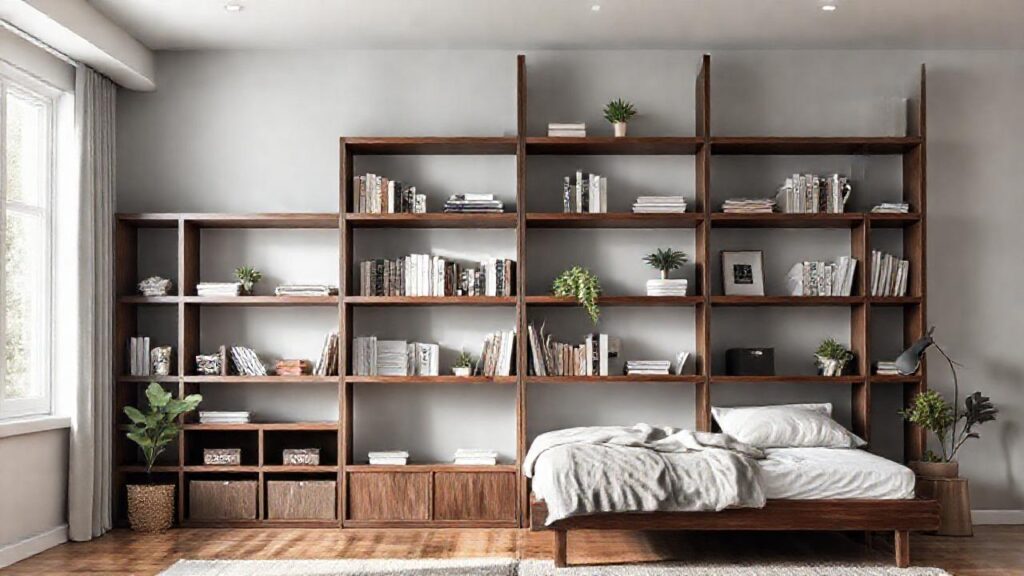
Consider also the utility of over-the-door organizers. These are incredibly versatile and can be used for shoes, accessories, toiletries, cleaning supplies, or even as a discreet way to store extra linens. For hanging items, vertical garment racks or tiered hangers can dramatically increase closet capacity without taking up additional floor space. In rooms with high ceilings, loft beds or beds with built-in overhead storage can effectively reclaim valuable floor area, turning the space beneath into a functional zone for a desk, seating, or additional wardrobes. The principle is simple: if it can be stored off the floor, it should be. This not only frees up visual space, making the room feel larger, but also makes cleaning much more manageable.
Multi-Functional Furniture: The Smart Investor in Shared Bedroom Space
When every square inch counts, furniture that serves more than one purpose is not a luxury; it’s a necessity. Multi-functional pieces are the silent workhorses of efficient shared bedrooms, cleverly combining storage, sleeping, and seating solutions into a single, elegant unit. Investing in such items is a strategic move that maximizes utility and minimizes the need for separate, space-consuming pieces.
The storage bed is perhaps the most ubiquitous and effective example. Whether it features built-in drawers, a lift-up mattress mechanism revealing a vast storage cavity, or a headboard with integrated shelving, these beds effectively turn dead space into valuable storage. They are perfect for stowing away seasonal clothing, extra bedding, or items that are not needed on a daily basis. Similarly, ottomans and benches with hidden storage offer dual benefits: a place to sit and a discreet repository for blankets, shoes, or games. These are particularly useful at the foot of the bed or in a corner of the room.
For rooms that might occasionally host guests or serve as a versatile living area, a sofa bed or futon can be a breakthrough. During the day, it serves as comfortable seating, and at night, it transforms into a sleeping space, eliminating the need for a separate guest room or clunky rollaway bed. Another clever innovation is the desk or vanity that folds away into a wall unit or merges seamlessly with a bookshelf. This allows for dedicated workspace or grooming areas that can disappear when not in use, preserving the room’s primary function as a restful sanctuary.
When selecting multi-functional furniture, consider the specific needs of the occupants. If one person is a student, a bed with an integrated desk might be ideal. If the room is primarily for a couple, a storage bed with ample drawer space might be prioritized. The aesthetic also plays a role; choose pieces that complement the overall style of the room to avoid a cluttered or disjointed appearance. The judicious selection of such furniture can transform a cramped shared bedroom into a highly organized and adaptable living space.
Creative Closet and Drawer Solutions: The Nitty-Gritty of Organization
Once the larger furniture and vertical space strategies are in place, the real magic happens in the details: optimizing closets and drawers. These are often the primary repositories of daily necessities and personal items, and their effective organization can make or break the overall harmony of a shared bedroom. This is where specialized organizers and thoughtful partitioning come into play.
Within the closet, consider tiered hangers that allow you to hang multiple garments vertically, significantly increasing the number of items you can store. Drawer dividers are non-negotiable for dresser drawers. They prevent items from becoming a jumbled mess, allowing you to categorize everything from socks and underwear to t-shirts and accessories. Adjustable dividers offer the most flexibility, allowing you to customize compartments based on the size and type of items. For deeper drawers, consider stackable drawer inserts or vertical file organizers for things like handbags or folded pants.
Shelf dividers can create distinct sections on closet shelves, preventing piles of clothing from toppling over. For items that are difficult to fold, such as sweaters, using storage bins or baskets on shelves can keep them contained and tidy. Don’t forget the back of the closet door! Installing hooks or a hanging organizer can provide valuable space for belts, scarves, jewelry, or even a laundry bag. For shoes, consider a shoe rack that utilizes vertical space or an over-the-door shoe organizer to keep them off the floor and easily accessible.
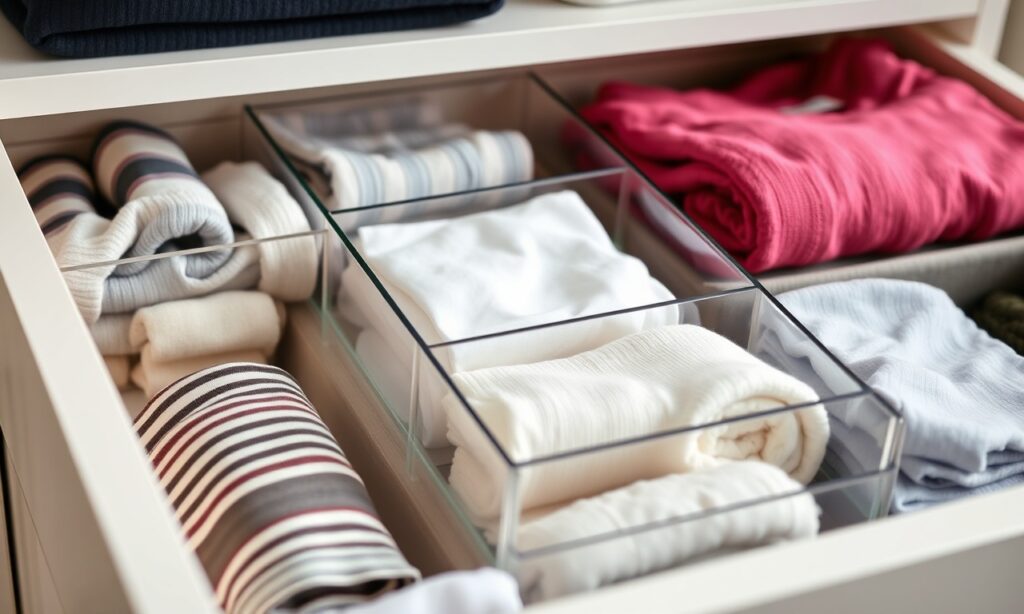
The principle here is categorization and accessibility. Everything should have a designated home, and it should be easy to find and retrieve items without disturbing the rest of the contents. This requires a commitment to putting things back in their rightful place. For shared drawers, clearly marking sections or agreeing on a system (e.g., “left half for person A, right half for person B”) can prevent territorial disputes. The cumulative effect of these small organizational wins in closets and drawers can lead to a dramatic improvement in the perceived spaciousness and orderliness of the entire shared bedroom.
The Power of Personal Zones and Decluttering Rituals
Even in the most meticulously organized shared bedroom, maintaining harmony requires acknowledging individual needs and establishing routines. This is where the concept of personal zones and regular decluttering rituals becomes paramount. Creating distinct areas, however small, where each occupant can maintain their personal aesthetic and manage their belongings without infringing on the other’s space fosters a sense of autonomy and reduces potential friction.
Personal zones can be as simple as designating one nightstand as “Person A’s” and the other as “Person B’s,” or clearly defining which side of the bed and adjacent wall space is for whom. In larger rooms, this might extend to a specific corner for a hobby, a reading nook, or a designated “tech station.” The goal is to provide each individual with a sense of ownership and control over a portion of the shared space, allowing them to personalize it within agreed-upon parameters. This could involve choosing specific decor for their side of the room or having a dedicated shelf for personal mementos.
Equally important are regular decluttering rituals. Clutter is a natural byproduct of daily living, and without a system for managing it, even the most well-organized space can quickly revert to chaos. This doesn’t necessarily mean a full-blown purge every week, but rather establishing a consistent practice. This could be a five-minute “tidy-up” before bed each night, where stray items are returned to their designated homes. Alternatively, it might be a weekly 30-minute “declutter session” where both occupants tackle specific areas, sort through mail, or discard items they no longer need. Research indicates that a significant majority of people report that clutter negatively affects their mood and ability to relax.
Establishing these rituals, therefore, is not just about tidiness; it’s about fostering a more peaceful and enjoyable living environment.
The success of personal zones and decluttering rituals lies in consistency and mutual agreement. These are not one-time fixes but ongoing practices that require commitment from everyone sharing the space. By respecting each other’s zones and participating in regular tidying, occupants can maintain a sense of order and tranquility, ensuring the shared bedroom remains a sanctuary rather than a source of stress.
The Aesthetic Integration: Blending Functionality with Style
While the primary goal of shared bedroom storage is functionality, it’s crucial not to overlook the aesthetic impact. An overly utilitarian room can feel sterile and unwelcoming. The art of successful shared bedroom organization lies in seamlessly blending practical storage solutions with a visually pleasing design. This means choosing storage items that complement the room’s decor and using decorative elements to enhance, rather than detract from, the sense of order.
Storage bins and baskets are excellent examples of this principle. Instead of opting for purely plastic, utilitarian containers, choose ones made from natural materials like woven seagrass, rattan, or fabric in complementary colors. These can add texture and warmth to the room while effectively hiding away less attractive items. Decorative boxes can be used to store smaller items like jewelry, accessories, or toiletries, and can double as decorative accents on shelves or dressers.
Wall art and mirrors can also play a role in making a storage-heavy room feel more spacious and inviting. Mirrors, in particular, can reflect light and create an illusion of greater depth. Consider a large mirror above a dresser or a strategically placed floor mirror. Shelving units can be styled to display not just books but also framed photos, plants, and small decorative objects, transforming them into curated displays rather than mere storage. Under-bed storage containers can also be chosen with style in mind, opting for sleek, low-profile designs that blend in with the bed frame.
The key is to ensure that storage solutions are not an afterthought but are integrated into the room’s overall design scheme. This might involve selecting furniture with built-in storage that matches the existing style, or choosing accessories that serve a dual purpose – both practical and decorative. When storage solutions are aesthetically pleasing, they become less of a chore and more of an enhancement to the room’s ambiance. This approach transforms the shared bedroom from a mere functional space into a cohesive and comfortable living environment.
Frequently Asked Questions
H3: What are the most common mistakes people make when organizing a shared bedroom?
The most prevalent mistake is the lack of clear communication and established boundaries. This leads to assumptions, territorial disputes, and passive-aggressive behaviors. Another common error is focusing solely on aesthetics without implementing practical, sustainable organizational systems. People often buy attractive bins without a clear plan for what goes inside, or they fail to create designated zones for each occupant. Finally, many overlook the importance of regular decluttering, allowing small accumulations to snowball into overwhelming messes. A commitment to ongoing maintenance is as vital as the initial organization.
H3: How can I divide a shared bedroom space fairly?
Fair division often involves a combination of physical and conceptual boundaries. Physically, this can mean dividing closet space, dresser drawers, or shelving units equally. Using furniture placement, such as a room divider or the strategic positioning of a bookshelf, can also create distinct zones. Conceptually, agree on what belongs to whom and establish clear rules for shared items. For example, if you share a desk, decide who uses it when and how it should be maintained. The key is open dialogue and a willingness to compromise, ensuring both individuals feel their needs and personal space are respected.
H3: What are some budget-friendly shared bedroom storage ideas?
Budget-friendly solutions often involve repurposing existing items and utilizing vertical space creatively. Cardboard boxes can be covered with decorative paper or fabric to create makeshift storage bins. Old crates can be stacked and secured to form shelving units. Over-the-door organizers are typically inexpensive and highly effective. Jars and cans can be cleaned and used to store small items like pens, makeup brushes, or craft supplies. Investing in a few key, affordable items like drawer dividers or tiered hangers can also make a significant difference without breaking the bank. Regular “shop your house” sessions to find unused items that can serve a storage purpose are also beneficial.
H3: How do I deal with an uneven distribution of belongings in a shared bedroom?
Addressing an uneven distribution requires a frank conversation about needs and priorities. It might involve one person making a conscious effort to downsize their possessions or invest in more robust storage solutions for their items. If one person has significantly more belongings, they might need to allocate a larger portion of the shared storage space, but this should be a negotiated agreement, not an imposition. Consider strategies like vertical storage or multi-functional furniture to maximize the space available for the person with more items, while still ensuring the other person has adequate and accessible storage.
Final Recommendations: Cultivating a Harmonious and Organized Shared Bedroom
The journey to a perfectly organized shared bedroom is not a singular event but an ongoing process of communication, adaptation, and thoughtful implementation. It begins with acknowledging that shared space demands shared responsibility and a commitment to collaborative problem-solving. Prioritize open dialogue about needs, expectations, and potential conflicts from the outset. Remember that effective storage is not merely about acquiring containers; it’s about creating systems that work for everyone involved.
Embrace the power of vertical space by installing shelves, wall-mounted units, and over-the-door organizers. Invest wisely in multi-functional furniture that serves dual purposes, transforming underutilized areas into storage hubs. Within closets and drawers, leverage dividers, tiered hangers, and modular inserts to maximize every inch of capacity. Crucially, foster a sense of individual ownership by establishing personal zones and committing to regular decluttering rituals. These practices not only maintain order but also contribute to a more peaceful and respectful cohabitation.
Finally, never underestimate the impact of aesthetics. Integrate storage solutions that complement your room’s style, turning functional necessities into decorative assets. By combining these strategies, you can transform a potentially chaotic shared bedroom into a sanctuary of order, comfort, and mutual respect. The result is not just a tidier room, but a more harmonious living environment that supports well-being and strengthens relationships.
See also: Shared Bedroom