
Embarking on the Journey of Opulence: What Truly Defines Luxury Design?
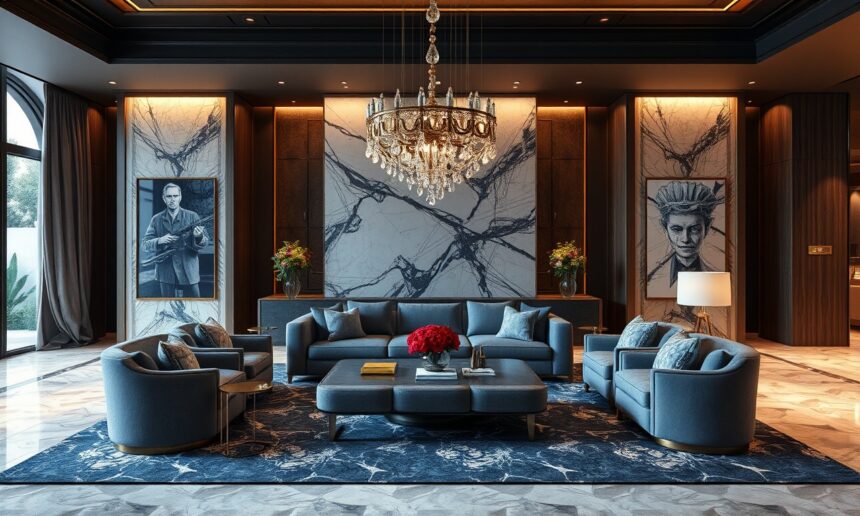
When it comes to Luxury Design, Does the mere mention of “luxury” conjure images of excessive ornamentation, or is there a deeper, more nuanced philosophy at play in the creation of truly opulent interiors? The pursuit of opulence in interior design is not simply about accumulating the most expensive items; rather, it is an art form that marries exquisite craftsmanship, timeless aesthetics, and a profound understanding of how space influences human emotion and well-being. It’s about cultivating an environment that whispers sophistication rather than shouting extravagance, where every detail is meticulously considered to evoke a sense of unparalleled comfort, exclusivity, and enduring beauty.
- Embarking on the Journey of Opulence: What Truly Defines Luxury Design?
- The Essence of Exclusivity and Craftsmanship
- Understanding the Principles of High-End Interior Design
- Foundational Pillars of Opulent Interior Design
- 1. Palette and Texture: The Symphony of Surfaces
- 2. Scale and Proportion: The Art of Balance
- 3. Lighting: Sculpting Atmosphere and Ambiance
- 4. Symmetry and Asymmetry: The Dance of Order and Intrigue
- Key Takeaways
- The Art of Material Selection in Luxury Design
- Natural Stones: Timeless Elegance and Durability
- Exotic Woods and Finishes: Warmth and Sophistication
- Luxurious Textiles: The Feel of Opulence
- Metals and Accents: The Gleam of Refinement
- Mastering the Details: The Unseen Pillars of Luxury
- Bespoke Furniture and Joinery
- Curated Art and Collectibles
- The Power of Soft Furnishings and Accessories
- Integrating Technology Seamlessly
- The Psychological Impact of Opulent Interiors
- Navigating the Nuances: Common Pitfalls to Avoid
- Avoiding the Trap of Ostentation
- Ensuring Functionality Alongside Form
- The Importance of Personalization
- Frequently Asked Questions
- What are the key differences between high-end and mass-market interior design?
- How can I incorporate luxury design elements on a more modest budget?
- What role does sustainability play in modern luxury design?
- How do I choose the right color palette for a luxury interior?
- What are the most timeless luxury design trends?
- Final Recommendations for Crafting Your Opulent Sanctuary
Wikipedia: Contents — Wikipedia
This journey into the heart of luxury design invites us to explore the principles that elevate a house into a sanctuary of refined living, proof of personal taste and a harmonious fusion of form and function.
In the context of Luxury Design, 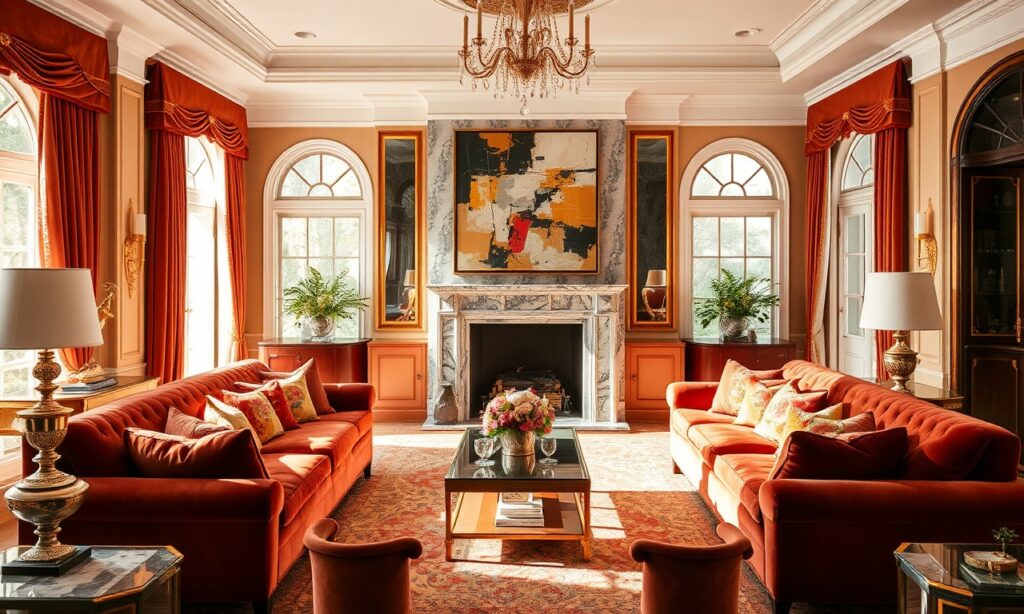
The Essence of Exclusivity and Craftsmanship
At its core, luxury design is defined by an unwavering commitment to quality and an appreciation for the artisanal. This translates into the selection of materials that are not only beautiful but also possess inherent value and longevity – think rare marbles, sustainably sourced hardwoods, fine silks, and hand-woven textiles. The emphasis here is on tactility and visual richness, materials that age gracefully and tell a story of their origin and creation. Beyond materials, the craftsmanship itself is paramount. This means seeking out furniture pieces that are either bespoke or from heritage brands renowned for their meticulous attention to detail, from the joinery of a cabinet to the stitching on a leather armchair.
Around Luxury Design, It’s the subtle curves, the perfect balance, and the flawless finish that distinguish the truly luxurious from the merely expensive.
Regarding Luxury Design, “True luxury is not about ostentation, but about an enduring quality that transcends fleeting trends, creating spaces that feel both deeply personal and universally admired.”
Understanding the Principles of High-End Interior Design
When it comes to Luxury Design, The creation of an opulent interior is underpinned by a set of guiding principles that ensure coherence, balance, and an elevated experience. These are not rigid rules but rather a framework for thoughtful decision-making, allowing for creative expression within a sophisticated context. Understanding these pillars is the first step towards curating spaces that resonate with elegance and exclusivity.
Foundational Pillars of Opulent Interior Design
In the context of Luxury Design, To achieve a truly luxurious aesthetic, one must build upon a solid foundation of design principles. These elements, when masterfully combined, create spaces that are not only visually stunning but also deeply comfortable and functional.
1. Palette and Texture: The Symphony of Surfaces
Around Luxury Design, The color palette in a luxury interior often leans towards sophisticated neutrals, deep jewel tones, or muted earth tones, providing a serene backdrop that allows exquisite furnishings and decorative elements to shine. However, the true magic lies in the interplay of textures. Imagine the smooth coolness of polished marble juxtaposed with the soft warmth of a cashmere throw, or the subtle sheen of silk drapery against the matte finish of a hand-plastered wall. This layering of varied textures adds depth, visual interest, and a palpable sense of richness that invites touch. Recent research suggests that tactile experiences can significantly impact mood and perception of value, underscoring the importance of rich textural elements in luxury environments.
2. Scale and Proportion: The Art of Balance
Achieving the right scale and proportion is critical. Oversized furniture in a small room can feel overwhelming, while undersized pieces in a grand space can appear lost. Luxury design demands a keen eye for how elements relate to one another and to the overall volume of the space. This involves carefully selecting furniture that fits the room’s dimensions comfortably, ensuring ample circulation space, and employing architectural details that enhance the sense of grandeur without being ostentatious. For instance, a soaring ceiling might be accentuated with a dramatic chandelier or custom-designed architectural molding, while a more intimate space might benefit from strategically placed mirrors to enhance light and perceived size.
3. Lighting: Sculpting Atmosphere and Ambiance
Regarding Luxury Design, Lighting is perhaps the most transformative element in interior design, and in luxury spaces, it is used with deliberate artistry. It’s not merely about illumination; it’s about sculpting the atmosphere. A layered lighting scheme, incorporating ambient, task, and accent lighting, is essential. Think of dimmable chandeliers that cast a warm glow, strategically placed floor lamps that create pools of light for reading, and subtle spotlights highlighting artwork or architectural features. The quality of light—whether it’s warm and inviting or crisp and modern—profoundly impacts the mood and perception of the space. Experts note that sophisticated lighting design can increase perceived value and dwell time in various spaces.
4. Symmetry and Asymmetry: The Dance of Order and Intrigue
When it comes to Luxury Design, While symmetry often conveys a sense of formality and order, which can be a hallmark of classic luxury, a thoughtful application of asymmetry can introduce dynamism and visual intrigue. A perfectly symmetrical arrangement of seating around a fireplace can feel inherently balanced and tranquil, embodying a sense of timeless elegance. Conversely, a carefully curated asymmetrical arrangement of art on a gallery wall or an unexpected placement of a sculptural piece can create a focal point that sparks conversation and adds a contemporary edge. The key is intentionality; whether embracing order or introducing controlled disarray, the goal is to create a visually pleasing and harmonious composition.
Key Takeaways
- Materiality is Paramount: Opt for high-quality, natural materials like rare woods, fine stones, and luxurious textiles that offer both beauty and longevity.
- Craftsmanship Over Quantity: Invest in bespoke or heritage pieces where the artisanal skill and attention to detail are evident.
- Layered Textures Enhance Richness: Combine smooth, rough, soft, and hard textures to create tactile depth and visual interest.
- Scale and Proportion are Crucial: Ensure furniture and architectural elements are appropriately sized for the space to achieve balance and harmony.
The Art of Material Selection in Luxury Design
In the context of Luxury Design, The choice of materials is foundational to creating an opulent interior. It’s a decision that speaks volumes about the desired aesthetic, the intended feel of the space, and the commitment to enduring quality.
Natural Stones: Timeless Elegance and Durability
Natural stones like marble, granite, quartzite, and onyx are quintessential elements of luxury design. Their inherent beauty, unique veining patterns, and remarkable durability make them ideal for flooring, countertops, feature walls, and decorative accents. Each slab is a work of art, offering a sense of permanence and sophistication. For instance, Carrara marble, with its subtle grey veining on a white background, has been a symbol of elegance for centuries, while dramatic black granite or rich, deep onyx can add a bold, contemporary statement.
Exotic Woods and Finishes: Warmth and Sophistication
Around Luxury Design, The warmth and natural beauty of exotic woods such as mahogany, walnut, ebony, or rosewood lend an unparalleled sense of richness to interiors. These can be used for flooring, custom cabinetry, wall paneling, or furniture. Beyond the species of wood, the finish matter significantly. High-gloss lacquers can create a sleek, modern feel, while hand-rubbed oil finishes or intricate marquetry can add a layer of traditional craftsmanship and depth.
Luxurious Textiles: The Feel of Opulence
The tactile quality of fabrics is paramount in luxury design. Think of sumptuous velvets that offer a deep, plush feel, lustrous silks that drape elegantly, fine linens that provide a relaxed sophistication, and rich brocades that add a regal touch. These materials are not just for upholstery; they are essential for draperies, cushions, rugs, and wall coverings, contributing significantly to the overall sensory experience of a room.
Regarding Luxury Design, 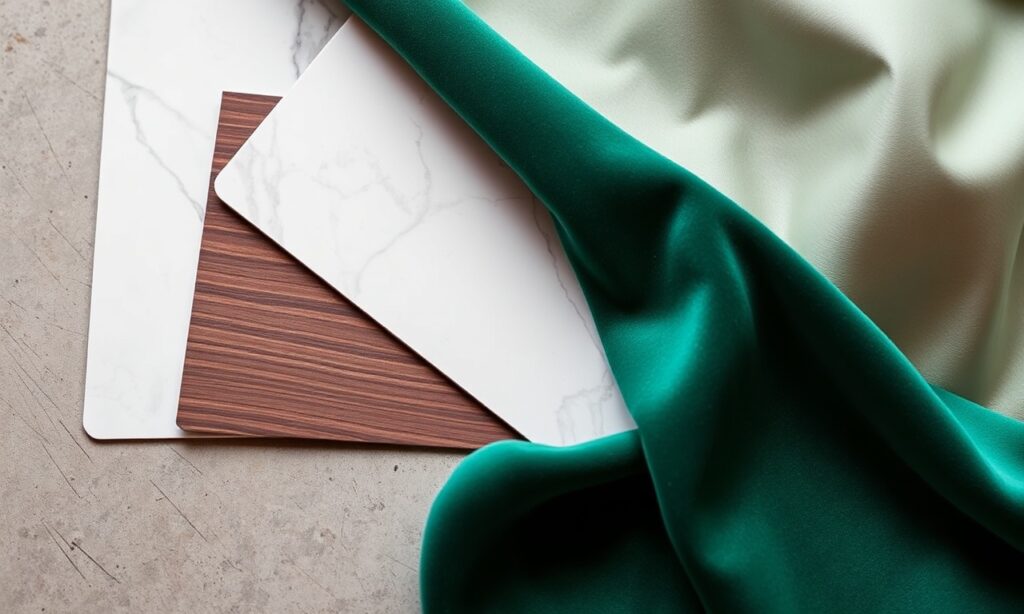
Metals and Accents: The Gleam of Refinement
When it comes to Luxury Design, The judicious use of metals like brass, gold, polished nickel, or even brushed bronze adds a touch of glamour and sophistication. These can be incorporated through hardware, lighting fixtures, decorative accessories, or even as subtle accents within furniture design. The chosen metal finish can significantly influence the overall mood, with polished brass offering warmth and a classic feel, while brushed nickel provides a more contemporary, understated elegance.
Mastering the Details: The Unseen Pillars of Luxury
In the context of Luxury Design, While grand gestures and exquisite materials certainly contribute to a sense of opulence, it is often the meticulous attention to detail that truly elevates a design from luxurious to extraordinary. These are the elements that, while perhaps not immediately obvious, contribute to the overall feeling of quality, thoughtfulness, and exclusivity.
Bespoke Furniture and Joinery
Custom-made furniture and joinery allow for perfect integration with the architectural elements of a space and reflect the specific needs and aesthetic preferences of the homeowner. From perfectly fitted built-in cabinetry that maximizes storage and minimizes visual clutter to a dining table designed to host cherished gatherings, bespoke pieces are the ultimate expression of personalized luxury. This is where functionality meets artistry, creating pieces that are both practical and profoundly beautiful.
Curated Art and Collectibles
A well-curated collection of art, sculptures, and decorative objects is indispensable in a luxury interior. These pieces not only add personality and character but also serve as conversation starters and focal points. The selection should reflect the owner’s taste and the overall design narrative, whether it’s a striking contemporary painting, a collection of antique ceramics, or unique handcrafted sculptures.
The Power of Soft Furnishings and Accessories
The final layer of any opulent interior is its soft furnishings and accessories. This includes everything from designer rugs that anchor a seating area and add warmth underfoot, to meticulously arranged cushions that provide comfort and a splash of color or texture, to carefully selected decorative items that complete the narrative of the space. Even the choice of door handles, light switch plates, and custom drapery hardware contributes to the overall impression of refined detail.
Integrating Technology Seamlessly
In contemporary luxury design, the smoothly connect of technology is no longer an afterthought but a crucial element. Smart home systems that control lighting, climate, entertainment, and security should be intuitive and unobtrusive, enhancing comfort and convenience without detracting from the aesthetic. Hidden speakers, integrated media consoles, and automated blinds are examples of how technology can be woven into the fabric of a luxurious environment.
The Psychological Impact of Opulent Interiors
Beyond aesthetics, luxurious interiors can have a profound psychological impact, fostering a sense of well-being, security, and pride. The use of high-quality materials, thoughtful design, and attention to detail can create an environment that is not only visually pleasing but also contributes to a calmer, more comfortable, and more inspiring daily life. A well-designed luxury space can serve as a sanctuary, a place of refuge from the external world, promoting relaxation and rejuvenation. The concept of “biophilic design,” integrating natural elements into indoor spaces, also plays a role, as studies have shown that exposure to natural light and organic forms can reduce stress and improve cognitive function.
Navigating the Nuances: Common Pitfalls to Avoid
While the pursuit of opulence is rewarding, it’s important to be aware of potential pitfalls that can undermine the intended effect.
Avoiding the Trap of Ostentation
True luxury is often understated. It’s about quality that speaks for itself rather than shouting for attention. Avoid the temptation to fill every surface with decorative items or to use overly flashy materials simply for the sake of appearing expensive. The goal is to create an atmosphere of refined elegance, not a showroom of excessive wealth.
Ensuring Functionality Alongside Form
A beautiful space that is impractical is ultimately a failure. Luxury design must balance aesthetic appeal with everyday functionality. Consider how the space will be used, who will be using it, and ensure that the design choices support rather than hinder daily life. This means ensuring comfortable seating, adequate lighting for tasks, and easy flow throughout the space.
The Importance of Personalization
While trends and expert advice are valuable, the most successful luxury interiors are deeply personal. They reflect the unique tastes, passions, and lifestyle of the individuals who inhabit them. Avoid simply replicating a look from a magazine; instead, use those inspirations as a springboard for creating a space that feels authentically yours.
Frequently Asked Questions
What are the key differences between high-end and mass-market interior design?
The primary distinction lies in the quality of materials, craftsmanship, and the level of customization. High-end design emphasizes bespoke elements, rare materials, and artisanal techniques, whereas mass-market design often relies on standardized components and more accessible materials. Furthermore, high-end design focuses on creating unique, personalized environments, while mass-market design often follows broader, more generic trends.
How can I incorporate luxury design elements on a more modest budget?
Focus on a few impactful elements. Invest in one or two high-quality pieces of furniture, use luxurious textiles for accents like cushions or throws, and pay meticulous attention to lighting. A sophisticated color palette and strategic use of metallic accents can also create a sense of opulence without a significant expenditure. Prioritize quality over quantity.
What role does sustainability play in modern luxury design?
Sustainability is increasingly integral to modern luxury. It involves sourcing materials ethically and sustainably, using eco-friendly finishes, and designing for longevity to reduce waste. Many luxury brands are now committed to environmental responsibility, and discerning clients are seeking out designs that align with these values, viewing responsible sourcing as a hallmark of true luxury.
How do I choose the right color palette for a luxury interior?
Luxury palettes often lean towards sophisticated neutrals, deep jewel tones, or rich earth tones. Consider the mood you wish to create – calming blues and greens for serenity, deep reds and purples for drama, or warm beiges and creams for timeless elegance. The interplay of textures within your chosen palette is crucial for adding depth and richness.
What are the most timeless luxury design trends?
Timeless luxury design often incorporates classical architectural elements, natural materials like marble and fine wood, high-quality textiles, and well-proportioned furniture. A focus on craftsmanship, symmetry, and elegant lighting also contributes to enduring appeal. Ultimately, spaces that feel balanced, comfortable, and authentically personal tend to withstand the test of time the best.
Final Recommendations for Crafting Your Opulent Sanctuary
The path to creating an opulent interior is one of thoughtful curation and a deep appreciation for quality. It’s about understanding that true luxury is not merely about visible expense, but about the enduring value found in exceptional materials, meticulous craftsmanship, and intelligent design. Approach your space as a canvas for personal expression, where every choice contributes to a harmonious and sophisticated whole.
Begin by defining your personal aesthetic. What feeling do you want your home to evoke? Is it serene and tranquil, or dramatic and bold? Gather inspiration from diverse sources – art, nature, travel – and translate these influences into tangible design choices. Prioritize investing in foundational elements that offer lasting appeal, such as a well-crafted sofa, elegant flooring, or a statement lighting fixture.
Remember that the details are where true luxury resides. From the perfect patina on a brass accent to the subtle texture of a hand-woven rug, these elements collectively create an atmosphere of refined elegance. Engage with skilled artisans and designers who can help you realize your vision, translating your desires into spaces that are not only beautiful but also deeply functional and supremely comfortable. Ultimately, your opulent interior should be a sanctuary that reflects your journey, your achievements, and your appreciation for the finer aspects of life.
See also: Luxury Design