

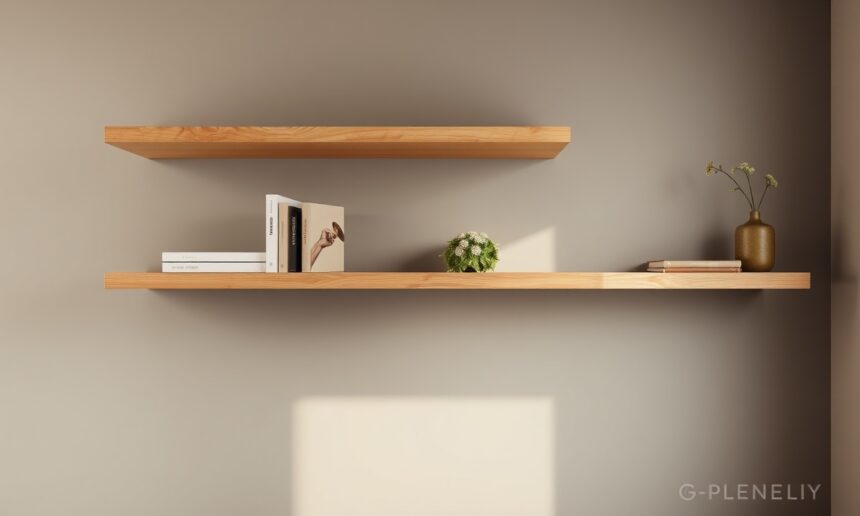
The Illusion of Effortless Space: Why Floating Shelves Command Attention
Floating shelves have revolutionized interior design, offering a sleek, minimalist aesthetic that belies their structural ingenuity. Unlike traditional shelves supported by visible brackets, these architectural marvels appear to emerge directly from the wall, creating a sense of lightness and sophistication. This visual trickery is particularly potent in smaller spaces, where the absence of bulky supports can make a room feel significantly larger and more open. Research indicates that a significant percentage of homeowners now prioritize minimalist design elements, with floating shelves frequently cited as a key component in achieving this look. Their ability to declutter surfaces while showcasing decorative items or essential storage makes them a dual-purpose powerhouse in modern homes.
- The Illusion of Effortless Space: Why Floating Shelves Command Attention
- Unveiling the Diverse World of Floating Shelf Designs
- Strategic Placement: Where Floating Shelves Shine Brightest
- Living Spaces: Elevating Entertainment and Display
- Kitchens and Dining Areas: Functional Elegance
- Bedrooms and Bathspaces: Serene Storage Solutions
- Expert Installation: Ensuring Safety and Longevity
- Maintaining the Magic: Care and Cleaning for Floating Shelves
- Floating Shelves vs. Traditional Shelving: A Comparative Analysis
- Aesthetics and Visual Impact
- Space Utilization and Perception
- Installation Complexity and Load Capacity
- Creative Applications and Inspiring Ideas
- The Floating Shelf as an Architectural Element
- Illuminating Your Displays
- Floating Shelves in Unexpected Places
- Key Takeaways
- Frequently Asked Questions
- How much weight can a typical floating shelf hold?
- Are floating shelves difficult to install?
- What are the best materials for floating shelves in a bathroom?
- Can I use floating shelves to replace all my kitchen cabinets?
- How do I choose the right size and depth for my floating shelves?
- Final Recommendations for Embracing Floating Shelves
Wikipedia: Contents — Wikipedia
Floating shelves are not just storage; they are architectural statements that redefine spatial perception and amplify visual elegance.
The Ingenious Mechanics Behind the Illusion
The magic of floating shelves lies in their concealed support system. Typically, a robust internal bracket is securely mounted to the wall’s studs, often using specialized anchors for drywall if studs are inaccessible. This bracket features rods or extensions that slide into pre-drilled holes in the back of the shelf. Once the shelf is pushed flush against the wall, it encases the bracket, creating the illusion that it’s magically suspended. The weight-bearing capacity is directly proportional to the quality of the bracket, the strength of the wall, and the precision of the installation.
For instance, a standard 3-foot solid wood floating shelf with a properly installed internal bracket can often support upwards of 20-30 pounds, though heavier loads are achievable with reinforced systems.
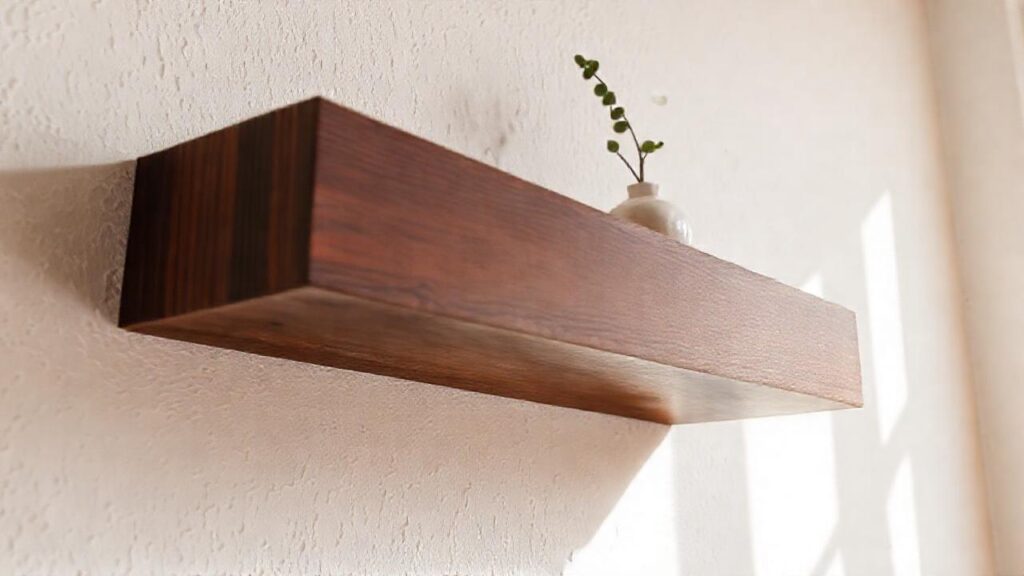
Unveiling the Diverse World of Floating Shelf Designs
The aesthetic versatility of floating shelves is one of their most compelling attributes, catering to virtually every interior design style. From the rustic charm of reclaimed wood to the sleek modernity of polished metal, the material and finish matter significantly in defining their character and suitability for different spaces.
Material Matters: Crafting the Perfect Aesthetic
- Solid Wood: The quintessential choice, solid wood offers warmth, natural grain patterns, and a timeless appeal. Oak, walnut, pine, and maple are popular options, each providing a distinct look and durability. These are ideal for creating a cozy, traditional, or farmhouse aesthetic.
- Engineered Wood (MDF/Particleboard): Often finished with veneers, laminates, or paint, these materials offer a more budget-friendly alternative. They are lightweight and can mimic the appearance of real wood or offer a smooth, uniform painted finish, making them versatile for modern and transitional spaces.
- Metal: Steel, aluminum, and iron can be fashioned into sleek, industrial-inspired floating shelves. These often feature clean lines and a polished or brushed finish, perfect for contemporary lofts or minimalist interiors.
- Acrylic/Glass: For a truly ethereal and minimalist look, clear acrylic or tempered glass shelves offer an almost invisible storage solution, ideal for displaying delicate items or in bathrooms where moisture resistance is key.
Finishes and Forms: Beyond the Basic Rectangle
The shape and finish of a floating shelf can dramatically alter its impact. While simple rectangular shelves are ubiquitous, variations abound:
- Corner Shelves: Maximizing often-underutilized corner spaces, these shelves can be triangular or curved, smoothly connect into room angles.
- L-Shaped Shelves: Offering a more dynamic visual interest, these shelves present a stepped or layered appearance.
- Custom Shapes: For the truly bespoke, shelves can be cut into organic shapes, geometric patterns, or even custom lengths to fit unique architectural niches.
- Finishes: Beyond natural wood tones, shelves can be painted in any color, stained to achieve deep hues, or treated with specialized finishes like high-gloss lacquer, matte black, or distressed effects to match specific decor themes.
Strategic Placement: Where Floating Shelves Shine Brightest
The true genius of floating shelves lies in their adaptability. Their unobtrusive nature allows them to enhance virtually any room, from the most utilitarian spaces to the most curated displays. Strategic placement can transform functionality and elevate the visual appeal of your home.
Living Spaces: Elevating Entertainment and Display
In the living room, floating shelves can serve a dual purpose: housing media consoles or acting as a captivating backdrop for decorative accents. Mounting a series of shelves above a sofa can create a gallery wall effect, showcasing artwork, photographs, or cherished collectibles. Alternatively, a single, substantial shelf beneath a wall-mounted television can provide a streamlined solution for media devices, soundbars, and decorative elements, avoiding the visual bulk of traditional TV stands. This approach is particularly effective in open-plan living areas where visual clutter needs to be minimized.
Kitchens and Dining Areas: Functional Elegance
The kitchen is another prime territory for floating shelves. They can replace upper cabinets for a more open, airy feel, showcasing attractive dinnerware, glassware, or culinary books. Open shelving in a kitchen encourages organization and makes frequently used items easily accessible. Consider them for:
- Spice Racks: A narrow shelf dedicated to spices near the cooking area.
- Mug Displays: A row of shelves for showcasing artisanal coffee mugs.
- Pot and Pan Storage: Sturdy, deep shelves for heavier cookware, especially in industrial-chic kitchens.
- Above the Sink: A place for small plants, dish soap, and sponges, keeping countertops clear.
In dining areas, floating shelves can be used to display fine china, decorative vases, or even a curated collection of wine bottles.
Bedrooms and Bathspaces: Serene Storage Solutions
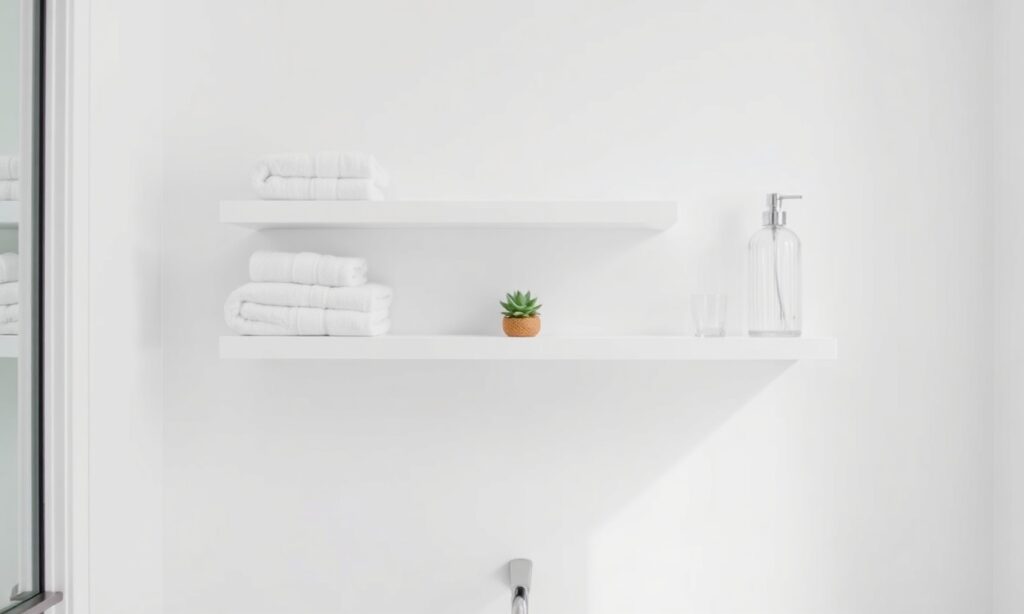
Bedrooms can benefit immensely from the minimalist appeal of floating shelves. A slim shelf above the headboard can serve as a bedside table, holding a lamp, a book, and a glass of water without the footprint of a traditional nightstand. In children’s rooms, they can be used to display books and toys at accessible heights, fostering a sense of order and independence. Bathrooms also find great utility in floating shelves, particularly for holding toiletries, towels, or decorative items. Moisture-resistant materials like treated wood, metal, or acrylic are advisable for these humid environments.
Expert Installation: Ensuring Safety and Longevity
While the aesthetic appeal of floating shelves is undeniable, proper installation is paramount for both safety and the shelf’s longevity. The seemingly simple design conceals a critical need for secure anchoring.
The Crucial Role of Wall Studs
The most secure method for installing floating shelves involves locating wall studs. These vertical wooden or metal beams within the wall provide the strongest anchor points. Using a stud finder is essential. The internal bracket of the floating shelf should be screwed directly into at least one, preferably two, studs. This ensures the shelf can bear its intended weight without risking detachment from the wall.
When Studs Aren’t an Option: Advanced Anchoring Techniques
In situations where stud placement is unfavorable, or for lighter-duty shelves, specialized drywall anchors can be employed. These include:
- Toggle Bolts: These have wings that expand behind the drywall, distributing the weight over a larger surface area.
- Molly Bolts: Similar to toggle bolts, they expand and grip the drywall securely.
- Heavy-Duty Wall Anchors: Designed for specific weight capacities, these can be a viable option for moderately weighted shelves when studs are unavailable.
It is crucial to select anchors rated for a weight significantly higher than the anticipated load. A professional recommendation from the shelf manufacturer or a hardware store expert is highly advised in these scenarios.
Maintaining the Magic: Care and Cleaning for Floating Shelves
The minimalist nature of floating shelves means they are often used for display, making their pristine appearance crucial. Regular care ensures they remain a stylish focal point in your home.
Daily Tidy-Ups and Dusting
The primary maintenance involves regular dusting. For wood shelves, a soft microfiber cloth is ideal, used in the direction of the wood grain. For painted or finished surfaces, a slightly damp cloth can be used to remove smudges, followed by a dry cloth. Avoid abrasive cleaners or excessive moisture, which can damage finishes.
Addressing Stains and Scratches
Minor scratches on wood shelves can often be buffed out with specialized wood repair markers or touch-up pens that match the shelf’s finish. For more significant damage, professional refinishing might be necessary. For laminate or veneer finishes, care must be taken as the protective layer can be thin; gentle cleaning is always best. Metal shelves can be cleaned with a mild soap and water solution, and polished with a metal cleaner if needed to restore shine.
Floating Shelves vs. Traditional Shelving: A Comparative Analysis
The choice between floating shelves and traditional options often hinges on desired aesthetics, space constraints, and functional needs. Understanding the distinct advantages and disadvantages of each can guide your decision-making process.
Aesthetics and Visual Impact
- Floating Shelves: Offer a sleek, modern, and uncluttered look. They create an illusion of space and can make a room feel larger and more airy. Their minimalist design integrates seamlessly into contemporary, Scandinavian, and minimalist interiors.
- Traditional Shelves: Often characterized by visible brackets, these can lend a more robust, classic, or utilitarian feel. They are well-suited for rustic, industrial, or more traditional decor styles where visible hardware is part of the design language.
Space Utilization and Perception
- Floating Shelves: Excel in small spaces by minimizing visual bulk. They can make a wall appear less crowded and more expansive.
- Traditional Shelves: Can sometimes appear heavier and more imposing, potentially making smaller rooms feel more confined if not chosen carefully.
Installation Complexity and Load Capacity
- Floating Shelves: Installation requires precision and often involves locating wall studs or using specialized anchors for secure mounting. While capable of supporting significant weight, improper installation can compromise their load-bearing capacity and safety.
- Traditional Shelves: Installation can sometimes be more straightforward, especially with simpler bracket systems. Their visible support structure can offer a clear indication of load distribution, and many are designed for substantial weight capacity out-of-the-box.
Research published in design journals suggests that homeowners increasingly favor designs that promote a sense of openness and minimalism, with floating shelves frequently being the chosen solution for achieving this effect in living areas and kitchens.
Creative Applications and Inspiring Ideas
Beyond basic storage, floating shelves offer a canvas for creative expression and innovative problem-solving in home design. Their adaptability allows them to transcend conventional uses.
The Floating Shelf as an Architectural Element
In minimalist or modern homes, a series of well-proportioned floating shelves can become a defining architectural feature. They can be used to create visual lines, break up large wall expanses, or even define zones within an open-plan layout. Consider a staggered arrangement for dynamic visual interest or a perfectly aligned grid for a more structured, gallery-like appearance.
Illuminating Your Displays
Enhance the impact of your floating shelves by integrating lighting. Small, battery-operated LED strip lights can be discreetly attached to the underside of shelves to cast a warm glow on displayed items. Alternatively, consider track lighting or spotlights positioned above the shelves to draw attention to curated collections. This adds both ambiance and functionality, transforming shelves from mere storage into illuminated display cases.
Floating Shelves in Unexpected Places
Don’t limit your thinking to the living room or kitchen. Floating shelves can add value in:
- Entryways: A slim shelf for keys, mail, and decorative accents near the front door.
- Hallways: To display artwork or family photos, turning a transitional space into a point of interest.
- Home Offices: For organizing books, stationery, and decorative items, promoting a more productive and inspiring workspace.
- Garages and Workshops: Sturdy, utilitarian floating shelves can provide organized storage for tools and supplies.
Key Takeaways
- Floating shelves offer a modern, minimalist aesthetic that enhances spatial perception and reduces visual clutter.
- Material choice (wood, metal, engineered wood) significantly impacts the shelf’s style and suitability for different decor.
- Strategic placement in living rooms, kitchens, bedrooms, and bathrooms maximizes both function and form.
- Secure installation, ideally into wall studs, is critical for safety and longevity; advanced anchors are an alternative when studs are unavailable.
- Regular dusting and gentle cleaning are essential for maintaining their pristine appearance.
- Floating shelves provide a versatile and stylish alternative to traditional shelving, particularly for those seeking an uncluttered look.
Frequently Asked Questions
How much weight can a typical floating shelf hold?
The weight capacity of a floating shelf varies greatly depending on its size, material, and, most importantly, the strength of its mounting system. A well-installed shelf on wall studs can typically support anywhere from 15 to 50 pounds or more. Shelves installed solely with drywall anchors will have a significantly lower weight limit, often in the 5-15 pound range, depending on the anchor type. Always consult the manufacturer’s specifications and err on the side of caution by not exceeding the recommended load.
Are floating shelves difficult to install?
Installation difficulty can range from moderate to challenging, primarily dependent on your DIY experience and the type of wall you are working with. Locating wall studs accurately with a stud finder and ensuring the shelf is perfectly level are key steps that require patience and precision. If you are uncomfortable with drilling into walls or working with mounting hardware, hiring a professional installer is a wise investment to ensure safety and a flawless finish.
What are the best materials for floating shelves in a bathroom?
Bathrooms are high-moisture environments, so material choice is crucial. Solid wood shelves should be sealed with a waterproof varnish or epoxy coating. Metal shelves (like stainless steel or powder-coated aluminum) are excellent choices for their durability and resistance to rust and corrosion. Treated engineered wood with a moisture-resistant laminate or veneer can also be suitable. Acrylic and tempered glass are also good options for their non-porous nature.
Can I use floating shelves to replace all my kitchen cabinets?
While it’s possible to replace some upper kitchen cabinets with floating shelves for a more open look, it’s generally not recommended to replace all of them unless you have ample alternative storage. Open shelving requires constant tidiness, and the exposed items can accumulate grease and dust more readily than in closed cabinets. It’s often best to use floating shelves strategically for displaying frequently used or aesthetically pleasing items, complemented by traditional closed cabinets for less attractive or less frequently accessed kitchenware.
How do I choose the right size and depth for my floating shelves?
Consider the primary purpose of the shelf. For displaying smaller decorative items like photos or figurines, a shallower depth (4-6 inches) might suffice. For holding books, larger decor, or even kitchenware, a deeper shelf (8-12 inches or more) will be necessary. The length should be proportional to the wall space it occupies and the items it will hold. Avoid shelves that are too long for the wall, as this can make the space feel unbalanced. Always measure the intended area carefully before purchasing.
Final Recommendations for Embracing Floating Shelves
Floating shelves are more than just a trend; they represent a sophisticated approach to home organization and design. Their ability to marry form and function, creating visual lightness and offering practical storage, makes them an invaluable addition to any interior. When selecting your shelves, prioritize quality materials and robust mounting hardware. Pay close attention to the installation process, ensuring a secure fit that respects your wall’s integrity and the shelf’s intended load. Don’t be afraid to experiment with different materials, finishes, and arrangements to find the perfect expression of your personal style. By thoughtfully integrating floating shelves, you can elevate your home’s aesthetic, enhance its perceived space, and curate a living environment that is both stylish and supremely functional.
See also: Floating Shelves