

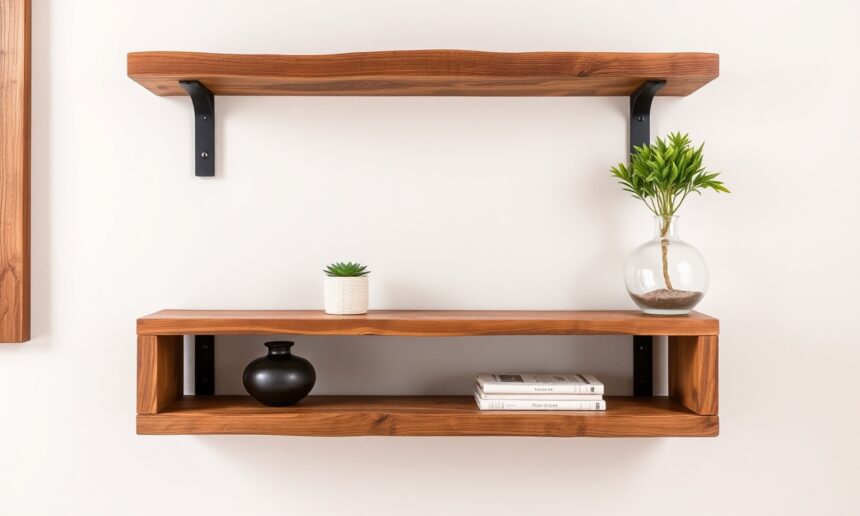
The Unassuming Power of Rustic Floating Shelves
Forget the sterile, minimalist trends that sweep through interior design with fleeting urgency. There’s a deeper, more enduring appeal to elements that evoke nature, history, and a sense of grounded comfort. Among these, rustic floating shelves have emerged not just as a decorative choice, but as a powerful design tool capable of fundamentally transforming a space. Their inherent ability to blend raw, natural aesthetics with sleek, modern functionality makes them uniquely versatile, offering a tactile and visual richness that mass-produced, contemporary alternatives often lack. This isn’t merely about adding storage; it’s about infusing a room with character, warmth, and a story that resonates with timeless appeal.
- The Unassuming Power of Rustic Floating Shelves
- The Allure of Natural Materials and Textures
- Aesthetic Versatility: From Farmhouse to Industrial Chic
- Practicality Meets Panache: The Functional Advantage
- Transforming Specific Spaces: A Room-by-Room Exploration
- Living Room Ambiance
- Kitchen Charm and Utility
- Bedroom Serenity and Storage
- Bathroom Elegance and Organization
- Expert Insight: Integrating Rustic Floating Shelves Seamlessly
- The DIY vs. Professional Installation Dilemma
- Sourcing Your Perfect Rustic Floating Shelves
- The Enduring Appeal and Future of Rustic Floating Shelves
- Frequently Asked Questions
Wikipedia: Contents — Wikipedia
Rustic floating shelves are more than just storage; they are proof of enduring style, a bridge between the raw beauty of nature and the curated elegance of home.
What sets rustic floating shelves apart is their multifaceted character. They speak of reclaimed wood, of weathered textures, of the subtle imperfections that tell a story. Yet, their “floating” nature lends them a contemporary edge, an illusion of lightness that prevents them from feeling heavy or dated. This juxtaposition is precisely where their transformative power lies. They can anchor a room with their substantial presence while simultaneously creating an open, airy feel. Unlike traditional shelving units that can dominate a space, floating shelves appear to defy gravity, offering a sense of elegant simplicity.
This article explores the profound impact these shelves can have, examining their aesthetic versatility, practical benefits, and the expert insights needed to integrate them seamlessly into your home.
Rustic floating shelves are a masterclass in duality: embodying both the ruggedness of nature and the refined simplicity of modern design.
The Allure of Natural Materials and Textures
The foundational appeal of rustic floating shelves lies in their material essence. Typically crafted from solid wood – often reclaimed or featuring prominent natural grain patterns – they bring an undeniable warmth and authenticity into a home. This isn’t the polished, uniform veneer of mass-market furniture; it’s the tangible presence of wood that has lived. Think of the subtle undulations in the grain, the occasional knot that adds character, or the slightly weathered finish that hints at a past life. These imperfections are not flaws; they are the very hallmarks of rustic charm, imbuing each shelf with a unique identity.
The tactile experience of rustic wood is also a significant factor in its popularity. Running a hand over a well-crafted rustic shelf offers a sensory pleasure that smooth, manufactured surfaces simply cannot replicate. This connection to natural materials can create a more grounded and comforting atmosphere within a home, a welcome counterpoint to the often-digital, fast-paced modern world. Studies consistently highlight the positive psychological impact of natural elements in interior spaces. Research suggests that exposure to natural elements, including wood, can reduce stress and improve mood. This translates directly to the home environment, where the presence of rustic wood can foster a sense of tranquility and well-being.
Aesthetic Versatility: From Farmhouse to Industrial Chic
One of the most compelling aspects of rustic floating shelves is their remarkable adaptability across a spectrum of interior design styles. While the term “rustic” might conjure images of cozy cabins and country farmhouses, these shelves possess a chameleon-like quality that allows them to integrate beautifully into far more diverse settings. In a farmhouse aesthetic, they are practically a native element, perfect for displaying vintage crockery, mason jars, and bundles of dried herbs. Their sturdy, natural appearance complements the characteristic simplicity and warmth of this style.
However, their appeal extends far beyond the farmhouse. In an industrial-inspired loft, rustic floating shelves, perhaps made from darker, more distressed wood with visible joinery, can provide a striking contrast to exposed brick, metal accents, and concrete floors. They offer a touch of organic warmth that softens the often-harsh industrial palette. Similarly, in a contemporary or transitional space, a single rustic floating shelf can serve as a focal point, introducing texture and a unique point of interest without overwhelming the room’s existing design. This ability to bridge seemingly disparate styles is proof of the timeless and universally appealing nature of natural wood textures and honest craftsmanship.
The magic of rustic floating shelves lies in their ability to be both a statement piece and a subtle, grounding element, effortlessly adapting to diverse design narratives.
Practicality Meets Panache: The Functional Advantage
Beyond their undeniable aesthetic appeal, rustic floating shelves offer significant practical advantages, most notably in their space-saving design. The “floating” aspect means no visible brackets or supports, creating a clean, uncluttered look that maximizes the perception of space. This is particularly beneficial in smaller rooms, narrow hallways, or apartments where every square inch counts. They can transform a blank wall into a functional display or storage area without encroaching on valuable floor space.
Furthermore, their installation, when done correctly, is remarkably secure and robust. While appearing light and airy, well-mounted rustic floating shelves can bear substantial weight, making them suitable for holding books, decorative items, plants, and even heavier objects like pottery or small appliances in a kitchen setting. This dual benefit of efficient space utilization and reliable load-bearing capacity makes them an intelligent choice for both form and function. The absence of visible hardware also simplifies cleaning and dusting, contributing to a more streamlined and low-maintenance home environment.
Transforming Specific Spaces: A Room-by-Room Exploration
The impact of rustic floating shelves is perhaps best understood by examining their application in various rooms:
Living Room Ambiance
In a living room, rustic floating shelves can serve as a stylish alternative to bulky entertainment units or traditional bookcases. They can be arranged asymmetrically above a sofa to display cherished photographs, art pieces, or a curated collection of books. Their natural texture adds a layer of warmth and personality, making the space feel more inviting and lived-in. Consider a longer shelf to showcase a collection of plants, bringing a touch of biophilic design into your urban dwelling.
Kitchen Charm and Utility
The kitchen is another area where rustic floating shelves truly shine. They can replace upper cabinets for a more open and airy feel, displaying everyday dishes, glassware, and spices. This openness can make a kitchen feel larger and more accessible. Imagine displaying your favorite ceramic mugs, artisanal olive oil bottles, or a selection of cookbooks. The natural wood also adds a cozy, farmhouse-inspired touch that can be particularly effective in kitchens with a more modern or minimalist design, providing a much-needed element of warmth and character.
Bedroom Serenity and Storage
In the bedroom, rustic floating shelves can act as elegant bedside tables or as decorative accents above a headboard. They are perfect for holding a book, a small lamp, and personal items, offering a minimalist yet functional solution. Their natural aesthetic can contribute to a serene and calming atmosphere, conducive to rest and relaxation. A well-placed shelf can also provide discreet storage for essentials without the visual clutter of traditional nightstands.
Bathroom Elegance and Organization
Even in the bathroom, rustic floating shelves can add a touch of spa-like elegance. They are ideal for displaying decorative towels, soaps, and small plants. The natural wood can soften the often-sterile environment of a bathroom, creating a more welcoming and spa-like retreat. Ensure the wood is properly sealed to withstand humidity, a crucial step for longevity in this environment.
Expert Insight: Integrating Rustic Floating Shelves Seamlessly
Successfully integrating rustic floating shelves requires a thoughtful approach that considers scale, proportion, and the overall aesthetic of the room. It’s not simply a matter of screwing a plank of wood to the wall.
The placement of rustic floating shelves is as critical as their selection. Consider the visual weight they will add to a wall. A single, substantial shelf can make a powerful statement, while a series of smaller shelves can create a more dynamic arrangement. The height at which they are mounted also plays a significant role. Lower shelves can feel more grounded and accessible, while higher shelves can draw the eye upward, creating a sense of verticality.
When pairing them with other decor elements, aim for balance. If your shelves are heavily textured, consider smoother elements elsewhere in the room to avoid visual overload. Conversely, if your existing decor is very sleek and modern, a rustic shelf can provide a welcome tactile and visual contrast. Think about the items you’ll display on them. A thoughtfully curated collection of books, plants, and decorative objects will enhance the shelf’s impact, transforming it from mere storage into a personalized art installation.
The DIY vs. Professional Installation Dilemma
For the handy homeowner, installing rustic floating shelves can be a rewarding DIY project. Many retailers offer kits with pre-drilled holes and mounting hardware, simplifying the process. However, it’s crucial to have the right tools and a solid understanding of wall construction and weight-bearing principles. Ensuring the shelves are level and securely anchored is paramount for both safety and aesthetics.
For those less inclined towards DIY, or for more complex installations, professional installation is a wise investment. A skilled carpenter or handyman can ensure the shelves are perfectly aligned, securely mounted, and integrated seamlessly into your existing wall structure. They can also offer advice on the best mounting solutions for your specific wall type and the intended load of the shelves.
Sourcing Your Perfect Rustic Floating Shelves
The market offers a diverse range of options for acquiring rustic floating shelves. Specialty furniture stores, home decor boutiques, and online marketplaces are excellent starting points. Many artisans and small businesses focus on crafting custom rustic shelving, offering unique pieces that can be tailored to your specific dimensions and style preferences. Websites like Etsy are particularly rich with handmade options.
When sourcing, consider the origin of the wood. Shelves made from reclaimed wood not only offer a unique aesthetic but also contribute to sustainability by repurposing materials. Look for descriptions that detail the wood’s history or provenance, adding an extra layer of narrative to your purchase. Read reviews carefully to gauge the quality of craftsmanship and the customer service provided.
The Enduring Appeal and Future of Rustic Floating Shelves
Rustic floating shelves have transcended a mere trend to become a staple in interior design. Their ability to embody both the rugged charm of nature and the clean lines of modern living ensures their continued relevance. As interior design continues to evolve, the demand for elements that bring warmth, authenticity, and a sense of connection to the natural world will only grow. Rustic floating shelves perfectly fulfill this need, offering a timeless solution for enhancing both the beauty and functionality of any home. They are proof of the enduring power of natural materials and thoughtful design, proving that true style is not about fleeting fads, but about creating spaces that feel both personal and profoundly comforting.
Frequently Asked Questions
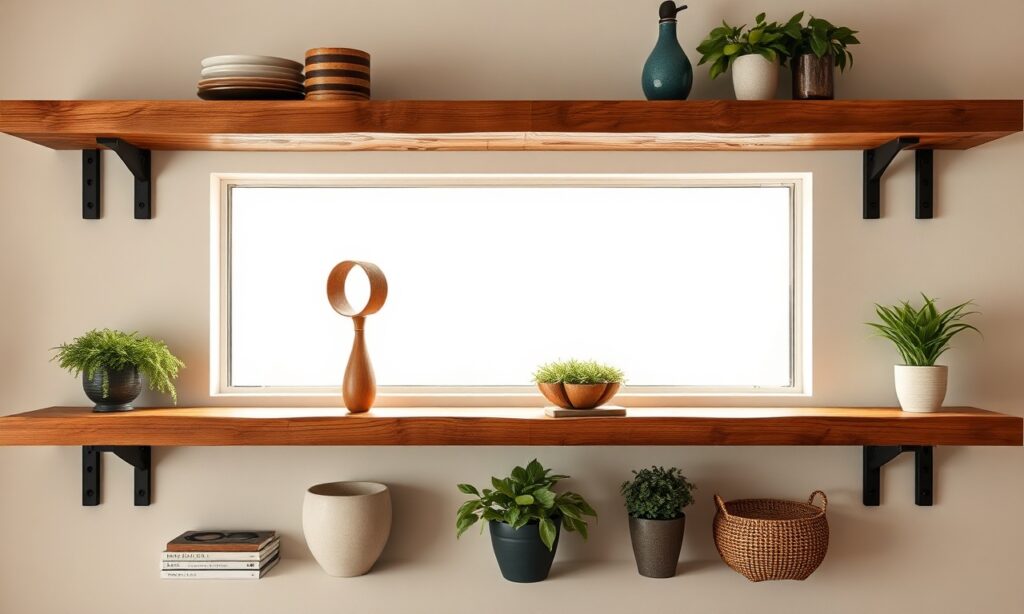
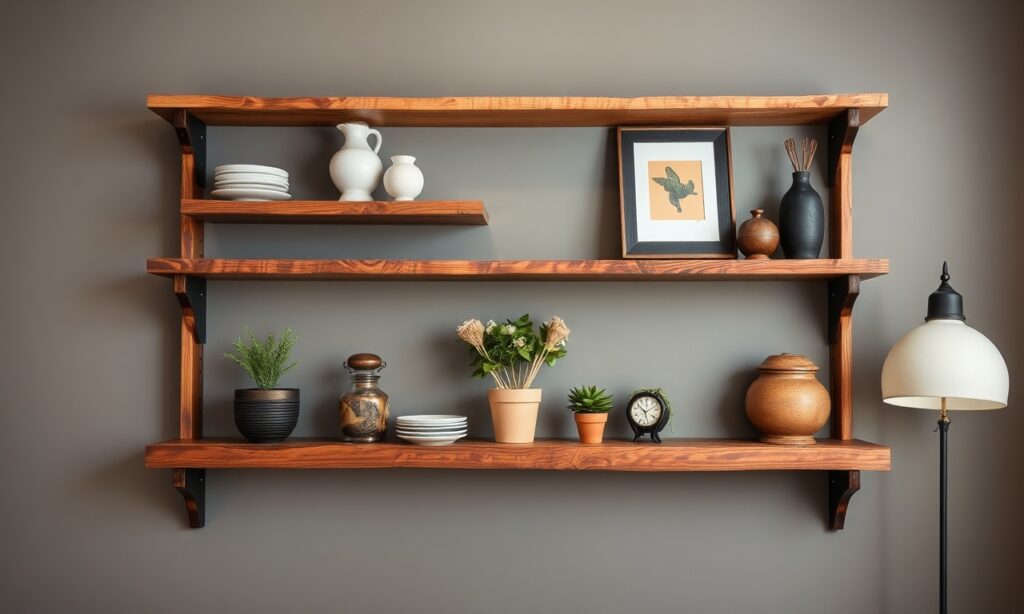
What types of wood are best for rustic floating shelves?
The best woods for rustic floating shelves are those that naturally exhibit rich grain patterns and character. Reclaimed pine, oak, and walnut are excellent choices, offering a distinctively rustic aesthetic. Cedar and Douglas fir can also work well, providing unique colorations and scents. For a more distressed look, consider woods that have been lightly sanded or treated to enhance their texture and age. The key is to choose wood that has inherent visual interest and can support the intended load securely.
How do I clean and maintain rustic floating shelves?
Cleaning rustic floating shelves is generally straightforward. For everyday dusting, a soft cloth or a feather duster is sufficient. For more thorough cleaning, use a slightly damp cloth with a mild soap solution, ensuring you wipe away any excess moisture immediately to prevent wood damage. Avoid harsh chemicals or abrasive cleaners, as these can strip the finish or damage the wood’s surface. For shelves exposed to moisture, such as in a kitchen or bathroom, ensure they are properly sealed with a water-resistant finish and reapply as needed to maintain protection. Periodically check the mounting hardware to ensure it remains secure.
Can rustic floating shelves be used in a very modern or minimalist home?
Absolutely. Rustic floating shelves can be a powerful tool for introducing warmth, texture, and a point of contrast into modern or minimalist interiors. A single, well-placed rustic shelf can break up the sleekness of a monochromatic scheme, adding visual interest and a touch of organic character. The key is to select a shelf with a cleaner, less heavily distressed finish and to curate the items displayed on it thoughtfully. Pairing them with minimalist decor can create a sophisticated juxtaposition, demonstrating that rustic elements can be incredibly versatile and sophisticated.
What is the weight capacity of typical rustic floating shelves?
The weight capacity of rustic floating shelves can vary significantly depending on the material, thickness, length, and, most importantly, the mounting hardware and installation method. Thicker, solid wood shelves with robust, concealed mounting systems can often support anywhere from 15 to 50 pounds or more per linear foot. However, it is crucial to consult the manufacturer’s specifications or recommendations for the specific shelves you are using. For heavier items, always ensure the shelves are mounted directly into wall studs or using appropriate heavy-duty anchors designed for substantial loads.
Are rustic floating shelves difficult to install?
The installation difficulty for rustic floating shelves depends on the type of shelf and your DIY experience. Many commercially available floating shelves come with integrated mounting systems that simplify installation, often requiring just a few screws into wall studs. However, ensuring they are perfectly level and securely anchored for significant weight requires precision and the right tools. If you are not comfortable with basic carpentry, identifying studs, or using a level, it is highly recommended to hire a professional installer to ensure a safe and aesthetically pleasing result.
See also: Rustic Floating