
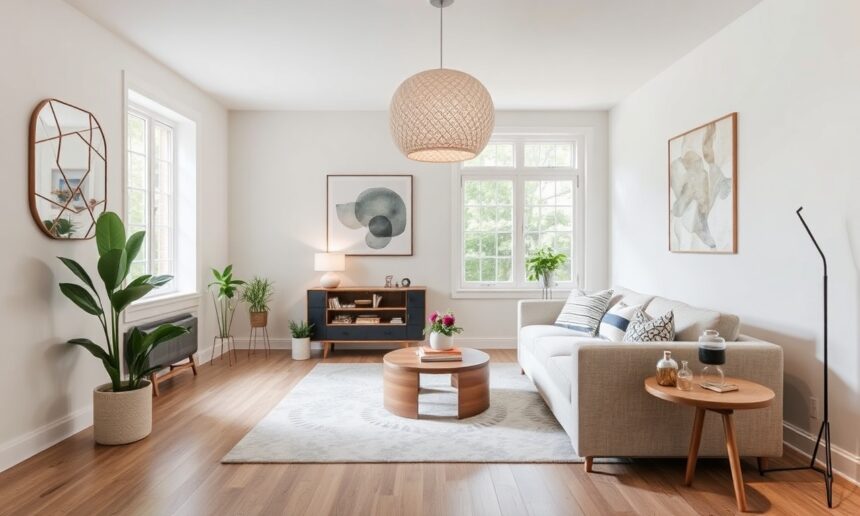
- Home Design Inspiration: The Comprehensive Overview for Your Dream Space
- Foundational Principles of Successful Home Design
- Functionality: The Bedrock of Your Space
- Aesthetics: Expressing Your Personal Style
- Lighting: Shaping Ambiance and Function
- Proportion and Scale: Harmonizing Elements
- Exploring Diverse Home Design Styles
- Modern Design: Clean Lines and Simplicity
- Scandinavian Design: Warmth, Simplicity, and Nature
- Industrial Design: Raw, Unfinished, and Utilitarian
- Bohemian Design: Eclectic, Free-Spirited, and Personal
- The Psychology and Impact of Color
- Warm Colors: Energy and Intimacy
- Cool Colors: Calmness and Serenity
- Neutral Colors: Versatility and Sophistication
- The Importance of Materials in Design
- Achieving Cohesion and Flow
- The Role of Floor Plans
- Consistent Design Elements
- Thoughtful Furniture Arrangement
- Accessorizing and Personal Touches
- Timeless Principles vs. Fleeting Trends
- Conclusion: Crafting Your Authentic Space
- Frequently Asked Questions About Home Design
Home Design Inspiration: The Comprehensive Overview for Your Dream Space
Home Design, at its core, is the art and science of shaping our immediate surroundings to reflect our aspirations and enhance our daily lives. It’s a deeply personal yet universally resonant endeavor, transforming mere structures into sanctuaries. The decisions made during this process – from the grand architectural gestures to the minutiae of textile choices – cumulatively sculpt the atmosphere, dictate the flow of movement, and ultimately, influence our well-being. When approached with intention and insight, Home Design becomes a powerful tool for self-discovery and a catalyst for a more fulfilling existence within our own walls.
Home Design is not merely about aesthetics; it’s the intentional cultivation of a space that nurtures, inspires, and supports the life you aspire to live.
Foundational Principles of Successful Home Design
Before diving into specific styles or trends, it is crucial to grasp the foundational principles that underpin successful Home Design. These pillars serve as a compass, guiding your decisions and ensuring that your vision is both beautiful and practical. Neglecting any one of these can lead to a space that feels incomplete, dysfunctional, or simply not you.
Functionality: The Bedrock of Your Space
The most exquisite décor loses its luster if the space doesn’t work for you. Functionality is the bedrock of good Home Design. This involves understanding how you and your household actually use the space. Consider the daily routines: where do you prepare meals? Where do you unwind? How much storage do you require?
When it comes to Home Design, A key aspect of functionality is space planning. This is the strategic arrangement of furniture and architectural elements to optimize movement and accessibility. Poor flow can lead to awkward bottlenecks, underutilized corners, and a general sense of unease. Conversely, excellent flow creates intuitive pathways, making a home feel larger and more welcoming. For instance, a common mistake is placing a sofa directly in front of a main walkway, disrupting the natural movement between rooms. Instead, orienting furniture to create defined zones for different activities – a reading nook, a conversation area, a workspace – enhances usability significantly.
Aesthetics: Expressing Your Personal Style
Once functionality is addressed, aesthetics come to the forefront. This is where personal taste and style truly shine. Home Design styles are as diverse as the individuals who inhabit them, ranging from minimalist and modern to bohemian and traditional. The key is to identify a style that resonates with your personality and lifestyle, or to skillfully blend elements from different styles to create a unique, cohesive look.
In the context of Home Design, Choosing a style isn’t about rigidly adhering to rules; it’s about creating a harmonious visual language. This involves considering color palettes, material choices, furniture silhouettes, and decorative accents. A consistent color scheme throughout the home, for example, can create a sense of unity, even between rooms with distinct purposes. Similarly, the repetition of certain textures or patterns can tie disparate elements together.
Lighting: Shaping Ambiance and Function
Often underestimated, lighting is a critical, transformative element in Home Design. It impacts mood, perception of space, and functionality. A well-lit room can feel expansive and inviting, while a poorly lit one can feel cramped and oppressive. Effective lighting design typically incorporates three layers:
- Ambient lighting: This is the general, overall illumination of a space, provided by ceiling fixtures like chandeliers or recessed lighting.
- Task lighting: This is focused light for specific activities, such as under-cabinet lighting in a kitchen or a reading lamp beside an armchair.
- Accent lighting: This is used to highlight architectural features, artwork, or plants, adding depth and drama to the room.
Around Home Design, The quality of light also matters. Natural light is invaluable; maximizing its presence through thoughtful window placement and treatments can significantly enhance a home’s appeal and occupants’ well-being. Studies have shown that access to natural light can improve mood and productivity. For example, research published in the Journal of Clinical Sleep Medicine suggests that exposure to natural light during the day helps regulate our circadian rhythms, leading to better sleep quality.
Proportion and Scale: Harmonizing Elements
Regarding Home Design, The relationship between the size of furniture, décor, and the room itself is paramount. Proportion refers to the relative size of objects within a design, while scale refers to the size of an object relative to the overall space. Furniture that is too large for a small room will make it feel cluttered and claustrophobic. Conversely, small furniture in a vast room can appear lost and insignificant.
When it comes to Home Design, Achieving the right balance ensures that every element feels appropriately sized and contributes to the overall harmony. When selecting a sofa, for instance, consider its length, depth, and height in relation to the dimensions of the living room. A sectional might be perfect for a large, open-plan space, while a compact loveseat might be more suitable for a cozy apartment.

Exploring Diverse Home Design Styles
The world of Home Design is a diverse mix of styles, each offering a unique aesthetic and philosophical approach. Understanding these distinct styles can help you define your preferences and curate a look that speaks to your soul.
Modern Design: Clean Lines and Simplicity
In the context of Home Design, Modern Design, which emerged in the early to mid-20th century, is characterized by its emphasis on clean lines, geometric forms, and a minimalist aesthetic. It often features open floor plans, abundant natural light, and a deliberate lack of ornamentation. Materials like steel, glass, and concrete are common, juxtaposed with natural elements like wood to add warmth.
Key features of Modern Design include:
- Uncluttered spaces: A focus on essential elements, with little to no unnecessary decoration.
- Neutral color palettes: Whites, grays, blacks, and earthy tones often form the base, with occasional pops of bold color.
- Functional furniture: Pieces are often sleek, low-profile, and designed with utility in mind.
- Emphasis on natural materials: Wood, stone, and metal are used in their raw or minimally processed forms.
Scandinavian Design: Warmth, Simplicity, and Nature
Hailing from the Nordic countries, Scandinavian Design is celebrated for its warmth, simplicity, and deep connection to nature. It shares many principles with Modern Design, particularly its clean lines and functionality, but infuses a cozier, more inviting atmosphere. The concept of “hygge” – a Danish and Norwegian word for a mood of coziness and comfortable conviviality – is central to this style.
Key features of Scandinavian Design include:
- Light and airy interiors: Predominantly white or light-colored walls to maximize natural light.
- Natural materials: Light-toned woods like birch, ash, and pine are prevalent.
- Comfortable textiles: Wool, linen, and sheepskin are used to add texture and warmth.
- Functional yet inviting furniture: Pieces are practical, often with soft edges and natural finishes.
- Minimalist décor with natural accents: Plants, botanical prints, and simple decorative objects.
Industrial Design: Raw, Unfinished, and Utilitarian
Industrial Design draws inspiration from warehouses, factories, and urban lofts. It embraces raw, unfinished materials and an exposed aesthetic, celebrating the utilitarian beauty of structural elements. This style is characterized by its ruggedness and a sense of history, often incorporating reclaimed materials and vintage pieces.
Key features of Industrial Design include:
- Exposed brick and concrete: Walls and floors are often left in their natural state.
- Metal accents: Black metal, iron, and copper are used for fixtures, furniture legs, and decorative elements.
- Open floor plans and high ceilings: Mimicking the vastness of industrial spaces.
- Vintage and reclaimed furniture: Pieces with character and a story to tell.
- Neutral and muted color palettes: Grays, browns, blacks, and whites dominate.
Bohemian Design: Eclectic, Free-Spirited, and Personal
Bohemian Design is an eclectic, free-spirited, and highly personal style that rejects rigid rules. It’s about layering textures, patterns, and colors to create a rich, inviting, and unconventional space. Boho style embraces individuality and often incorporates vintage finds, global influences, and handmade items.
Key features of Bohemian Design include:
- Layered textures: Mixing rugs, throws, pillows, and tapestries.
- Vibrant color palettes: Jewel tones, earthy hues, and bold patterns are common.
- Global influences: Incorporating elements from different cultures, such as Moroccan lanterns or Indian textiles.
- Vintage and antique pieces: Uniquely found items that add character.
- Abundant plants: Bringing the outdoors in and adding a touch of life.
- Personal mementos: Displaying art, books, and souvenirs that tell a story.

The Psychology and Impact of Color
Color is one of the most powerful tools in the Home Design arsenal, capable of evoking emotions, influencing moods, and altering the perception of space. Understanding color theory and its psychological impact is essential for creating a desired atmosphere.
Warm Colors: Energy and Intimacy
Warm colors, such as reds, oranges, and yellows, are known for their ability to create a sense of energy, warmth, and intimacy. Red can stimulate conversation and appetite, making it suitable for dining rooms or social areas, though it should be used judiciously as too much can be overwhelming. Orange evokes enthusiasm and creativity, while yellow can bring cheerfulness and optimism.
- Red: Passion, energy, excitement, courage. Can also signify danger or anger.
- Orange: Enthusiasm, creativity, warmth, joy.
- Yellow: Happiness, optimism, intellect, sunshine. Can sometimes induce anxiety if too bright or overused.
Cool Colors: Calmness and Serenity
Cool colors, including blues, greens, and purples, tend to have a calming, soothing, and serene effect. Blue is often associated with peace and tranquility, making it ideal for bedrooms and bathrooms. Green, the color of nature, promotes balance and harmony. Purple can evoke luxury and creativity, but lighter shades are generally more restful.
- Blue: Calmness, serenity, trust, stability. Lighter blues can make a space feel larger.
- Green: Nature, balance, harmony, growth, freshness.
- Purple: Royalty, luxury, creativity, spirituality. Lighter shades are more relaxing.
Neutral Colors: Versatility and Sophistication
Neutral colors – whites, grays, beiges, and browns – are the versatile workhorses of Home Design. They provide a sophisticated backdrop, allowing other elements in the room to stand out. Neutrals can create a sense of spaciousness and tranquility, and their adaptability makes them easy to pair with accent colors or textures.
- White: Purity, cleanliness, spaciousness, simplicity. Can feel stark if not balanced with other elements.
- Gray: Sophistication, neutrality, balance, modernity. Offers a softer alternative to black.
- Beige/Brown: Earthiness, warmth, comfort, stability. Evokes natural materials.
💡 Expert Insight
Expert Insight: When selecting a color palette, consider the natural light a room receives. North-facing rooms tend to have cooler light, benefiting from warmer tones to create coziness. South-facing rooms receive abundant warm light, allowing for cooler colors to balance the intensity.
The Importance of Materials in Design
The materials you choose have a profound impact on the look, feel, and durability of your home. They contribute significantly to the overall aesthetic, tactile experience, and even the air quality of your living space.
Natural Materials: Timeless Appeal
Materials like wood, stone, bamboo, and natural fibers (cotton, linen, wool) offer a timeless appeal and often contribute to a more sustainable Home Design.
- Wood: Versatile and warm, wood can be used for flooring, furniture, cabinetry, and decorative accents. Its natural variations in grain and color add unique character.
- Stone: From granite countertops to marble accents and slate flooring, stone brings a sense of natural elegance and durability.
- Natural Fibers: Used in upholstery, curtains, rugs, and bedding, these materials offer breathability, comfort, and a connection to nature.
Manufactured Materials: Innovation and Performance
While natural materials are cherished, manufactured materials also matter significantly, offering innovation, specific performance characteristics, and often, cost-effectiveness.
- Metals: Stainless steel, brushed nickel, brass, and wrought iron are used extensively for fixtures, hardware, furniture frames, and decorative elements, offering durability and a range of aesthetic finishes.
- Glass: Used in windows, doors, tabletops, and decorative objects, glass can enhance light, create a sense of openness, and add a touch of sophistication.
- Engineered Wood Products: Plywood, MDF, and particleboard are common in cabinetry and furniture, offering stability and a consistent finish.
- Recycled and Sustainable Materials: Increasingly, designers are opting for materials like recycled glass countertops, reclaimed wood, and bamboo, which offer environmental benefits without compromising on style or performance.
Achieving Cohesion and Flow
The ultimate goal of Home Design is to create a space that feels cohesive, reflecting a singular vision that flows seamlessly from room to room. This doesn’t mean every room must be identical, but rather that there should be an underlying thread connecting them.
The Role of Floor Plans
A well-thought-out floor plan is the blueprint for your home’s narrative. It dictates the relationship between spaces and how one moves through them. Consider how the living room connects to the dining area, or how the kitchen flows into the family room. Open-plan living has become increasingly popular, fostering a sense of connection, but even in more traditional layouts, thoughtful transitions are key.
Consistent Design Elements
As mentioned, a consistent color palette and the strategic use of certain materials can tie the entire home together. This doesn’t mean using the exact same shade of beige everywhere, but rather employing a cohesive range of colors and materials that complement each other. For example, if you have oak flooring in most of your home, using accents of oak in other rooms – perhaps a picture frame, a side table, or even wooden drawer pulls – can reinforce the material’s presence and create a sense of unity.
Thoughtful Furniture Arrangement
Furniture is the tangible expression of your style and needs. Selecting pieces that align with your chosen aesthetic and arranging them to facilitate flow and conversation is crucial.
- Define Zones: Within larger rooms, use furniture to create distinct areas for different activities (e.g., a seating area, a reading nook).
- Prioritize Scale: Ensure furniture is appropriately sized for the room. Avoid overcrowding or leaving vast empty spaces.
- Consider Sightlines: Arrange furniture so that it doesn’t obstruct natural views or pathways.
- Foster Conversation: Group seating arrangements to encourage interaction, rather than having all furniture pushed against the walls.
Accessorizing and Personal Touches
While large-scale decisions about furniture and color are vital, it’s often the accessories and personal touches that truly bring a home to life and make it unique. This includes artwork, photographs, decorative objects, plants, and textiles. These elements allow you to inject your personality and tell your story.
⚠️ Pro-Caution
Pro-Caution: While personal touches are essential, avoid clutter. Every item should have a purpose or bring significant joy. Too many small, disparate objects can detract from the overall design and create visual noise.
Timeless Principles vs. Fleeting Trends
Navigating the world of Home Design often involves a consideration of current trends versus investing in timeless elements. While trends can offer fresh inspiration and a contemporary edge, a solely trend-driven approach can lead to a home that quickly feels dated.
Enduring Design Principles
Certain Home Design principles are timeless because they address fundamental human needs for comfort, beauty, and functionality. These include:
- Good lighting: Natural and artificial light will always be crucial for ambiance and usability.
- Functional layouts: Spaces that are easy to navigate and serve their intended purpose will remain effective.
- Quality materials: Durable and aesthetically pleasing materials have enduring appeal.
- Comfortable and ergonomic furniture: Pieces that support well-being are always in vogue.
Integrating Trends Wisely
Trends can be a wonderful way to update your space and keep it feeling fresh. However, it’s wise to integrate them thoughtfully.
- Use trends as accents: Incorporate trendy colors, patterns, or accessories through items that are easily changed, such as throw pillows, artwork, or decorative objects.
- Invest in timeless core pieces: Opt for classic, high-quality furniture and architectural elements that will stand the test of time, and then layer trendy items on top.
- Research the longevity of a trend: Some trends are fleeting fads, while others have more staying power and can evolve into new design movements.
The 2023 and 2024 design landscape, for instance, shows a continued emphasis on biophilic design (incorporating nature), sustainable materials, and a move towards warmer, more inviting color palettes, moving away from stark minimalism. These are not just fleeting trends but represent a broader shift towards creating homes that are healthier and more harmonious. According to a report by Houzz, searches for “sustainable home” increased by 70% in 2023, indicating a strong consumer interest in eco-friendly options.
Conclusion: Crafting Your Authentic Space
Crafting your dream space is an ongoing evolution, a process of refinement and adaptation. The most successful Home Design projects are those that are deeply personal, meticulously planned, and executed with an eye for both beauty and practicality.
Start by deeply understanding your needs and lifestyle. What activities do you engage in most? What atmosphere do you wish to cultivate? Gather inspiration from sources that genuinely resonate with you – magazines, Pinterest, architectural tours – but always filter it through your own preferences. Don’t be afraid to experiment with color, texture, and form. Remember that your home is a canvas for your life, and its design should reflect your unique journey and aspirations. Consider consulting with a professional designer for complex projects or if you feel overwhelmed by the choices. Ultimately, the most inspiring spaces are those that feel authentic and lived-in, a true reflection of the people who call them home.
Frequently Asked Questions About Home Design
What is the most crucial aspect of Home Design?
The most crucial aspect of Home Design is functionality. A home must first and foremost serve the needs of its occupants, facilitating daily life with ease and comfort. Without a functional layout and well-considered spaces, even the most beautiful aesthetics will fall short.
How can I make a small home feel larger?
Making a small home feel larger involves strategic design choices. These include using a light color palette, maximizing natural light through sheer window treatments, opting for multi-functional furniture, employing mirrors to create an illusion of depth, and maintaining minimal clutter. Vertical space can also be utilized with tall, narrow storage solutions.
How do I achieve cohesion in my home design?
Cohesion in Home Design is achieved through a consistent color palette, the repeated use of certain materials or textures, a unified style (or a skillfully blended mix of styles), and thoughtful furniture arrangement that promotes flow. Accessories and decorative elements should also complement the overall narrative.
How can I incorporate trends without dating my home?
To incorporate trends without dating your home, use them as accents rather than foundational elements. Opt for trendy colors or patterns in easily replaceable items like throw pillows, artwork, or decorative objects. Invest in timeless, high-quality core pieces like sofas and tables, and then layer on trend-driven accessories that can be updated as styles evolve.
What is the role of lighting in Home Design?
Lighting is transformative in Home Design. It significantly impacts mood, perception of space, and functionality. Effective lighting design involves layering ambient, task, and accent lighting to create different atmospheres and ensure practical illumination for various activities. Maximizing natural light is also a key component.
Sources:
- Wikipedia: Contents — Wikipedia
- Journal of Clinical Sleep Medicine
- Houzz Reports
See also: Home Design