

The Tyranny of Clutter: Reclaiming Your Sanctuary
In a world saturated with information and possessions, the constant hum of distraction can feel overwhelming. We accumulate, we organize, we re-organize, yet the sense of peace often remains elusive. I recall a client, a successful architect, whose home, despite its modern lines, felt perpetually chaotic. Stacks of magazines teetered, art supplies spilled from drawers, and the sheer volume of objects seemed to stifle creativity. It wasn’t a lack of desire for order, but a fundamental misunderstanding of how to achieve it. This is where the profound power of minimalist design truly shines, offering not just an aesthetic, but a philosophy for living.
- The Tyranny of Clutter: Reclaiming Your Sanctuary
- Embracing Minimalism: Practical Applications
- Minimalist Design in Practice: Room by Room
- The Minimalist Living Room
- The Serene Minimalist Bedroom
- The Functional Minimalist Kitchen
- The Streamlined Minimalist Bathroom
- Beyond Aesthetics: The Psychological Benefits of Minimalist Design
- Implementing Minimalist Design: A Step-by-Step Approach
- Step 1: Assess Your Space and Needs
- Step 2: The Decluttering Process
- Step 3: Define Your Aesthetic
- Step 4: Strategic Placement and Organization
- Step 5: Conscious Consumption
- The Future of Minimalist Design
- Frequently Asked Questions
- What is the fundamental difference between minimalism and sparseness?
- Is minimalist design only for modern homes?
- How can I start decluttering without feeling overwhelmed?
- Does minimalist design mean I can’t have any decorations?
- Final Recommendations
Wikipedia: Contents — Wikipedia
Minimalist Design is more than just white walls and sparse furniture; it’s a deliberate curation of your environment to amplify what truly matters. It’s about intentionality, about stripping away the superfluous to reveal the essential. This approach, rooted in principles of simplicity and functionality, can transform not only your physical space but also your mental landscape, fostering greater clarity, productivity, and a profound sense of calm.
Minimalism isn’t about deprivation; it’s about making room for what truly nourishes your soul.
The Core Tenets of Minimalist Design
At its heart, minimalist design is characterized by a reduction to essential elements. This doesn’t mean abandoning comfort or personality, but rather approaching each design choice with a discerning eye. The guiding principles are clarity, functionality, and intentionality. Every object, every surface, every color choice serves a purpose, contributing to an overall sense of harmony and order. This deliberate curation distinguishes true minimalism from mere sparseness. It’s about quality over quantity, and purpose over possession.
The aesthetic often associated with minimalism—clean lines, neutral palettes, and open spaces—is a natural consequence of these core tenets. When you focus on essential form and function, extraneous decoration tends to fall away. This creates an environment that feels breathable, allowing both occupants and design elements to take center stage without competing for attention.
Historical Roots and Evolution
While often perceived as a contemporary trend, the roots of minimalist design stretch back centuries. Influences can be traced to Zen Buddhism in Japan, with its emphasis on simplicity, natural materials, and the beauty of imperfection. The Shaker communities in America also championed a utilitarian aesthetic, prioritizing functionality and plainness. In the 20th century, movements like De Stijl in the Netherlands and the Bauhaus school in Germany further refined these ideas, advocating for geometric forms, primary colors, and the integration of art and craft with technology.
The modern minimalist movement gained traction in the mid-20th century, influenced by artists and architects who sought to distill form to its absolute essence. Figures like Donald Judd, with his minimalist sculptures, and architects like Ludwig Mies van der Rohe, with his famous adage “less is more,” laid crucial groundwork. This evolution has seen minimalism adapt and diversify, moving beyond purely abstract art and architecture to influence interior design, fashion, and even digital interfaces, proving its enduring relevance and adaptability.
Embracing Minimalism: Practical Applications
The philosophy of minimalist design is not confined to grand architectural statements; it can be woven into the fabric of everyday living, transforming individual rooms and personal habits. The key is to apply its principles with intention, focusing on how each element contributes to the overall atmosphere you wish to cultivate. This often involves a process of decluttering, both physically and mentally, to make space for what truly adds value.
Decluttering as a Foundation
The first, and perhaps most crucial, step in adopting minimalist design is decluttering. This is not merely about tidying up; it’s a process of thoughtful curation, asking yourself about the true purpose and value of each item. Some methods encourage holding each item and asking if it “sparks joy.” While not strictly a design principle, this emotional connection and questioning of utility are fundamental to minimalist philosophy. Studies have shown that clutter can significantly increase stress levels and impair cognitive function. Research suggests that participants in cluttered environments find it harder to focus on tasks, experiencing increased stress hormone levels.
The process of decluttering involves categorizing items and making decisive choices. This often means letting go of things that are no longer used, are broken, or simply serve as visual noise. It requires courage and a willingness to detach from material possessions that do not genuinely enhance your life. The reward, however, is a space that feels lighter, more organized, and inherently more peaceful.
The Power of Negative Space
Negative space, or “white space,” is not an absence of design but a critical component of it. In minimalist design, negative space is intentionally utilized to create balance, emphasize key elements, and guide the eye. It allows objects to breathe and be appreciated for their form and texture. This deliberate emptiness prevents a space from feeling crowded or overwhelming, contributing to a sense of serenity and focus.
Think of a beautifully framed piece of art. The matting and the wall around it are as important as the artwork itself in drawing attention and providing context. In a minimalist interior, this principle extends to furniture placement, the arrangement of decorative objects, and the overall layout of a room. It’s about understanding that what you *don’t* include can be as impactful as what you do.
Materiality and Texture
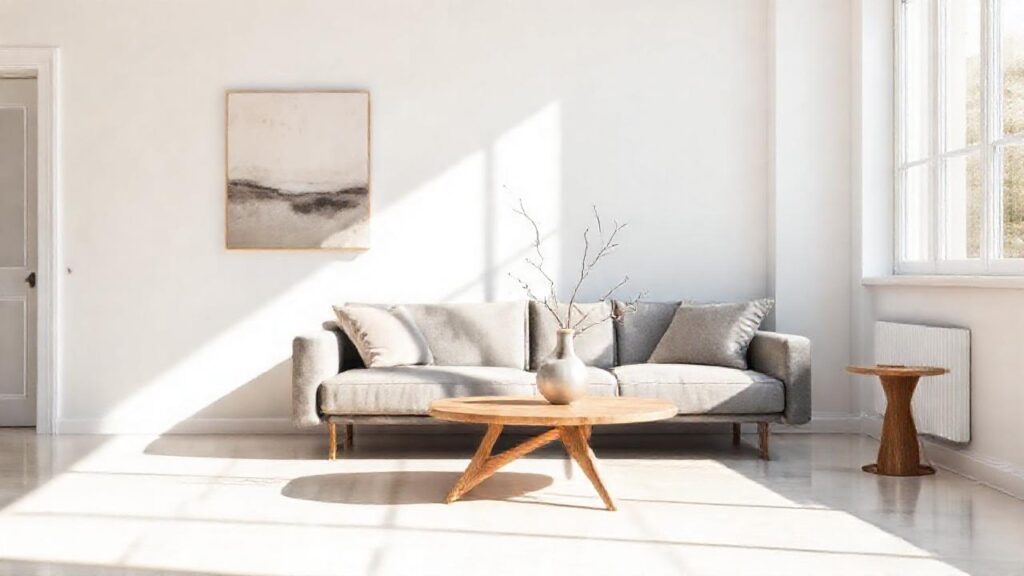
While often associated with starkness, minimalist design embraces a diverse mix of materials and textures to add warmth and depth. Natural materials like wood, stone, and linen bring an organic, tactile quality that prevents a space from feeling cold or sterile. The subtle variations in grain, the weave of fabric, or the cool smoothness of stone can create visual interest and a sense of groundedness.
The interplay of textures is vital. A smooth, polished concrete floor can be beautifully contrasted with a chunky knit throw or a matte ceramic vase. This layering of tactile experiences invites engagement with the space, making it feel more inviting and lived-in, even with a reduced number of objects.
Minimalist Design in Practice: Room by Room
The principles of minimalist design can be applied universally, from the most intimate bedroom to the most functional kitchen. The goal is to create environments that support well-being, productivity, and a sense of peace, regardless of the room’s purpose. This requires a thoughtful approach to each space, considering its unique function and the desired atmosphere.
The Minimalist Living Room
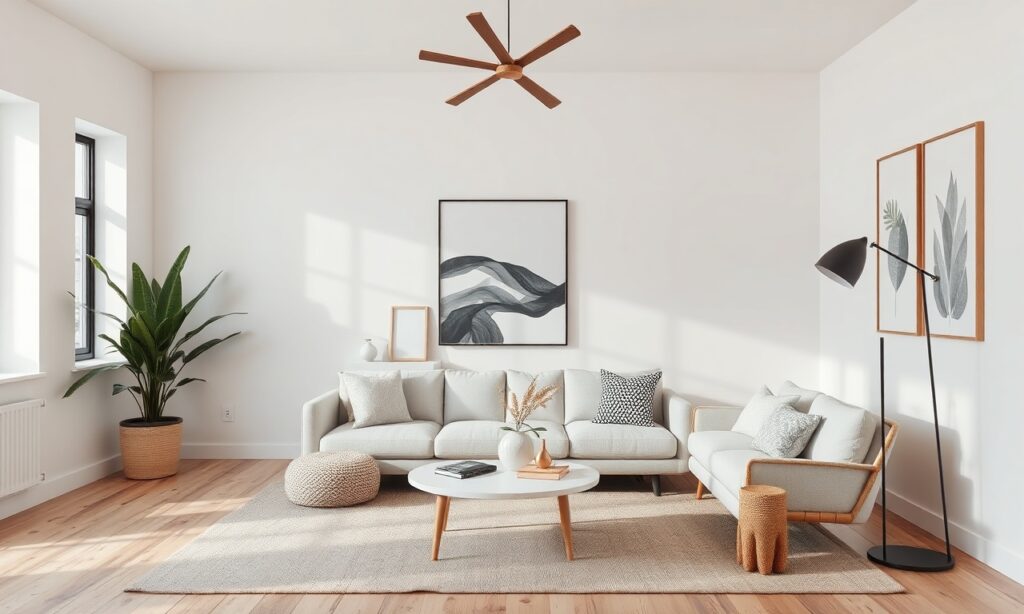
A minimalist living room is an invitation to relaxation and connection. The focus is on creating a comfortable, uncluttered sanctuary. Furniture should be functional and streamlined, with clean lines and neutral upholstery. Ample negative space around key pieces, like a sofa or a statement armchair, allows them to be appreciated. Decorative elements are kept to a minimum, perhaps a single piece of impactful art or a carefully chosen sculptural object. Lighting is often soft and layered, creating a warm and inviting ambiance.
The emphasis here is on creating an environment conducive to conversation, reading, or simply quiet contemplation. The absence of visual distractions allows occupants to fully engage with each other and their surroundings. A well-designed minimalist living room feels like an exhale, a space where the stresses of the outside world can begin to dissipate.
The Serene Minimalist Bedroom
The bedroom, more than any other room, should be a haven of tranquility. Minimalist design here translates to a serene, ordered space that promotes restful sleep. The bed is often the focal point, with simple, high-quality linens in calming colors. Storage is paramount, with built-in wardrobes and subtle, integrated nightstands to keep surfaces clear. Artwork, if any, should be subtle and calming. The absence of electronics and excessive decorative items is key to fostering an environment conducive to deep relaxation.
Consider the tactile experience: soft, natural fabrics for bedding and perhaps a natural fiber rug underfoot can enhance the sense of comfort and calm. The goal is to create a space that feels like a soft embrace, allowing you to unwind completely and wake up feeling refreshed.
The Functional Minimalist Kitchen
In the kitchen, minimalist design champions functionality and efficiency. Countertops are kept as clear as possible, with appliances integrated or stored away when not in use. Open shelving, if used, should be curated with essential, aesthetically pleasing items. Cabinetry often features flat fronts and minimal hardware. The color palette tends to be neutral, creating a sense of spaciousness and cleanliness.
The focus is on making the process of cooking and meal preparation as seamless and enjoyable as possible. By reducing visual clutter, the kitchen becomes a more enjoyable and productive space to work in. This approach also makes cleaning and maintenance far simpler, contributing to an overall sense of order.
The Streamlined Minimalist Bathroom
A minimalist bathroom should feel like a spa-like retreat. Clean lines, simple fixtures, and ample storage are essential to maintain an uncluttered appearance. Wall-mounted vanities can create a sense of openness. Natural materials like stone or wood can add warmth. Towels should be neatly folded or hung, and toiletries stored discreetly in drawers or closed cabinets. The emphasis is on creating a serene and hygienic environment for personal care.
The careful selection of fixtures—think a sleek, wall-mounted faucet or a frameless glass shower enclosure—contributes to the overall sense of clean simplicity. Even the choice of bath mats and accessories should align with the minimalist aesthetic, opting for quality and understated design.
Beyond Aesthetics: The Psychological Benefits of Minimalist Design
The impact of minimalist design extends far beyond mere visual appeal; it profoundly influences our psychological well-being. By reducing external stimuli and promoting order, it creates an environment that fosters mental clarity, reduces stress, and enhances focus. This is not simply about having less; it’s about making intentional choices that support a more peaceful and productive life.
Enhanced Focus and Productivity
A cluttered environment can be a significant drain on mental energy. Studies have indicated that visual clutter competes for our attention, making it harder to concentrate on tasks. Research suggests that excessive stimuli in a visual field can decrease performance on attention-demanding tasks. By clearing away distractions, minimalist design allows the mind to settle. This can lead to improved concentration, enhanced problem-solving abilities, and ultimately, greater productivity in both personal and professional endeavors. The intentionality of minimalist design means that everything present has a purpose, reducing the cognitive load associated with processing unnecessary information.
Reduced Stress and Anxiety
The constant visual noise of a cluttered home can contribute to feelings of overwhelm and anxiety. Some research has found that individuals who describe their homes as “cluttered” or “full of unfinished projects” have higher levels of stress hormones. Conversely, those who describe their homes as “restful” and “restorative” have lower levels. Minimalist design, by creating an ordered and calm environment, actively works to reduce these stress triggers. The sense of control over one’s surroundings can be incredibly empowering and contribute to a greater sense of peace.
Cultivating Mindfulness and Presence
Minimalist design encourages a more mindful approach to living. When surrounded by fewer possessions, we become more aware of the items we do have and their true value. This can foster a deeper appreciation for simple pleasures and a greater sense of presence in the moment. The intentionality behind each choice—why an object is present, what purpose it serves—promotes a more conscious engagement with our environment. This heightened awareness can extend to other areas of life, fostering a more deliberate and fulfilling existence.
Implementing Minimalist Design: A Step-by-Step Approach
Adopting minimalist design is a journey, not a destination, and it can be approached in stages to make the transition manageable and enjoyable. The key is consistency and a willingness to adapt the principles to your unique lifestyle and needs.
Step 1: Assess Your Space and Needs
Begin by critically evaluating each area of your home. What is the primary function of this space? What items are essential for that function? What items are merely taking up space or causing visual clutter? Take photographs or make notes to help you see your space objectively. Understanding the intended use of each room is fundamental to making informed decisions about what to keep.
Step 2: The Decluttering Process
As discussed, this is foundational. Work room by room, or category by category (e.g., books, clothing). Be honest about what you use, what you love, and what you truly need. Create piles for keeping, donating, selling, and discarding. The process can be emotional, so be patient with yourself. Consider the “one in, one out” rule for new acquisitions to maintain balance moving forward.
Step 3: Define Your Aesthetic
Minimalism is not one-size-fits-all. Explore different styles within minimalism—from Scandinavian simplicity to Japandi fusion. Identify color palettes, materials, and furniture styles that resonate with you and create the desired atmosphere. Pinterest and design magazines can be valuable resources for inspiration.
Step 4: Strategic Placement and Organization
Once you’ve decluttered, focus on how you arrange the remaining items. Utilize smart storage solutions that are both functional and aesthetically pleasing. Ensure ample negative space. Group similar items together. The goal is to create a sense of order and flow that makes the space easy to navigate and maintain.
Step 5: Conscious Consumption
Moving forward, be mindful of new purchases. Before bringing anything new into your home, ask yourself if it genuinely serves a purpose, if you love it, and if it aligns with your minimalist aesthetic. This conscious consumption is key to maintaining a minimalist lifestyle long-term.
The Future of Minimalist Design
As our world becomes increasingly complex and digitally saturated, the appeal of minimalist design is likely to grow. Its emphasis on intentionality, sustainability, and well-being offers a powerful counterpoint to consumerism and digital overload. We are seeing a rise in “mindful minimalism,” which integrates design principles with a focus on mental health and environmental consciousness.
The principles of minimalist design are adaptable and timeless, resonating with a growing desire for authenticity, simplicity, and a deeper connection to our surroundings. It’s not a fleeting trend, but a philosophy that offers enduring value in creating spaces that are not only beautiful but also profoundly supportive of a balanced and fulfilling life.
Frequently Asked Questions
What is the fundamental difference between minimalism and sparseness?
Sparseness can sometimes imply a lack of intention or comfort, simply resulting in empty spaces. Minimalism, conversely, is a highly intentional philosophy. It involves a deliberate reduction of elements to their essential forms, prioritizing functionality, quality, and personal meaning. Every item present in a minimalist space has a purpose and contributes to the overall harmony and aesthetic.
Is minimalist design only for modern homes?
Absolutely not. While often associated with modern aesthetics, the principles of minimalist design can be adapted to virtually any architectural style. Whether you have a Victorian, a farmhouse, or a contemporary apartment, you can apply the core tenets of simplicity, functionality, and intentionality to create a calmer, more ordered space. It’s about the *approach* to design, not a rigid adherence to a specific look.
How can I start decluttering without feeling overwhelmed?
The key is to break it down into manageable steps. Start with a single small area, like a drawer or a shelf, or focus on one category of items (e.g., books). Set a timer for 15-30 minutes and tackle that small task. Celebrate small victories. Consider the “one in, one out” rule for new purchases. Remember that decluttering is a process, and it’s okay to take your time.
Does minimalist design mean I can’t have any decorations?
Not at all. Minimalist design is about intentionality, not deprivation. Decorations are welcome, but they should be carefully chosen and serve a purpose, whether that’s aesthetic beauty, sentimental value, or a functional role. A single, impactful piece of art, a thoughtfully arranged vase, or a cherished family heirloom can add personality and warmth without creating clutter. It’s about quality over quantity and ensuring each decorative item enhances, rather than detracts from, the overall sense of calm and order.
Final Recommendations
Embracing minimalist design is an invitation to cultivate a life of greater intention, clarity, and peace. It’s a conscious decision to surround yourself with what truly matters, to let go of the superfluous, and to create spaces that nurture your well-being. Start small, be patient with yourself, and remember that the journey towards a clearer space is ultimately a journey towards a clearer mind. The transformation is not just in your surroundings, but within you.
See also: Minimalist Design