
The Illusion of Effortless Style: Unpacking the Art of Interior Design
The most captivating interiors often feel as though they materialized organically, a seamless extension of the inhabitants’ personalities. This perceived effortlessness, however, belies a profound understanding of principles, psychology, and meticulous planning. Interior Design is not merely about placing furniture; it is the sophisticated choreography of space, light, color, and texture to evoke specific emotions and enhance functionality. Many assume it’s an innate talent, a gift bestowed upon a select few. Yet, the reality is far more accessible. With a foundational grasp of its core tenets, anyone can cultivate the ability to create environments that are not only aesthetically pleasing but also deeply resonant and supremely livable.
- The Illusion of Effortless Style: Unpacking the Art of Interior Design
- The Foundation of a Stellar Interior Design: Understanding Space and Function
- Color and Light: The Emotional Architects of Your Interior
- Texture and Materiality: Adding Depth and Tactile Appeal
- The Psychology of Furnishings: Selecting Pieces with Purpose
- Bringing It All Together: The Step-by-Step Process to Stunning Interiors
- Frequently Asked Questions
- What is the most crucial first step in any Interior Design project?
- How important is natural light in Interior Design?
- Can I mix different interior design styles in one room?
- What are some common mistakes beginners make in Interior Design?
- How can I make a small room feel larger with Interior Design?
- Final Recommendations: Cultivating Your Personal Sanctuary
Wikipedia: Contents — Wikipedia
When it comes to Interior Design, This guide demystifies the process, offering an expert perspective grounded in practical application and an understanding of how spaces truly impact our well-being.
Interior Design is, at its heart, about problem-solving with aesthetics. It’s about understanding how a room will be used, who will use it, and what emotional impact it should have. This multifaceted discipline requires a blend of artistic sensibility and practical knowledge, touching upon architecture, psychology, and even sociology. For instance, research suggests that specific color palettes can demonstrably influence mood and productivity, with blues and greens often fostering calmness and yellows stimulating creativity. Understanding such principles allows designers to move beyond mere decoration and into the realm of intentional environmental creation.
The true essence of Interior Design lies not in adornment, but in the deliberate shaping of human experience within a physical space.
In the context of Interior Design, The journey into creating stunning spaces begins with a fundamental shift in perspective. It’s about seeing a room not just as four walls and a floor, but as a canvas for narrative, a stage for daily life. This narrative can be bold and dramatic, serene and introspective, or energetic and convivial. The key is intentionality. Without a clear vision, even the most expensive furnishings can result in a chaotic and uninspired environment. This guide illuminates the path, providing the tools and insights necessary to transform your aspirations into tangible, beautiful realities.
The Foundation of a Stellar Interior Design: Understanding Space and Function
Before a single swatch of fabric is considered or a paint chip is chosen, the most critical element of Interior Design must be addressed: the space itself and its intended function. This involves a deep analysis of the existing architecture, the flow of movement within the area, and the practical needs of those who will inhabit it. Ignoring function in favor of pure aesthetics is a common pitfall that leads to beautiful rooms that are ultimately impractical. A stunning living room that is uncomfortable to sit in or a kitchen that is inefficient for cooking serves neither purpose effectively.
Around Interior Design, The concept of spatial planning is paramount. This involves understanding the dimensions of a room, the placement of windows and doors, and how natural light enters and moves through the space. Experts often speak of the “bones” of a room – its inherent architectural features that can be emphasized or subtly altered. For example, a room with low ceilings might benefit from vertical lines in decor and furniture placement to create an illusion of height, while a spacious room might require careful zoning to avoid feeling cavernous. The goal is to maximize the utility and appeal of every square foot.
Regarding Interior Design, Functionality dictates the layout and the selection of furniture. Consider a home office: its primary function is to facilitate focused work. Therefore, an ergonomic chair, ample desk space, and sufficient task lighting are non-negotiable. The aesthetic choices – the color of the walls, the type of artwork – should complement this primary function, creating an environment that is both conducive to productivity and pleasing to the eye. It’s about finding that delicate equilibrium where form and function are not in opposition, but in synergistic partnership. This approach ensures that a beautifully designed space is also a joy to live and work in.
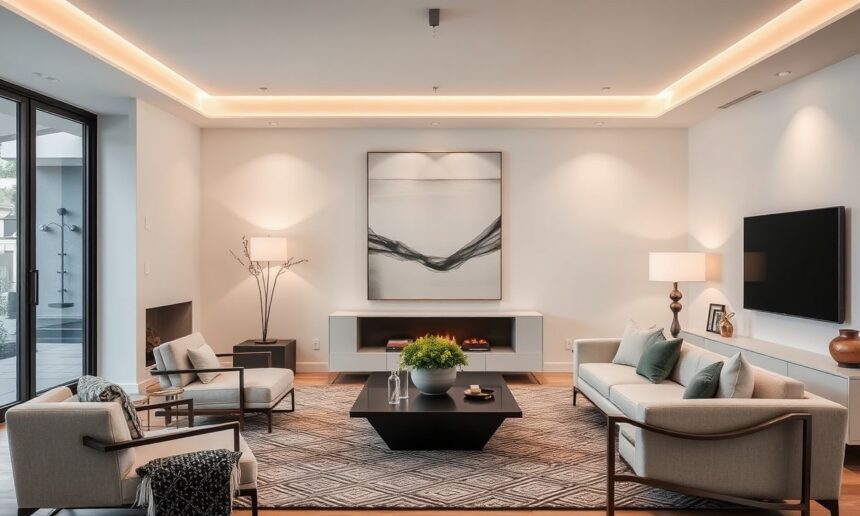
When it comes to Interior Design, 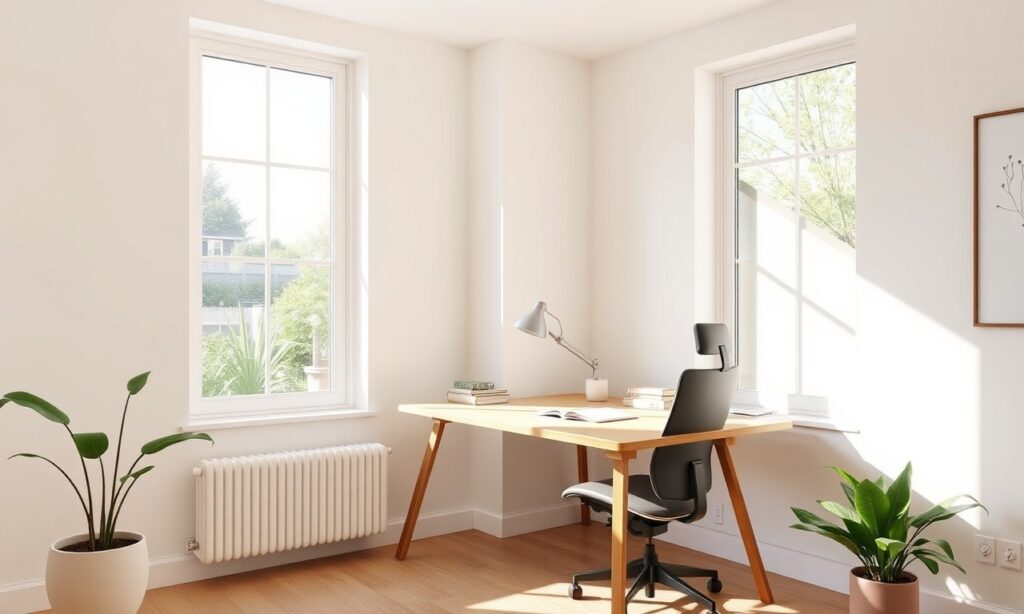
The Art of Flow: Navigating Movement Within a Space
In the context of Interior Design, Understanding traffic patterns is crucial in spatial planning. How will people move from the entrance to seating areas, or from the kitchen to the dining table? Clear and intuitive pathways prevent a room from feeling cluttered or awkward to navigate. This often involves strategically placing furniture to guide movement, rather than obstructing it. In smaller spaces, furniture that can serve multiple purposes or has a lighter visual weight can enhance the sense of openness and facilitate easier passage. For larger rooms, furniture arrangement can create distinct zones for different activities, such as a reading nook or a conversational area, further defining the space and improving its usability.
Color and Light: The Emotional Architects of Your Interior
Color and light are arguably the most potent tools in the Interior Design arsenal. They possess an uncanny ability to transform the mood, perceived size, and overall character of a space. These elements are not merely decorative; they are deeply psychological and can profoundly influence how we feel and interact within our homes. Mastering their interplay is key to achieving truly stunning and harmonious interiors.
Around Interior Design, Color theory is a vast and fascinating subject. Beyond simple preferences, colors evoke specific emotional responses. Warm colors like reds, oranges, and yellows tend to create a sense of energy, warmth, and intimacy, making them suitable for living areas or dining rooms where social interaction is paramount. Conversely, cool colors such as blues, greens, and purples are often associated with calmness, serenity, and spaciousness, making them excellent choices for bedrooms or bathrooms. The saturation and shade of a color also play a significant role. A deep, moody blue will create a different atmosphere than a pale, airy sky blue.
Regarding Interior Design, Understanding the psychological impact of color is not just about aesthetics; it’s about curating an environment that supports well-being and desired moods.
When it comes to Interior Design, Light, both natural and artificial, is the other critical component. Natural light is invaluable, capable of making spaces feel larger, more welcoming, and more dynamic. Maximizing its ingress through thoughtful window treatments and strategic furniture placement is a designer’s first priority. Artificial lighting, however, offers the opportunity for precise mood control. A layered lighting scheme, incorporating ambient (general illumination), task (focused lighting for activities), and accent (highlighting features) lights, allows for versatility. Dimmers are a small but powerful investment, enabling the transformation of a bright, functional space into a cozy, intimate retreat with the flip of a switch.
Harnessing the Power of Palettes: Strategic Color Choices
In the context of Interior Design, When selecting a color palette, consider the mood you wish to create. A monochromatic scheme, utilizing variations of a single color, can create a sophisticated and tranquil atmosphere. Analogous schemes, using colors adjacent to each other on the color wheel (e.g., blues and greens), offer harmony and a sense of calm. Complementary schemes, employing colors opposite each other (e.g., blue and orange), create high contrast and visual excitement, but must be used judiciously to avoid overwhelming the senses.
Texture and Materiality: Adding Depth and Tactile Appeal
While color and light command immediate attention, texture and materiality are the unsung heroes of sophisticated Interior Design. They add layers of depth, visual interest, and a crucial tactile dimension that engages the senses beyond sight. A room that relies solely on color and form can feel flat; it’s the introduction of varied textures that imbues a space with richness and a sense of lived-in luxury.
Around Interior Design, Think about the difference between smooth, polished surfaces and rough, natural materials. A plush velvet sofa invites touch and relaxation, contrasting beautifully with a sleek, cool marble coffee table. Natural elements like wood, stone, and woven fibers bring an organic warmth and grounding presence. The interplay of these varied textures can create a dynamic and inviting environment. For instance, a minimalist room might feature a rough-hewn wooden accent wall, a soft linen sofa, and metallic accents, offering a surprising amount of tactile interest despite a restrained color palette.
The careful selection of materials also speaks to durability, maintenance, and the overall feel of a space. High-traffic areas may benefit from robust materials like granite or quartz for countertops, while a bedroom might prioritize softer, more comforting fabrics for bedding and upholstery. The sheen of a material—matte, satin, or high-gloss—also affects how light interacts with it, contributing to the overall atmosphere. A high-gloss finish can reflect light and create a sense of spaciousness, while a matte finish absorbs light, lending a more subdued and sophisticated air.
Beyond the Visual: The Importance of Tactile Experience
Consider the subtle yet profound impact of tactile sensations. The smooth coolness of a ceramic tile, the rough grain of natural wood, the soft pile of a wool rug – these elements contribute to the overall sensory experience of a room. In today’s increasingly digital world, incorporating elements that engage our sense of touch can create a more grounded and human-centric environment. This is where the thoughtful integration of natural materials, artisanal crafts, and varied fabric finishes truly shines.
The Psychology of Furnishings: Selecting Pieces with Purpose
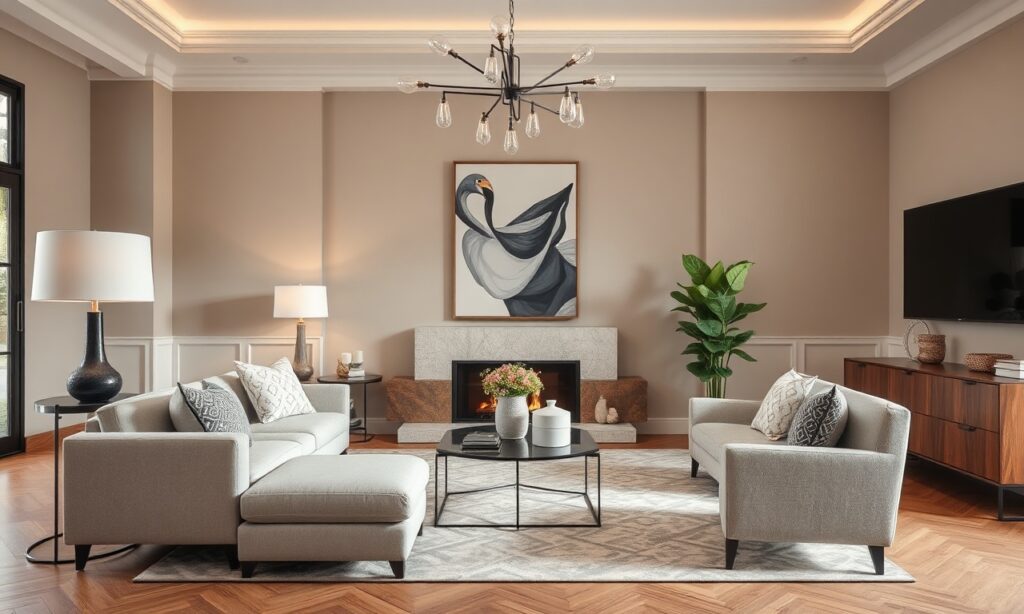
Furnishings are the functional and aesthetic anchors of any Interior Design. Their selection is not merely about acquiring items to fill a space; it’s about choosing pieces that serve a purpose, reflect personality, and contribute to the overall narrative of the room. The right furniture can define zones, enhance comfort, and become statement pieces that elevate the entire design.
Scale and proportion are paramount. A colossal sofa in a tiny apartment will overwhelm the space, while diminutive furniture in a grand room can feel lost and insignificant. Understanding the scale of your room and the intended use of each piece is essential. Measure carefully, consider negative space, and visualize how each item will fit within the existing architecture. Furniture that is too large can impede movement and make a room feel cramped, while furniture that is too small can lead to a sense of emptiness and lack of cohesion.
Beyond scale, consider the form and silhouette of your furniture. Do you prefer clean, modern lines, or the ornate curves of traditional design? The style of your furnishings should align with your overall aesthetic vision. However, even within a cohesive style, variety is key. Mixing different shapes and sizes of furniture can prevent a room from feeling too uniform or staged. For instance, pairing a structured, modern sofa with a more organically shaped armchair can create visual interest and a more dynamic composition.
The Power of Arrangement: Creating Harmony and Flow
The way furniture is arranged is as important as the pieces themselves. Think of it as creating conversation areas, defining functional zones, and ensuring smooth traffic flow. In a living room, for example, seating should be arranged to facilitate conversation, with pieces facing each other at a comfortable distance. Avoid pushing all furniture against the walls, which can create a dead zone in the center of the room. Instead, consider creating distinct groupings that define different uses for the space.
Bringing It All Together: The Step-by-Step Process to Stunning Interiors
Embarking on an Interior Design project can feel daunting, but a structured approach can transform it into an enjoyable and rewarding experience. By breaking down the process into manageable steps, you can ensure a cohesive and successful outcome that truly reflects your vision.
- Define Your Vision and Needs: Before anything else, clarify your goals for the space. What is its primary function? Who will be using it? What is the desired mood or atmosphere? Gather inspiration from magazines, Pinterest, or design blogs, but critically assess what resonates with your lifestyle and practical requirements. Document your needs, dislikes, and any must-have elements. This initial clarity is the bedrock of successful design.
- Assess the Space and Budget: Thoroughly measure your room, noting dimensions, window and door placements, and any architectural features. Simultaneously, establish a realistic budget. This will guide your choices in terms of materials, furnishings, and whether to hire professionals. Be honest about what you can afford, and allocate funds strategically to areas that will have the most impact.
- Create a Floor Plan and Layout: Based on your needs and measurements, sketch out potential furniture layouts. Use graph paper or design software to experiment with different arrangements. Consider traffic flow, the placement of key pieces, and how each zone will function. This is where you visualize the spatial dynamics and ensure practicality.
- Develop a Color and Material Palette: Select a cohesive color scheme and identify key materials and textures that will be used throughout the space. Obtain swatches and samples to see how they interact in the actual lighting of the room. This step ensures visual harmony and sets the aesthetic tone.
- Select Key Furniture Pieces: Begin sourcing furniture that fits your layout, style, and budget. Prioritize essential pieces like sofas, beds, and dining tables, ensuring they are appropriately scaled and functional. Don’t rush this process; quality and comfort are paramount for these foundational items.
- Incorporate Lighting Solutions: Plan your lighting strategy, considering ambient, task, and accent lighting. Choose fixtures that complement your design style and provide the necessary illumination for each area. Dimmers are highly recommended for flexibility.
- Add Layering Through Accessories and Decor: Once the main elements are in place, introduce accessories like rugs, curtains, artwork, and decorative objects. These layers add personality, texture, and polish to the design. Ensure these elements align with your overall palette and theme.
- Review and Refine: Step back and assess the completed space. Does it meet your initial vision? Is it functional and comfortable? Make any necessary adjustments to furniture placement, lighting, or accessories. Small tweaks can often make a significant difference.
Frequently Asked Questions
What is the most crucial first step in any Interior Design project?
The most crucial first step in any Interior Design project is to meticulously define your vision and practical needs for the space. This involves understanding its intended function, who will use it, the desired atmosphere, and any specific requirements. Without this foundational clarity, subsequent design choices can become unfocused, leading to potentially costly mistakes and an outcome that doesn’t truly serve its purpose or reflect the inhabitant’s lifestyle.
How important is natural light in Interior Design?
Natural light is exceptionally important in Interior Design. It can dramatically alter the perception of space, making rooms feel larger, more inviting, and more vibrant. Maximizing the ingress of natural light through strategic window treatments and furniture placement is a key objective for designers. It also has positive psychological effects, contributing to mood and well-being. While artificial lighting is essential for control and specific ambiance, it can never fully replicate the dynamic and beneficial qualities of natural light.
Can I mix different interior design styles in one room?
Yes, mixing different interior design styles can be highly effective and create a unique, personalized look, but it requires careful consideration. The key is to achieve a sense of cohesion rather than chaos. This can be done by selecting a dominant style and introducing elements from another in a harmonious way, or by finding common threads such as color palettes, material types, or recurring shapes that tie disparate elements together. It’s about curated eclecticism, not random accumulation.
What are some common mistakes beginners make in Interior Design?
Common mistakes beginners make include neglecting functional planning, misjudging scale and proportion, over-cluttering a space, failing to plan a layered lighting scheme, and not considering the flow of traffic. Another frequent error is selecting all furniture from a single set, which can lead to a monotonous look. Lastly, rushing the process without sufficient research or planning often results in dissatisfaction.
How can I make a small room feel larger with Interior Design?
To make a small room feel larger, employ strategies such as using a light and neutral color palette, maximizing natural light with sheer window treatments, incorporating mirrors to reflect light and space, selecting furniture with visible legs to create an illusion of openness, and utilizing vertical space for storage. Opting for multi-functional furniture and maintaining a clutter-free environment are also highly effective techniques.
Final Recommendations: Cultivating Your Personal Sanctuary
The journey of Interior Design is an ongoing exploration, a continuous refinement of the spaces we inhabit to better suit our lives and aspirations. It’s about more than just aesthetics; it’s about creating environments that nurture, inspire, and support our daily existence. Remember that your home is a reflection of you, and the most successful designs are those that are deeply personal and authentically expressed.
Don’t be afraid to experiment and evolve. Trends come and go, but a well-designed space has longevity because it is rooted in functionality, comfort, and personal meaning. Embrace the process, trust your instincts, and view your home as a living canvas. By understanding the core principles of Interior Design – from spatial planning and color theory to the subtle impact of texture and light – you are empowered to create spaces that are not just beautiful, but truly stunning and profoundly yours. The ultimate goal is to curate a sanctuary, a place where you feel most at home, most yourself, and most at peace.
See also: Interior Design