

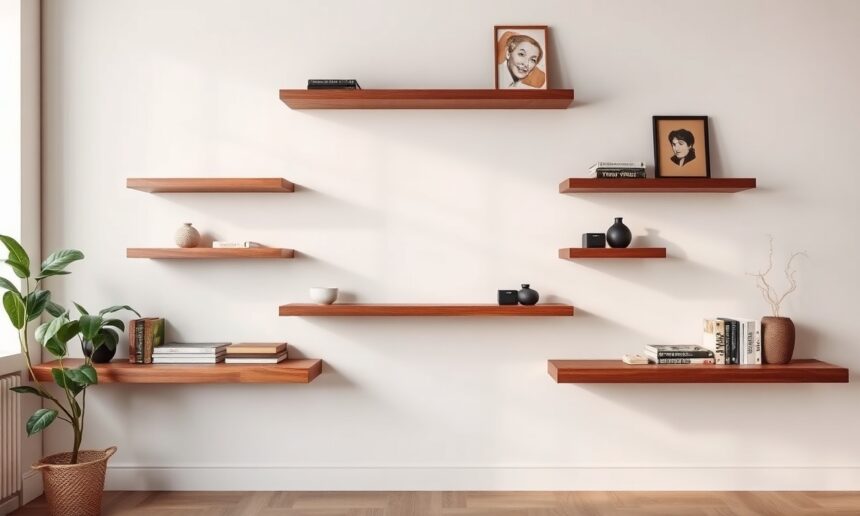
Have you ever looked at a blank wall and felt a pang of missed opportunity?
That expanse of plaster or paint, often overlooked, holds immense potential to redefine your living space, injecting both aesthetic appeal and practical utility. It’s a canvas waiting for a touch of ingenuity, a whisper of personality. For discerning homeowners and design enthusiasts, the solution often lies in a seemingly simple yet profoundly impactful architectural element: floating shelves. These minimalist marvels have transcended mere storage solutions to become statements of style, offering a clean, modern aesthetic that can dramatically alter the perception and functionality of any room.
- Have you ever looked at a blank wall and felt a pang of missed opportunity?
- Understanding the Fundamentals: What Exactly Are Floating Shelves?
- The Art of Installation: Securing Your Vision
- Styling Your Floating Shelves: Curating Your Narrative
- Troubleshooting Common Floating Shelf Challenges
- Frequently Asked Questions
- Are floating shelves strong enough for heavy items?
- How do I choose the right size floating shelf?
- Can I install floating shelves on a textured wall?
- What is the difference between a floating shelf and a regular shelf?
- Final Recommendations: Embracing the Floating Shelf Aesthetic
Wikipedia: Contents — Wikipedia
Floating shelves are more than just storage; they are a deliberate design choice that amplifies both form and function, creating visual lightness and curated displays.
The Allure of the Invisible Support
The magic of floating shelves lies in their discreet integration. Unlike traditional shelves with visible brackets, floating shelves appear to emerge directly from the wall, their support system ingeniously concealed within the shelf itself or the wall cavity. This illusion of weightlessness is precisely what grants them their unique charm. It allows for a streamlined, uncluttered look, making spaces feel larger and more airy. In an era where intentionality in design is paramount, floating shelves embody this principle by offering a polished, sophisticated solution for displaying cherished possessions, books, or essential items without the visual noise of conventional shelving.
Their adaptability spans across various decor styles, from the stark lines of modernism to the warm textures of bohemian interiors, proving their enduring appeal.
Floating shelves are the silent architects of visual spaciousness, allowing your curated items to command attention without the distraction of bulky hardware.
Key Takeaways
- Design Versatility: Floating shelves smoothly connect into diverse interior aesthetics, from minimalist to eclectic, offering a clean and modern look.
- Space Optimization: They provide crucial vertical storage without occupying floor space, making small rooms feel larger and more organized.
- Installation Precision: Proper installation is paramount for safety and longevity, requiring attention to wall type, load-bearing capacity, and appropriate hardware.
- Styling Mastery: Thoughtful arrangement of items on floating shelves can elevate decor, create focal points, and tell a personal story.
Understanding the Fundamentals: What Exactly Are Floating Shelves?
At their core, floating shelves are designed to appear unsupported. This is achieved through a clever mounting system, most commonly a metal bracket that is securely fastened to the wall’s studs or using heavy-duty anchors. The shelf itself then slides over this bracket, often featuring pre-drilled holes or a hollow core that encases the support. This hidden mechanism is the key differentiator, providing the visual effect of a shelf that is simply “floating” against the wall.
The primary benefit, beyond aesthetics, is the maximization of vertical space. In apartments, small homes, or even expansive rooms where floor space is at a premium, floating shelves offer a vital solution for organization and display. They can transform a bare wall into a functional and visually appealing zone, perfect for showcasing artwork, photographs, plants, or everyday essentials like kitchen spices or bathroom toiletries. Research suggests that a significant majority of homeowners cite “maximizing storage” as a primary motivation for home renovation projects, a goal perfectly addressed by the strategic deployment of floating shelves.
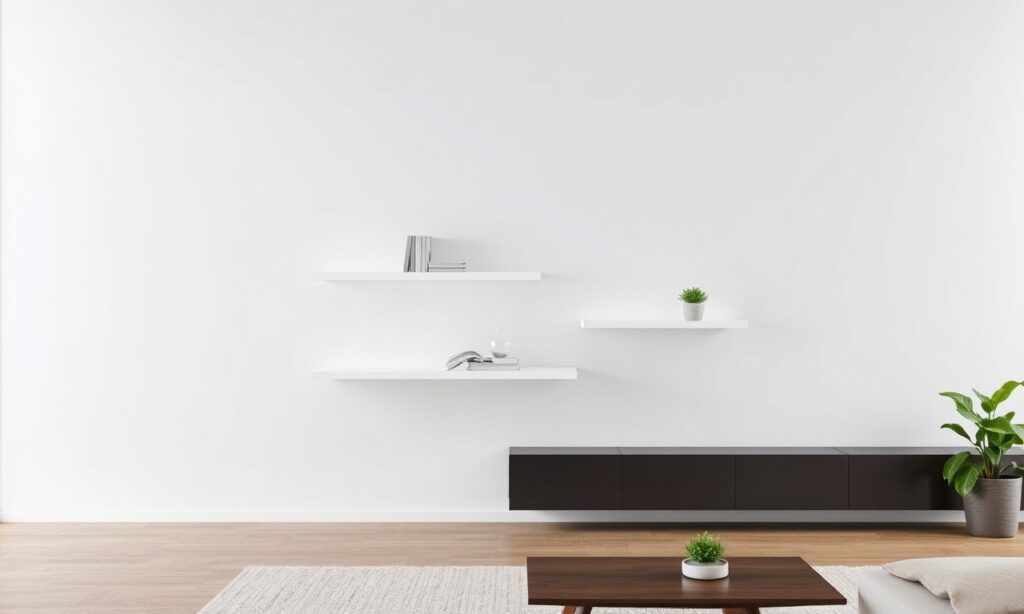
Materials and Construction: A Spectrum of Choices
The material of a floating shelf significantly impacts its look, durability, and weight-bearing capacity.
- Solid Wood: Perhaps the most classic and versatile option, solid wood shelves (like pine, oak, or walnut) offer natural beauty, warmth, and substantial strength. They can be stained or painted to match any decor. Their inherent density makes them excellent for supporting heavier items, provided they are properly mounted.
- MDF (Medium-Density Fiberboard): A more budget-friendly option, MDF shelves are often veneered or laminated to mimic the look of real wood or other finishes. While less durable than solid wood and susceptible to moisture damage, they are lightweight and easy to work with, making them suitable for lighter decorative items.
- Metal: Industrial or contemporary designs often feature metal floating shelves, typically made from steel or aluminum. These are exceptionally strong and durable, ideal for heavy loads, and can provide a sleek, modern aesthetic.
- Acrylic/Glass: For a truly minimalist or ethereal look, transparent acrylic or glass shelves offer a sense of extreme lightness. However, their load-bearing capacity is generally limited, and they require meticulous cleaning to maintain their pristine appearance.
The construction method also plays a role. Some shelves come as a complete unit with an integrated bracket, while others are sold as a shelf board with a separate, compatible mounting bracket. Understanding the weight rating of both the shelf and the bracket is crucial for safe and effective installation.
The Art of Installation: Securing Your Vision
The perceived simplicity of floating shelves belies the critical importance of meticulous installation. A poorly installed shelf is not only an eyesore but a potential safety hazard, capable of damaging walls and causing injury. The process requires careful planning and execution, tailored to the specific type of wall you are working with.
Wall Types and Mounting Strategies
The most significant factor dictating installation method is the wall material.
- Stud Mounting: This is the gold standard for ensuring maximum load-bearing capacity. In drywall construction, locating wall studs (the vertical wooden or metal beams behind the drywall) is paramount. The floating shelf bracket is then screwed directly into these studs. Stud finders are indispensable tools for this process. According to industry standards, a properly stud-mounted shelf can typically support a significant amount of weight, often exceeding 50 pounds, depending on the shelf and bracket quality.
- Drywall Anchors: If studs are not conveniently located for your desired shelf placement, heavy-duty drywall anchors become necessary. It’s crucial to use anchors specifically designed for the anticipated load. Toggle bolts and molly bolts are generally more robust than basic plastic anchors and are recommended for anything beyond very light decorative items. However, even the best drywall anchors have limitations, and their load capacity should never be underestimated.
- Masonry Walls (Brick, Concrete): Installation on these surfaces requires specialized masonry drill bits and appropriate anchors (e.g., concrete screws or sleeve anchors). The bracket is secured by drilling into the masonry and inserting the anchor, which then expands to create a firm hold.
The Installation Process: A Step-by-Step Overview
While specific instructions vary by shelf and bracket type, a general process applies:
- Plan Placement: Determine the exact location and height of your shelf. Use a level to ensure it will be perfectly horizontal. Mark the desired position on the wall.
- Locate Studs (if applicable): Use a stud finder to locate the nearest wall studs. Mark their centers.
- Position the Bracket: Hold the mounting bracket against the wall at your marked position, ensuring it aligns with the stud marks or your planned anchor locations. Use a level to confirm it’s perfectly straight.
- Mark Drill Holes: Mark the exact spots where you will drill pilot holes for screws or anchors.
- Drill Pilot Holes: Drill pilot holes for your screws or anchors. The size of the drill bit should correspond to the manufacturer’s recommendations for your chosen hardware.
- Install Anchors (if necessary): If not mounting directly into studs, insert your heavy-duty drywall anchors into the pilot holes.
- Secure the Bracket: Align the bracket with the pilot holes/anchors and securely fasten it to the wall using the appropriate screws. Ensure the bracket is firmly attached and does not wiggle.
- Slide the Shelf: Carefully slide the floating shelf onto the bracket. Some shelves may have small screws on the underside to further secure them to the bracket, preventing them from accidentally sliding off.
- Test Stability: Gently apply pressure to the shelf to ensure it is stable and securely mounted before placing any items on it.
Styling Your Floating Shelves: Curating Your Narrative
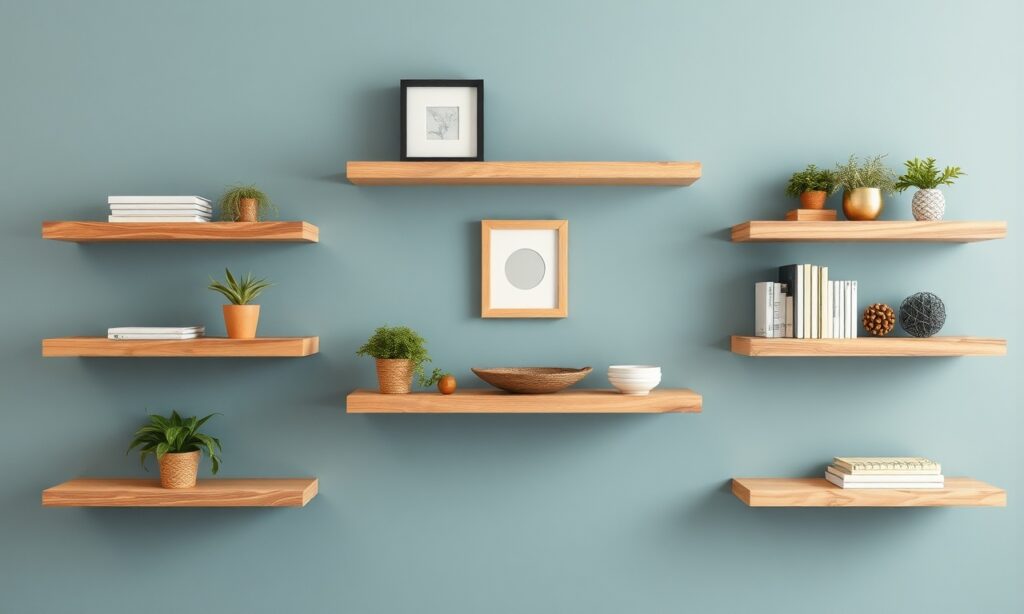
Once securely installed, the true artistry of floating shelves comes to life in their styling. This is where you transform blank space into a personalized gallery, a functional display, or a captivating focal point. The key is balance, intention, and a touch of personal flair.
Principles of Effective Shelf Styling
Effective styling goes beyond simply placing items on a shelf. It involves creating visual harmony and interest.
- Vary Height and Depth: Combine items of different heights and depths to create visual dynamism. Taller objects like vases or books can anchor one end, while smaller decorative pieces fill the gaps.
- Group Items in Threes or Fives: The rule of odds often applies in design. Grouping items in asymmetrical clusters of three or five can create a more pleasing and natural arrangement than even numbers.
- Negative Space is Your Friend: Don’t overcrowd the shelves. Allow for “breathing room” around your items. Negative space allows each object to be appreciated individually and prevents the shelf from looking cluttered.
- Balance Colors and Textures: Distribute colors and textures thoughtfully across the shelf. If you have a bold item, balance it with more subdued pieces. Mix smooth finishes with rough textures for added tactile appeal.
- Create a Focal Point: Designate one or two items as the stars of the shelf. These could be a striking piece of art, a unique sculpture, or a particularly cherished photograph.
- Consider the Shelf’s Purpose: Is it for decorative items, books, plants, or practical storage? The function should inform the form. For instance, books can be arranged vertically or horizontally, interspersed with smaller decorative elements.
Beyond Decor: Functional Floating Shelves
Floating shelves aren’t solely for display. They can be ingeniously integrated into functional areas of the home, offering practical solutions without compromising style.
- Kitchen: Install floating shelves above a countertop for easy access to frequently used spices, oils, or even cookbooks. They can also serve as a minimalist alternative to upper cabinets for displaying attractive dinnerware or glassware.
- Home Office: Create a streamlined workspace by mounting floating shelves for essential office supplies, stationery, or even a printer. This keeps your desk clear and organized.
- Bathroom: Use them to store toiletries, towels, or decorative accents. Ensure materials are moisture-resistant.
- Entryway: A floating shelf near the door can hold keys, mail, or a small decorative item, offering a welcoming touch.
Troubleshooting Common Floating Shelf Challenges
Despite careful planning, challenges can arise. Understanding common issues and their solutions can save time and frustration.
Sagging or Uneven Shelves
This is almost always a symptom of inadequate support or overloading.
- Cause: Insufficiently strong bracket, bracket not securely fastened to studs, or exceeding the shelf’s weight capacity.
- Solution: Remove items from the shelf. Re-examine the bracket’s attachment to the wall. If it’s loose, re-secure it, ideally into studs. If the shelf itself is sagging, it may be made of a material not suited for the load or may have warped. In such cases, consider a stronger bracket or a shelf made of a more robust material like solid wood or metal.
Difficulty Finding Studs
Modern construction can sometimes make stud finding a challenge.
- Cause: Inconsistent stud spacing, metal studs, or poor quality stud finder.
- Solution: Try a different type of stud finder (e.g., magnetic versus electronic). Carefully tap the wall; a solid sound often indicates a stud, while a hollow sound suggests empty space. If all else fails, and you are confident in your ability to use them correctly, opt for the strongest possible drywall anchors rated for significantly more weight than you intend to place on the shelf. However, this should always be a secondary option to stud mounting.
Visible Bracket Issues
Sometimes, even with floating shelves, a portion of the bracket might be visible or misaligned.
- Cause: Shelf not fully seated on the bracket, bracket not installed perfectly level, or the shelf’s internal cavity not deep enough.
- Solution: Ensure the shelf is pushed fully onto the bracket. Double-check that the bracket itself is perfectly level. If the shelf design has a limited cavity depth, you may need to ensure you’re using the correctly sized bracket. In some cases, minor adjustments to the bracket’s position (if it’s not yet permanently fixed) might be necessary.
Frequently Asked Questions
Are floating shelves strong enough for heavy items?
The strength of floating shelves depends heavily on the material of the shelf itself, the quality and type of the mounting bracket, and, critically, how it is installed. Shelves made from solid wood or metal, mounted directly into wall studs with robust brackets, can often support considerable weight, sometimes exceeding 50-100 pounds. However, shelves made from MDF or particleboard, or those mounted using only drywall anchors, have significantly lower weight limits. Always check the manufacturer’s specifications for both the shelf and the bracket and prioritize stud mounting for heavier loads.
How do I choose the right size floating shelf?
Consider the scale of your room and the wall space available. A very long shelf might overwhelm a small wall, while a tiny shelf can look lost on a large expanse. Think about what you intend to place on the shelf; this will dictate both the required length and depth. For instance, displaying larger books or decorative objects will necessitate a deeper shelf than one intended for small trinkets. Proportionality is key to achieving a balanced aesthetic.
Can I install floating shelves on a textured wall?
Yes, but it requires extra care. Textured walls, like stucco or heavily embossed wallpaper, can make it more challenging to achieve a flush fit and secure mounting. Ensure your drill bit is appropriate for the texture. For mounting brackets, it’s often best to find a perfectly flat section of the wall if possible, or to use longer screws and robust anchors that can bridge minor imperfections in the texture to reach the wall studs or provide a solid grip. A good level is absolutely essential to counteract any visual distortion caused by the texture.
What is the difference between a floating shelf and a regular shelf?
The primary difference lies in the visible hardware. Regular shelves typically have brackets or supports that are clearly visible beneath or beside the shelf. Floating shelves, on the other hand, conceal their mounting hardware within the shelf itself or the wall, creating the illusion that the shelf is suspended unsupported. This results in a much cleaner, more minimalist aesthetic.
Final Recommendations: Embracing the Floating Shelf Aesthetic
Floating shelves represent a sophisticated approach to interior design and organization. They offer a harmonious blend of form and function, allowing for personalized displays that enhance a room’s character while providing valuable vertical storage. The key to unlocking their full potential lies in thoughtful selection, meticulous installation, and judicious styling.
When embarking on a floating shelf project, remember that quality materials and proper installation are non-negotiable. Invest in sturdy brackets and shelves that match your intended use. Prioritize mounting into wall studs whenever possible, as this provides the most secure and weight-bearing foundation. Don’t shy away from seeking professional help if you are uncertain about any aspect of the installation process; a well-installed shelf is a long-term asset.
Beyond the technicalities, embrace the creative freedom that floating shelves offer. They are your opportunity to curate a visual narrative on your walls, to showcase your personality, and to imbue your living spaces with a sense of intentional elegance. Whether you’re creating a minimalist display in your living room, an organized hub in your home office, or a practical solution in your kitchen, floating shelves are an expert choice for transforming any space with polished style and smart functionality.
See also: Floating Shelves